Thoracic Herniated Disc: Symptoms, Causes and Treatment Without Surgery
Do you experience pain between your shoulder blades, discomfort around your chest or stiffness in your upper back? Does the pain become more noticeable when you twist your body, take a deep breath or remain in one position for too long?
These symptoms can have several causes. One possible explanation is a thoracic herniated disc, also known as thoracic disc herniation.
A thoracic herniated disc occurs when part of an intervertebral disc extends beyond its normal position. Depending on its location, it may irritate nearby nerves or, in more serious cases, compress the spinal cord.
Thoracic disc herniations are much less common than those in the cervical or lumbar spine. This is partly because the thoracic region is less mobile and receives additional stability from the rib cage.
Many thoracic disc herniations cause no symptoms and are discovered incidentally during magnetic resonance imaging (MRI).
Others may cause upper back pain, discomfort extending around the ribs, altered sensation or movement-related limitations.
According to the National Library of Medicine's overview of thoracic disc disorders, symptoms depend on the location of the disc herniation and whether nearby neurological structures are affected.
An important point: finding a herniated disc on an MRI does not automatically mean that it is responsible for your pain. An accurate diagnosis requires consideration of symptoms, physical examination findings and medical imaging.
At Dr. Bubnovsky Center in Riga, we use kinesitherapy — a movement-based rehabilitation approach focused on improving muscle function, mobility and tolerance for everyday activities.
What Is a Thoracic Herniated Disc?
The spine consists of vertebrae separated by intervertebral discs.
These discs act as cushions between the bones of the spine, helping absorb mechanical forces and allowing movement.
Each intervertebral disc contains a softer inner region surrounded by a tougher outer layer.
A disc herniation occurs when disc material extends beyond its normal boundaries, sometimes through a weakened or damaged portion of the outer layer.
The thoracic spine consists of 12 vertebrae, located between the cervical and lumbar regions.
Because the ribs attach to this part of the spine, the thoracic region is generally less mobile than the neck or lower back.
However, disc herniation can still occur.
When a thoracic disc presses on a nerve root, it may cause pain or altered sensation along the path of the affected nerve.
If the spinal cord becomes compressed, more serious neurological symptoms may develop.
This distinction is important because treatment depends not only on pain intensity but also on whether neurological function is affected.
What Are the Symptoms of a Thoracic Herniated Disc?
Symptoms vary depending on the location and size of the herniation and its relationship to nearby nerves and the spinal cord.
Possible symptoms include:
- pain between the shoulder blades;
- discomfort in the middle or upper back;
- pain spreading around the chest or along the ribs;
- pain when twisting or bending the trunk;
- increased discomfort with deep breathing, coughing or sneezing;
- stiffness in the thoracic spine;
- muscle tension;
- tingling or numbness around the chest or trunk.
Pain Between the Shoulder Blades
One possible symptom is pain in the middle of the back, particularly between the shoulder blades.
The discomfort may be persistent or become more noticeable during certain movements.
However, pain in this region is not specific to disc herniation. Muscular, joint-related and other medical conditions can produce similar symptoms.
Pain Around the Chest and Ribs
A thoracic disc herniation may irritate a spinal nerve root, causing pain that travels around the chest wall.
This is sometimes called thoracic radiculopathy.
Patients may describe the sensation as burning, sharp, shooting or band-like pain along the ribs.
Because chest discomfort can have many causes, it is important not to assume that the spine is responsible without appropriate medical assessment.
Stiffness and Restricted Movement
Some patients experience stiffness in the middle of the back or discomfort when rotating the trunk.
Persistent pain may also lead to reduced physical activity and increased muscle tension.
Numbness and Tingling
When sensory nerves are affected, patients may experience tingling, burning or reduced sensation in part of the chest or trunk.
Weakness and Changes in Walking
In more serious cases, a thoracic disc herniation may compress the spinal cord.
Possible signs include:
- weakness in the legs;
- difficulty walking;
- problems with balance;
- increased muscle stiffness;
- changes in sensation below the affected spinal level.
These symptoms require prompt medical assessment.
When Can Chest or Back Pain Be an Emergency?
Not all chest or upper back pain is caused by a spinal condition.
Pain in this area can also be associated with the heart, lungs, blood vessels and other internal organs.
Seek emergency medical help if chest or back pain is sudden or severe, particularly when accompanied by:
- shortness of breath;
- chest pressure or tightness;
- cold sweats;
- fainting or severe weakness;
- pain spreading to the arm, jaw or other areas.
In addition, new walking difficulties, progressive leg weakness or changes in bladder or bowel control may indicate significant spinal cord involvement and require urgent medical assessment.
Do not attempt to treat these symptoms with exercises before obtaining medical care.
What Causes Thoracic Disc Herniation?
A thoracic herniated disc may develop through a combination of structural, genetic and mechanical factors.
Age-Related Disc Changes
As people age, intervertebral discs gradually undergo structural and metabolic changes.
They may lose some of their flexibility and ability to tolerate mechanical forces.
These changes can contribute to disc degeneration and herniation.
Genetic Predisposition
Inherited factors influence the structure and characteristics of intervertebral discs.
Some individuals may be more susceptible to degenerative disc changes than others.
Previous Spine Injuries
Trauma to the spine may damage disc structures and contribute to herniation.
However, many disc herniations develop without a specific injury.
Repetitive Mechanical Stress
Repeated substantial loading, particularly in combination with other risk factors, may contribute to disc problems.
The relationship between physical activity and disc degeneration is complex. Ordinary movement and appropriately selected exercise should not automatically be viewed as harmful.
Reduced Physical Activity
A sedentary lifestyle may contribute to reduced muscle strength, endurance and coordination.
This can affect the ability to tolerate everyday physical demands and may contribute to musculoskeletal pain.
However, weak back muscles are not a proven sole or direct cause of thoracic disc herniation.
The American Association of Neurological Surgeons describes disc degeneration, injuries and individual predisposition among the factors associated with disc herniation.
Why Are Back Muscles Important?
The muscles of the back, abdomen and trunk help stabilise the spine, control movement and manage physical loads.
The deep spinal muscles work together with larger muscle groups to support everyday activities.
When physical activity is limited for a long time, muscle strength and endurance may decrease.
This can make walking, lifting, working and maintaining comfortable movement more difficult.
Appropriately selected exercises may help:
- improve back muscle strength;
- develop muscular endurance;
- improve coordination;
- maintain joint and spinal mobility;
- increase tolerance for physical activity;
- reduce movement-related functional limitations.
This is one reason why the Bubnovsky rehabilitation approach places particular emphasis on restoring muscular function.
However, strengthening the muscles does not mechanically return a herniated disc to its original position.
How Is Thoracic Disc Herniation Diagnosed?
An accurate diagnosis begins with a medical assessment.
The specialist considers symptoms, medical history, movement limitations and possible neurological findings.
An examination may include:
- assessment of pain location and intensity;
- examination of spinal mobility;
- evaluation of muscle strength;
- assessment of sensation;
- testing of reflexes when appropriate;
- evaluation of balance and walking;
- consideration of other possible causes of symptoms.
Magnetic Resonance Imaging (MRI)
MRI is an important imaging method for evaluating thoracic disc herniations.
It allows doctors to assess the intervertebral discs, spinal cord and surrounding neural structures.
MRI can help identify whether a herniation is causing compression of the spinal cord or nerve roots.
Computed Tomography (CT)
CT may be used when detailed information about bony structures or calcified disc material is required.
In selected cases, additional imaging may be necessary.
Why Imaging Alone Is Not Enough
Not every disc herniation visible on MRI is responsible for symptoms.
Some people have disc abnormalities without experiencing pain or neurological problems.
Therefore, treatment decisions should be based on the relationship between imaging findings, symptoms and clinical examination results.
The NCBI review of Thoracic Discogenic Syndrome discusses MRI as a key imaging method and emphasises the importance of clinical assessment.
Can a Thoracic Herniated Disc Be Treated Without Surgery?
In many cases, yes.
Conservative treatment is often considered first when a patient has no progressive neurological deficits or significant spinal cord compression requiring surgical assessment.
Treatment may include:
- appropriate physical rehabilitation;
- individually selected therapeutic exercises;
- gradual muscle strengthening;
- adjustments to everyday physical activities;
- education about movement and physical loading;
- medication for symptom relief when medically appropriate;
- monitoring of symptoms and neurological function.
The main goals are to reduce pain, improve function and help the patient return to everyday activities.
The medical review Thoracic Discogenic Syndrome describes conservative care, including rehabilitation, muscle strengthening and improvements in body mechanics, as an important initial approach.
However, non-surgical treatment cannot guarantee that the disc herniation will disappear.
When Might Surgery Be Necessary?
Surgery may be considered when conservative treatment does not provide sufficient improvement or when neurological complications occur.
Possible reasons for surgical assessment include:
- progressive neurological weakness;
- worsening walking difficulties;
- significant spinal cord compression;
- signs of thoracic myelopathy;
- persistent severe symptoms despite appropriate conservative treatment.
A review published in EFORT Open Reviews, Herniated discs: when is surgery necessary? discusses surgical indications in thoracic disc herniation, including neurological deterioration and certain forms of spinal cord compression.
The presence of a thoracic herniated disc alone is not an automatic indication for surgery.
However, when spinal cord function is at risk, rehabilitation must not delay necessary medical or surgical evaluation.
Kinesitherapy Using the Bubnovsky Method
At Dr. Bubnovsky Center in Riga, kinesitherapy is used to help improve movement and physical function through individually tailored therapeutic exercises.
The approach focuses on the patient's active participation in rehabilitation.
Rather than relying exclusively on passive procedures, the programme aims to develop muscular strength, endurance and movement coordination.
Special attention may be given to:
- deep back muscles;
- muscles contributing to spinal stability;
- shoulder girdle muscles;
- abdominal and trunk muscles;
- coordinated movement of the spine and surrounding joints.
The main goals of kinesitherapy are to:
- Reduce pain-related movement limitations and muscle tension.
- Improve muscular strength and endurance.
- Improve functional mobility of the thoracic region.
- Gradually increase tolerance for physical activity.
- Develop coordination and movement control.
- Help patients return to normal everyday activities.
Each programme is tailored to the patient's symptoms, clinical findings and physical abilities.
Research supports exercise-based rehabilitation as part of conservative management for suitable patients with spinal disorders. However, evidence for general exercise therapy should not be interpreted as proof that a particular proprietary exercise system is superior to other appropriate rehabilitation approaches.
How Does Rehabilitation Begin?
Initial Consultation and Functional Assessment
Before starting kinesitherapy, specialists at Dr. Bubnovsky Center assess the patient's condition.
The consultation may include:
- discussing the nature and location of pain;
- reviewing symptoms and medical history;
- assessing spinal and joint mobility;
- evaluating muscle function;
- identifying movement limitations;
- assessing exercise tolerance;
- reviewing available MRI or other medical examination results.
A myofascial assessment may also be performed to evaluate muscle-related functional limitations.
Based on the findings, the specialist develops an individual exercise programme.
Importantly, functional testing does not replace neurological examination or medical imaging when spinal cord compression is suspected.
Exercises on the Bubnovsky Multifunctional Trainer (MTB)
An important part of the rehabilitation programme may involve exercises using the Bubnovsky Multifunctional Trainer (MTB).
The MTB is an exercise system with adjustable resistance that allows movements to be performed in different body positions.
This makes it possible to adapt exercises to the patient's functional abilities.
MTB training may include:
- individually adjustable resistance;
- exercises in selected positions with reduced axial loading;
- training of different muscle groups;
- gradual progression of physical activity;
- development of muscular strength;
- improvements in muscular endurance;
- supervised movement technique.
Sessions are monitored by an instructor who helps ensure appropriate exercise performance.
The workload can be adjusted according to symptoms and progress.
The MTB does not completely eliminate stress on the spine, and it is not automatically safe for every type of disc herniation.
Its use must be based on medical indications, contraindications and individual physical abilities.
Which Exercises May Be Used During Recovery?
Rehabilitation may include several types of exercise, depending on the patient's condition.
Deep Back Muscle Exercises
Exercises targeting the deep spinal muscles can help develop endurance and movement control.
Core Strengthening
The abdominal and trunk muscles contribute to spinal stability and coordinated movement.
Strengthening these muscles can help improve functional capacity.
Shoulder Girdle Exercises
The muscles around the shoulders and shoulder blades contribute to upper-body movement and control.
Their training may be included as part of a broader rehabilitation programme.
Thoracic Mobility Exercises
Controlled movements may help maintain or improve mobility of the thoracic spine.
However, movements should be selected carefully when neurological symptoms or significant disc abnormalities are present.
Coordination and Functional Exercises
As rehabilitation progresses, exercises may focus on improving the ability to perform everyday movements.
These may include controlled trunk movements, balance exercises and activities that gradually increase physical endurance.
All exercises should be selected individually.
Why Is Gradual Progression Important?
Persistent back pain often makes patients reluctant to move.
Reducing physical activity for long periods can contribute to muscle weakness and decreased endurance.
However, beginning an intensive exercise programme too quickly may also worsen symptoms.
For this reason, rehabilitation follows a gradual progression.
Initially, patients learn correct exercise techniques and become accustomed to manageable physical loads.
As strength and exercise tolerance improve, the programme may gradually become more challenging.
This approach aims to:
- develop muscle strength;
- improve endurance;
- increase movement confidence;
- restore functional abilities;
- support a return to everyday activity.
Progressive neurological symptoms are not a normal response to exercise and require medical evaluation.
How Does the Rehabilitation Programme Work?
Rehabilitation at Dr. Bubnovsky Center follows a structured approach.
Stage 1: Assessment
The specialist evaluates symptoms, movement abilities, muscle function and available medical findings.
The assessment helps determine whether kinesitherapy is appropriate and what level of activity may be suitable.
Stage 2: Adaptation
The patient becomes familiar with the equipment and learns correct exercise techniques.
Initial exercises are selected according to individual tolerance.
Stage 3: Strengthening
As physical function improves, the programme focuses on developing muscle strength, endurance and coordination.
Resistance and exercise complexity can gradually increase.
Stage 4: Maintaining Results
After the initial rehabilitation programme, continuing appropriate physical activity may help preserve improvements in strength and mobility.
The duration of recovery depends on symptoms, general physical condition, accompanying health problems and response to treatment.
Additional Rehabilitation Methods
A kinesitherapy programme may include more than resistance training.
Depending on the patient's condition, additional activities may include:
- joint mobility exercises;
- floor-based therapeutic exercises;
- stretching;
- coordination training;
- breathing exercises;
- education about everyday movement and physical loading.
Some patients may also use sauna sessions or contrast water procedures when there are no medical contraindications.
These procedures may provide relaxation or temporary symptom relief, but they do not repair a herniated disc or replace necessary medical treatment.
What Results Can Patients Expect?
With an appropriately selected rehabilitation programme, patients may gradually notice improvements in physical function.
Potential benefits include:
- reduced pain-related limitations;
- improved back muscle strength;
- increased muscular endurance;
- better movement coordination;
- improved functional mobility;
- greater tolerance for everyday activities;
- increased confidence in movement;
- improved quality of life.
Results depend on the location of the disc herniation, its relationship to nearby neurological structures, the severity of symptoms and the patient's general health.
The primary goal of kinesitherapy is to improve function and reduce symptoms, not to guarantee that the herniated disc will disappear.
Why Is Early Medical Assessment Important?
Persistent pain in the thoracic spine can interfere with work, exercise, sleep and daily activities.
When pain leads to prolonged inactivity, muscle strength and endurance may gradually decline.
A timely medical assessment can help identify the source of symptoms, detect neurological problems and determine whether rehabilitation is appropriate.
Many thoracic disc herniations can be managed without surgery, but treatment should always be based on individual clinical findings.
If progressive weakness, difficulty walking or changes in bladder or bowel function occur, urgent medical evaluation is essential.
Thoracic Herniated Disc Treatment in Riga
At Dr. Bubnovsky Center in Riga, we work with patients experiencing persistent back pain, restricted mobility and musculoskeletal functional limitations.
Our approach is based on individual assessment, supervised kinesitherapy and gradual progression of physical activity.
The rehabilitation programme may focus on:
- improving muscle function;
- strengthening the back and trunk muscles;
- improving coordination;
- maintaining functional spinal mobility;
- increasing exercise tolerance;
- supporting a return to everyday activities.
Our goal is to help patients reduce pain-related limitations, regain confidence in movement and return to a more active lifestyle.
Book a Consultation at Dr. Bubnovsky Center in Riga
A thoracic disc herniation diagnosis does not automatically mean that surgery is required.
If you experience persistent upper back pain or movement restrictions, a consultation can help assess your condition and determine whether an individual kinesitherapy programme may be appropriate.
Dr. Bubnovsky Center — Riga
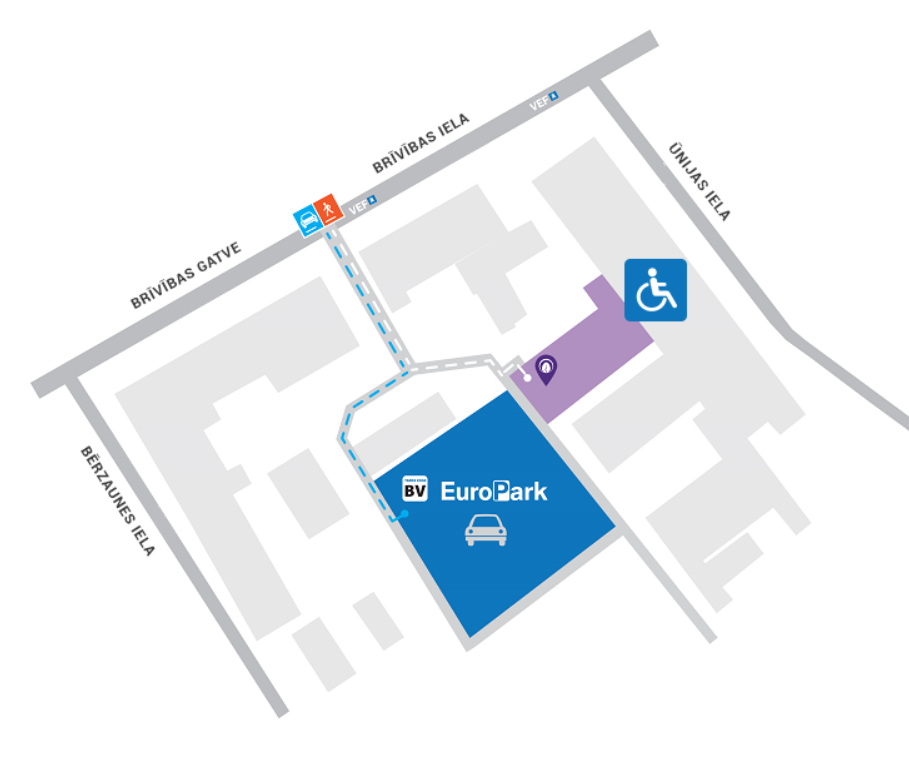
📍 Brīvības gatve 214B, Riga, Latvia
📞 +371 23 271 732
References and Further Reading
1. National Library of Medicine (NCBI). Thoracic Discogenic Syndrome
A medical overview of thoracic disc disorders, symptoms, diagnosis and conservative treatment.
2. American Association of Neurological Surgeons (AANS). Herniated Disc
Information about disc herniation, neurological symptoms and treatment options.
3. American Association of Neurological Surgeons (AANS). Spinal Pain
Information about spinal pain, possible causes and related neurological symptoms.
4. Yoon W.W., Koch J. Herniated Discs: When Is Surgery Necessary? EFORT Open Reviews, 2021
A scientific review discussing indications for surgical treatment of intervertebral disc herniation.
5. Thoracic Disc Herniations: Diagnosis, Surgical Techniques, and Complication Insights, 2025
A review addressing thoracic disc diagnosis, neurological complications and surgical management.
6. Dr. Bubnovsky — Kinesitherapy and the Bubnovsky Method
This article is intended for informational purposes only and does not replace professional medical advice. Kinesitherapy and MTB exercises should be prescribed individually, taking into account the patient's diagnosis, neurological condition and medical contraindications.