Stroke Rehabilitation
Stroke rehabilitation is a comprehensive recovery program designed to restore neurological and physical functions following an acute disruption of blood flow to the brain.
A stroke is often referred to as a “brain catastrophe” because impaired circulation causes brain cells to become damaged or die, resulting in:
Fortunately, the human brain has remarkable adaptive and compensatory abilities.
The primary goal of rehabilitation is to activate and restore the function of damaged but still viable neurons, enabling them to compensate for the functions previously performed by lost nerve cells.
Types of Stroke
There are two main types of stroke, classified according to their underlying mechanism.
Ischemic Stroke
An ischemic stroke, also known as a cerebral infarction, occurs when a blood vessel supplying the brain becomes narrowed or blocked, reducing blood flow to brain tissue.
Hemorrhagic Stroke
A hemorrhagic stroke occurs when a blood vessel ruptures, causing bleeding within the brain.
Although ischemic strokes are often considered less severe, both types of stroke require comprehensive rehabilitation.
Why Early Rehabilitation Is Important
Stroke rehabilitation should begin as early as possible—ideally immediately after the acute phase has stabilized and the patient has been discharged from the hospital.
Over time, the body's ability to restore lost functions decreases.
The earlier rehabilitation begins:
Preventing Recurrent Stroke
Rehabilitation is also essential for reducing the risk of future strokes.
Recurrent cerebrovascular events are often more severe and significantly increase the risk of long-term disability.
Patients recovering from stroke should:
Ignoring preventive measures and healthy lifestyle recommendations can significantly increase the risk of recurrent ischemic events and other complications.
Rehabilitation at the Bubnovsky Center
The comprehensive Bubnovsky kinesitherapy program is designed to help patients gradually and safely return to an active life after stroke.
Stroke rehabilitation is a long-term process that requires:
The best outcomes are typically achieved by patients who remain motivated and actively cooperate with their healthcare team throughout recovery.
Where Rehabilitation Begins
Recovery starts with an initial consultation with a kinesitherapy physician.
During the assessment, the specialist performs:
Based on these findings, an individualized rehabilitation program is created and specific recovery goals are established.
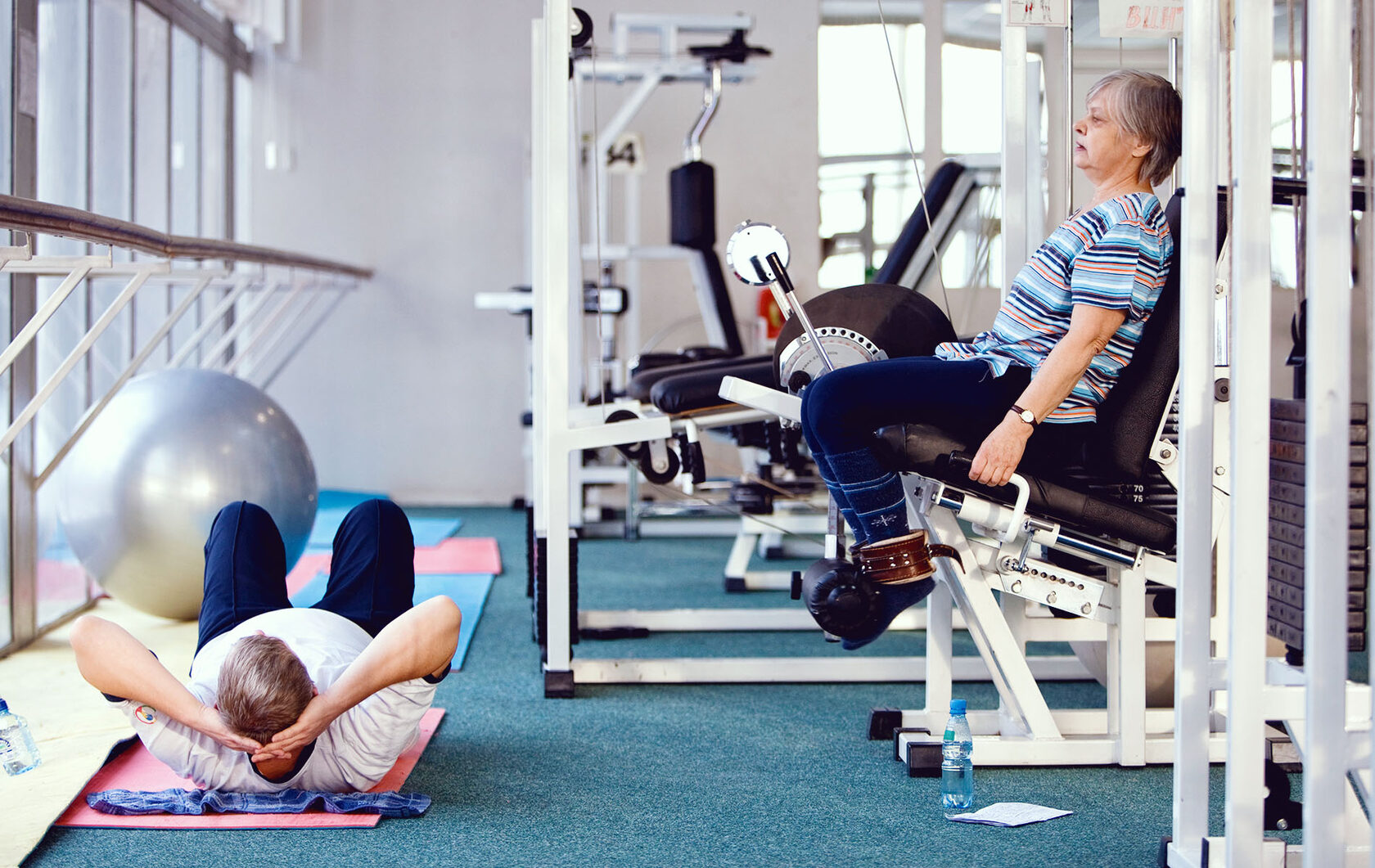
Rehabilitation Using Bubnovsky Equipment
The rehabilitation program includes:
Additional supportive devices may include:
All exercises are individually selected, safe, and specifically designed to maximize rehabilitation outcomes.
Individualized Approach and Safety Monitoring
Stroke survivors remain at increased risk of recurrent cerebrovascular events.
For this reason:
This approach helps safely restore:
Supervised Rehabilitation Sessions
All rehabilitation sessions are conducted under the supervision of a trained instructor.
The instructor:
Additional Health Monitoring
Throughout rehabilitation, patients may undergo:
Returning to an Active Life
Timely rehabilitation after stroke can help:
The specialists at the Dr. Bubnovsky Center in Riga provide safe and personalized stroke rehabilitation programs designed to help patients regain strength, improve mobility, and return to an active and fulfilling life.
Book your initial consultation at bubnovsky.lv or call +371 23271732.
When purchasing a package of 12 rehabilitation sessions, you will receive a free initial consultation as well as two follow-up consultations with your physician after the 6th and 11th sessions to evaluate progress and adjust your rehabilitation program if necessary.
Stroke rehabilitation is a comprehensive recovery program designed to restore neurological and physical functions following an acute disruption of blood flow to the brain.
A stroke is often referred to as a “brain catastrophe” because impaired circulation causes brain cells to become damaged or die, resulting in:
- Movement disorders
- Speech difficulties
- Memory and cognitive impairments
- Loss of coordination
- Limitations in daily activities
Fortunately, the human brain has remarkable adaptive and compensatory abilities.
The primary goal of rehabilitation is to activate and restore the function of damaged but still viable neurons, enabling them to compensate for the functions previously performed by lost nerve cells.
Types of Stroke
There are two main types of stroke, classified according to their underlying mechanism.
Ischemic Stroke
An ischemic stroke, also known as a cerebral infarction, occurs when a blood vessel supplying the brain becomes narrowed or blocked, reducing blood flow to brain tissue.
Hemorrhagic Stroke
A hemorrhagic stroke occurs when a blood vessel ruptures, causing bleeding within the brain.
Although ischemic strokes are often considered less severe, both types of stroke require comprehensive rehabilitation.
Why Early Rehabilitation Is Important
Stroke rehabilitation should begin as early as possible—ideally immediately after the acute phase has stabilized and the patient has been discharged from the hospital.
Over time, the body's ability to restore lost functions decreases.
The earlier rehabilitation begins:
- The faster neurological symptoms improve
- The greater the restoration of physical and cognitive function
- The higher the likelihood of returning to an independent and active life
Preventing Recurrent Stroke
Rehabilitation is also essential for reducing the risk of future strokes.
Recurrent cerebrovascular events are often more severe and significantly increase the risk of long-term disability.
Patients recovering from stroke should:
- Monitor blood pressure regularly
- Control blood sugar levels
- Maintain healthy cholesterol levels
- Avoid harmful habits such as smoking
- Follow a healthy sleep schedule
- Engage in regular physical activity
Ignoring preventive measures and healthy lifestyle recommendations can significantly increase the risk of recurrent ischemic events and other complications.
Rehabilitation at the Bubnovsky Center
The comprehensive Bubnovsky kinesitherapy program is designed to help patients gradually and safely return to an active life after stroke.
Stroke rehabilitation is a long-term process that requires:
- Patience
- Consistency
- Active participation from the patient
The best outcomes are typically achieved by patients who remain motivated and actively cooperate with their healthcare team throughout recovery.
Where Rehabilitation Begins
Recovery starts with an initial consultation with a kinesitherapy physician.
During the assessment, the specialist performs:
- Manual examination
- Evaluation of motor impairments
- Assessment of rehabilitation potential
- Functional testing
- Review of medical history
Based on these findings, an individualized rehabilitation program is created and specific recovery goals are established.
Rehabilitation Using Bubnovsky Equipment
The rehabilitation program includes:
- The Bubnovsky Multifunctional Training Machine (MTB)
- Specialized rehabilitation equipment
Additional supportive devices may include:
- Rehabilitation tables
- Straps
- Cuffs
- Support harnesses
All exercises are individually selected, safe, and specifically designed to maximize rehabilitation outcomes.
Individualized Approach and Safety Monitoring
Stroke survivors remain at increased risk of recurrent cerebrovascular events.
For this reason:
- Physical activity levels are carefully controlled
- Programs are tailored individually
- Patient progress is monitored by a kinesitherapy physician
This approach helps safely restore:
- Motor function
- Coordination
- Muscle strength
- Physical endurance
Supervised Rehabilitation Sessions
All rehabilitation sessions are conducted under the supervision of a trained instructor.
The instructor:
- Monitors exercise technique
- Teaches proper movement patterns
- Assists with diaphragmatic breathing techniques
- Helps patients learn exercises for independent practice
Additional Health Monitoring
Throughout rehabilitation, patients may undergo:
- Cardiac monitoring
- Ultrasound examination of peripheral blood vessels
- Assessment of overall functional health
Returning to an Active Life
Timely rehabilitation after stroke can help:
- Restore lost functions
- Reduce the risk of disability
- Improve independence
- Enhance quality of life
- Restore social and family participation
The specialists at the Dr. Bubnovsky Center in Riga provide safe and personalized stroke rehabilitation programs designed to help patients regain strength, improve mobility, and return to an active and fulfilling life.
Book your initial consultation at bubnovsky.lv or call +371 23271732.
When purchasing a package of 12 rehabilitation sessions, you will receive a free initial consultation as well as two follow-up consultations with your physician after the 6th and 11th sessions to evaluate progress and adjust your rehabilitation program if necessary.