Rehabilitation After Spinal Injury
Spinal injuries are serious conditions that can significantly affect a person's quality of life.
Mechanical injuries such as:
may lead to severe impairments in bodily function.
The most common consequences of spinal injuries include:
These complications are often caused by changes in muscles and nervous tissue associated with reduced blood supply and impaired metabolic processes.
Injuries affecting the cervical and upper thoracic spine may result in:
Therapeutic Exercise After Spinal Injury
Modern rehabilitation following spinal injuries is based on therapeutic exercise and comprehensive recovery programs.
Physical therapy helps to:
Before beginning rehabilitation, a consultation with a specialist is essential to develop an individualized recovery program.
Rehabilitation After Cervical Spine Injury
For injuries affecting the cervical spine, rehabilitation may include:
These methods help:
When Rehabilitation Should Begin
Rehabilitation should begin as early as possible once the patient's condition has stabilized.
During the initial phase, gentle exercises are used to:
As the patient's condition improves, the rehabilitation program is gradually expanded.
Modern Rehabilitation Methods
CPM Therapy
Continuous Passive Motion (CPM) therapy helps restore joint mobility using specialized equipment that provides controlled passive movement.
This method helps:
Mechanotherapy
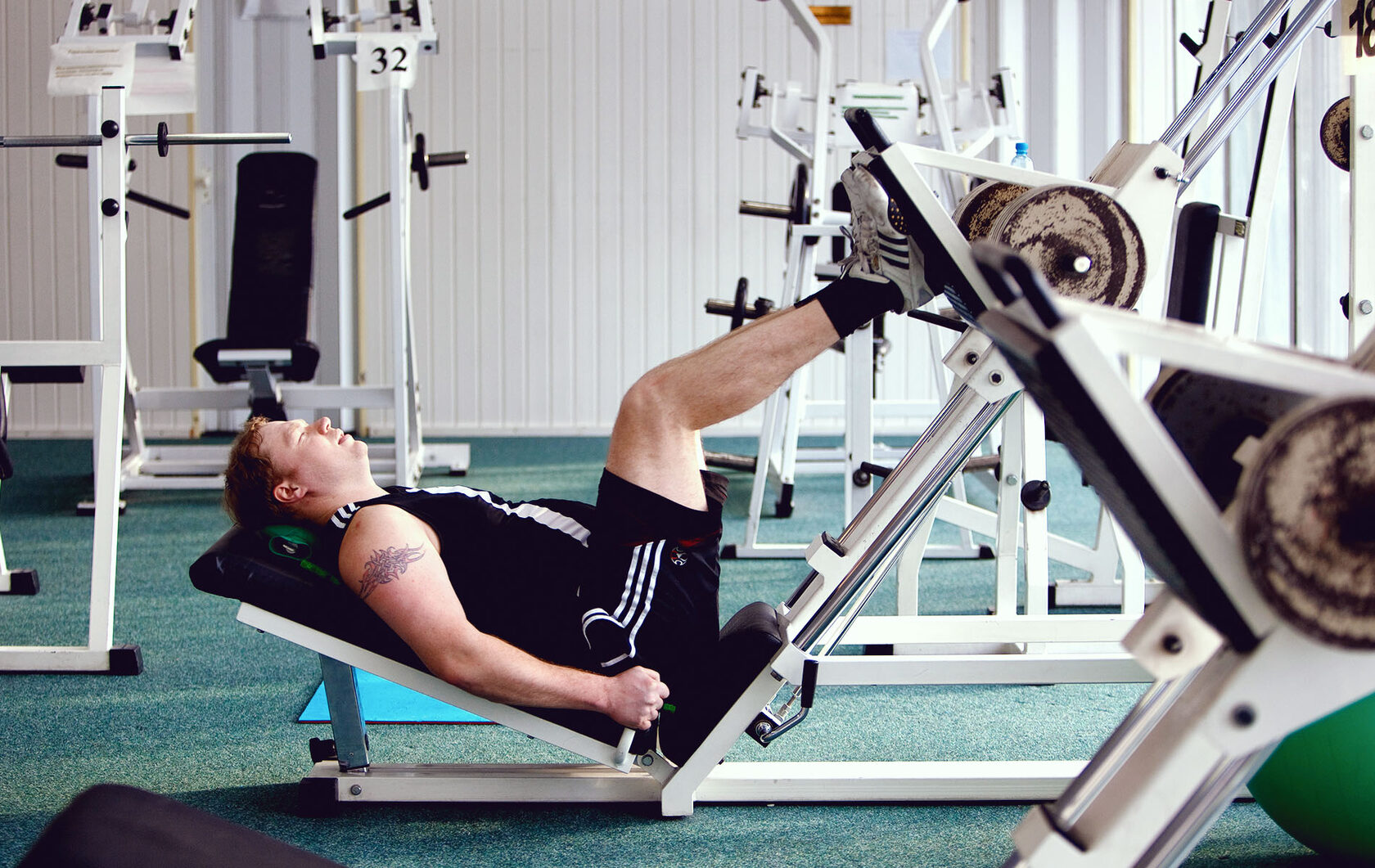
Mechanotherapy is considered one of the most effective methods of recovery after spinal injuries.
It helps:
Therapeutic Massage
Various forms of massage are commonly used during rehabilitation, including:
Massage helps:
Electrical Muscle Stimulation
Electrical muscle stimulation is often used as an additional rehabilitation tool.
The method is based on the application of low-frequency impulses to muscles and nerve receptors.
This helps:
Recovery After Spinal Injury
During the initial assessment, the specialist determines:
Based on the results, an individualized rehabilitation plan is developed.
In cases of minor injuries, near-complete recovery of function may be possible.
In severe spinal cord injuries, patients may continue to experience:
For this reason, rehabilitation should always be supervised by experienced professionals.
Self-treatment following a spinal injury may lead to serious and irreversible consequences.
Rehabilitation After Spinal Surgery
Recovery following spinal surgery can be lengthy and often requires a comprehensive rehabilitation approach.
A properly structured rehabilitation program helps:
Additional support may be provided by:
Comprehensive Recovery After Spinal Injury
Comprehensive rehabilitation helps improve physical condition, restore movement, and enhance quality of life.
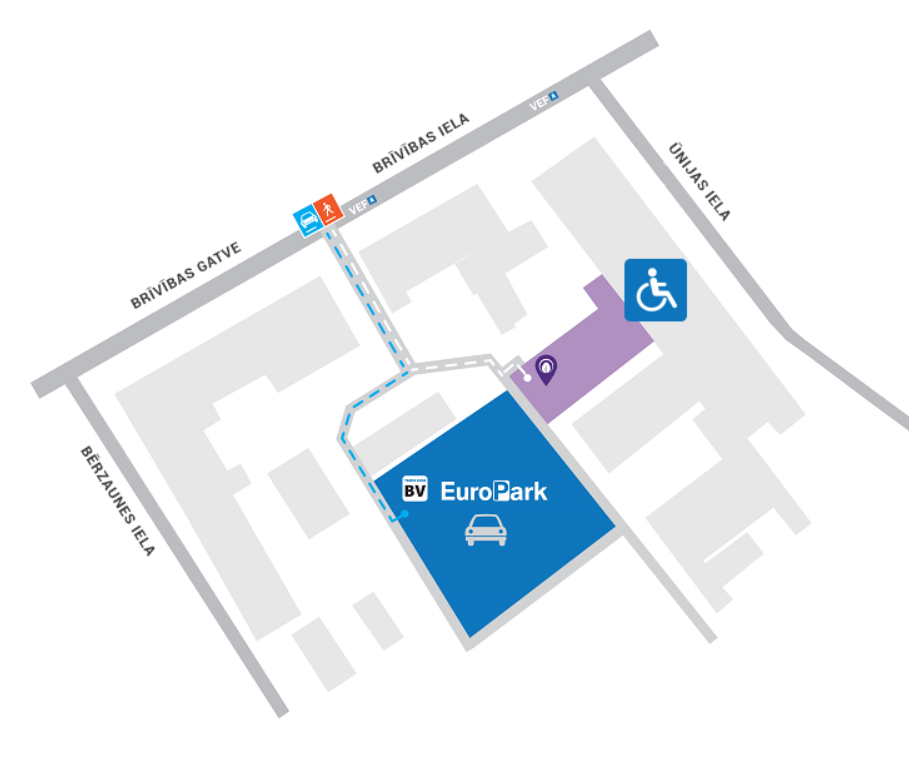
The specialists at the Dr. Bubnovsky Center in Riga provide safe and effective rehabilitation programs following spinal injuries, helping patients strengthen muscles, regain mobility, and return to an active lifestyle.
Book your initial consultation at bubnovsky.lv or call +371 23271732.
When purchasing a package of 12 rehabilitation sessions, you will receive a free initial consultation as well as two follow-up consultations with your physician after the 6th and 11th sessions to assess progress and adjust your recovery program if necessary.
Spinal injuries are serious conditions that can significantly affect a person's quality of life.
Mechanical injuries such as:
- Contusions
- Tissue tears
- Concussions
- Compression injuries
may lead to severe impairments in bodily function.
The most common consequences of spinal injuries include:
- Sensory disturbances
- Limited mobility
- Muscle weakness
- Pain
- Impaired coordination
These complications are often caused by changes in muscles and nervous tissue associated with reduced blood supply and impaired metabolic processes.
Injuries affecting the cervical and upper thoracic spine may result in:
- Atrophy of chest and abdominal muscles
- Restricted movement
- Reduced muscle tone
- Impaired function of lower limb joints
Therapeutic Exercise After Spinal Injury
Modern rehabilitation following spinal injuries is based on therapeutic exercise and comprehensive recovery programs.
Physical therapy helps to:
- Normalize muscle tone
- Improve blood circulation
- Reduce pain
- Accelerate nerve tissue recovery
- Activate the body's natural healing mechanisms
- Restore motor function
Before beginning rehabilitation, a consultation with a specialist is essential to develop an individualized recovery program.
Rehabilitation After Cervical Spine Injury
For injuries affecting the cervical spine, rehabilitation may include:
- Therapeutic exercise
- Manual therapy
- Reflexology
- Joint mobility exercises
- Muscle-strengthening techniques
These methods help:
- Reduce muscle atrophy
- Improve tissue nutrition
- Restore mobility
- Enhance overall patient well-being
When Rehabilitation Should Begin
Rehabilitation should begin as early as possible once the patient's condition has stabilized.
During the initial phase, gentle exercises are used to:
- Prevent pressure sores
- Improve blood circulation
- Support respiratory function
- Stimulate cardiovascular activity
As the patient's condition improves, the rehabilitation program is gradually expanded.
Modern Rehabilitation Methods
CPM Therapy
Continuous Passive Motion (CPM) therapy helps restore joint mobility using specialized equipment that provides controlled passive movement.
This method helps:
- Improve joint mobility
- Reduce stiffness
- Enhance circulation
Mechanotherapy
Mechanotherapy is considered one of the most effective methods of recovery after spinal injuries.
It helps:
- Improve blood circulation
- Increase joint mobility
- Enhance tissue nutrition
- Stretch soft tissues
- Reduce contractures
Therapeutic Massage
Various forms of massage are commonly used during rehabilitation, including:
- Manual massage
- Mechanical massage
- Acupressure massage
- Segmental massage
Massage helps:
- Relax muscles
- Reduce pain
- Improve circulation
- Accelerate tissue healing
Electrical Muscle Stimulation
Electrical muscle stimulation is often used as an additional rehabilitation tool.
The method is based on the application of low-frequency impulses to muscles and nerve receptors.
This helps:
- Improve muscle tone
- Activate weakened muscles
- Accelerate restoration of motor function
Recovery After Spinal Injury
During the initial assessment, the specialist determines:
- The level of spinal injury
- The degree of spinal cord involvement
- The presence of sensory and motor impairments
Based on the results, an individualized rehabilitation plan is developed.
In cases of minor injuries, near-complete recovery of function may be possible.
In severe spinal cord injuries, patients may continue to experience:
- Sensory deficits
- Limited mobility
- Dysfunction of pelvic organs
For this reason, rehabilitation should always be supervised by experienced professionals.
Self-treatment following a spinal injury may lead to serious and irreversible consequences.
Rehabilitation After Spinal Surgery
Recovery following spinal surgery can be lengthy and often requires a comprehensive rehabilitation approach.
A properly structured rehabilitation program helps:
- Reduce pain
- Restore mobility
- Strengthen muscles
- Improve quality of life
- Safely return patients to daily activities
Additional support may be provided by:
- Neurologists
- Manual therapists
- Physiotherapists
- Psychologists
Comprehensive Recovery After Spinal Injury
Comprehensive rehabilitation helps improve physical condition, restore movement, and enhance quality of life.
The specialists at the Dr. Bubnovsky Center in Riga provide safe and effective rehabilitation programs following spinal injuries, helping patients strengthen muscles, regain mobility, and return to an active lifestyle.
Book your initial consultation at bubnovsky.lv or call +371 23271732.
When purchasing a package of 12 rehabilitation sessions, you will receive a free initial consultation as well as two follow-up consultations with your physician after the 6th and 11th sessions to assess progress and adjust your recovery program if necessary.