Shoulder Osteoarthritis: Symptoms, Causes and Treatment Without Surgery
The shoulder is one of the most mobile joints in the human body. Its structure allows us to raise our arms, reach for objects on high shelves, get dressed, exercise and perform everyday tasks. Even a slight restriction in shoulder mobility can therefore significantly affect quality of life.
Shoulder osteoarthritis, also known as degenerative arthritis of the shoulder, is a chronic condition involving gradual changes in the articular cartilage, bone tissue and other joint structures. It can cause pain, stiffness, grinding sensations and restricted movement.
Although shoulder osteoarthritis is less common than knee or hip osteoarthritis, its symptoms can considerably limit everyday activities.
Many patients worry that being diagnosed with osteoarthritis inevitably means they will need surgery. However, in many cases, appropriately selected exercises, individualised rehabilitation and other conservative treatments can help reduce symptoms and maintain physical function.
At Dr. Bubnovsky Center in Riga, kinesitherapy for shoulder osteoarthritis is used to improve movement and physical function through individually selected exercises, muscle strengthening and gradual increases in physical activity.
What Is Shoulder Osteoarthritis?
The shoulder joint is formed by the head of the humerus (upper arm bone) and the glenoid cavity of the scapula (shoulder blade). Its ball-and-socket structure allows a wide range of movement.
The surfaces of the bones within the joint are covered with cartilage, which reduces friction and helps distribute mechanical loads.
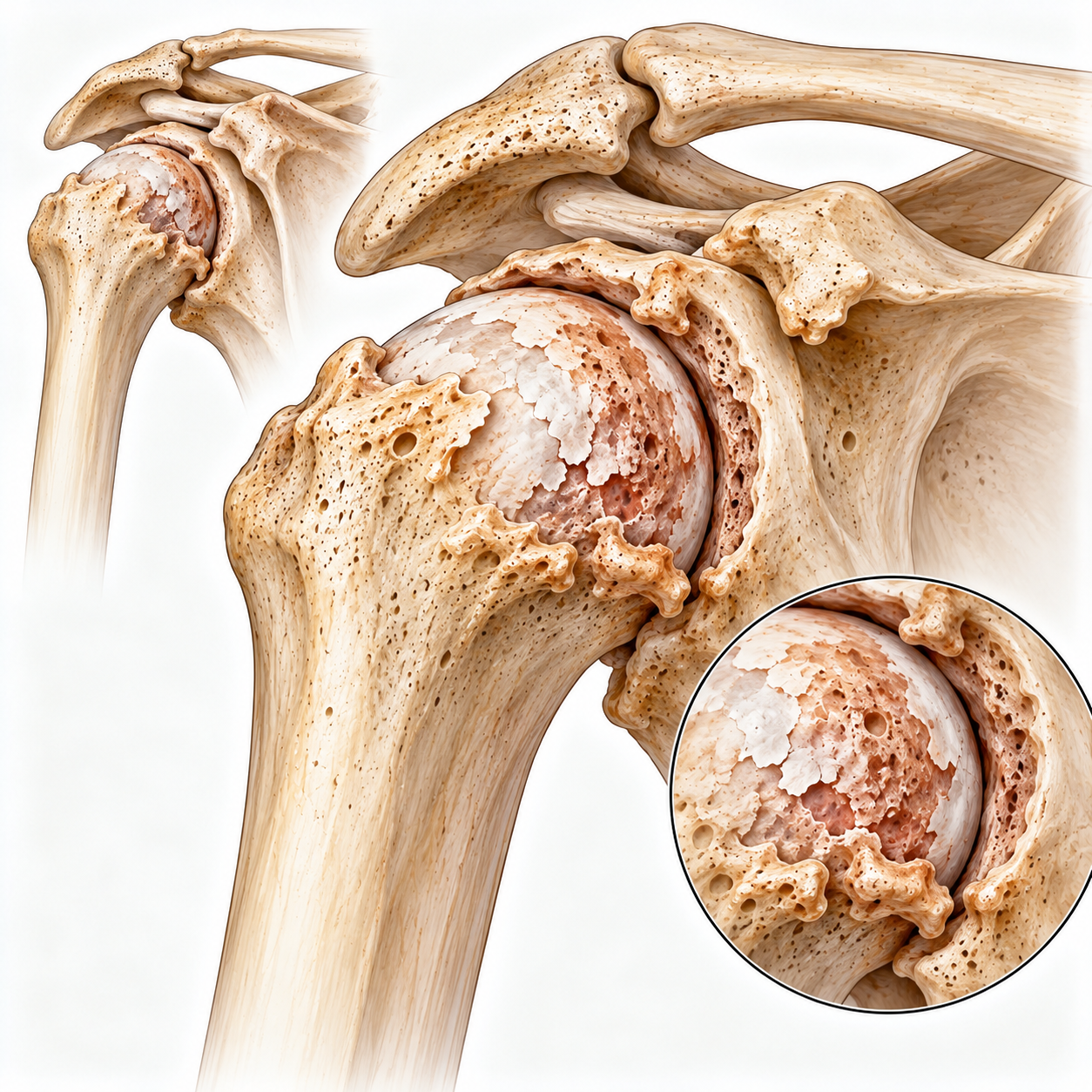
In shoulder osteoarthritis, several structural changes may gradually develop:
- thinning and deterioration of articular cartilage;
- narrowing of the joint space;
- formation of bony growths known as osteophytes;
- changes in the bone tissue beneath the cartilage;
- possible inflammatory changes within the joint;
- a gradual reduction in range of motion.
These changes may cause pain, stiffness and difficulty moving the arm.
It is important to understand that the shoulder region contains several joints. Osteoarthritis may affect the main shoulder joint, known as the glenohumeral joint, or the acromioclavicular joint, which connects the collarbone to the shoulder blade.
These conditions can cause different symptoms and may require different treatment approaches.
Further information about types of shoulder arthritis, symptoms and treatment options is available in specialist medical resources.
What Causes Shoulder Osteoarthritis?
Shoulder osteoarthritis may develop due to age-related changes, previous injuries, anatomical characteristics and other contributing factors.
Age-Related Changes
As people age, structural and metabolic changes occur within joint tissues.
Cartilage may become less able to adapt to mechanical stress, increasing the likelihood of osteoarthritis.
However, osteoarthritis is not an inevitable consequence of ageing.
Previous Shoulder Injuries
Fractures, dislocations and significant damage to joint structures may alter shoulder mechanics and increase the risk of osteoarthritis.
Post-traumatic osteoarthritis can sometimes develop even in relatively young adults.
Rotator Cuff Injuries
The rotator cuff consists of muscles and tendons that help stabilise the shoulder and control its movements.
Large or long-standing rotator cuff tears may lead to a specific form of joint damage known as rotator cuff tear arthropathy.
This condition should be distinguished from primary glenohumeral osteoarthritis.
Repetitive Occupational Stress
Work involving frequent overhead movements, heavy lifting or repeated physically demanding tasks may contribute to shoulder overuse symptoms.
In some cases, these activities may also be associated with degenerative joint changes.
However, not every form of intensive physical activity causes osteoarthritis.
Genetics and Joint Anatomy
Genetic factors, anatomical variations and individual characteristics of joint tissues may influence the risk of developing osteoarthritis.
Main Symptoms of Shoulder Osteoarthritis
Symptoms usually develop gradually, although their severity and pattern vary between individuals.
Common signs include:
- pain in the shoulder joint;
- stiffness after rest;
- difficulty raising the arm overhead;
- limited ability to move the arm sideways;
- pain when reaching behind the back;
- grinding or clicking sensations during movement;
- reduced range of motion;
- pain at night;
- difficulty performing everyday activities.
Shoulder Pain
In the early stages, pain may occur only after physical activity or during certain movements.
As the condition progresses, discomfort may become more frequent and interfere with ordinary daily tasks.
Difficulty Raising the Arm
One characteristic symptom is reduced ability to lift the arm overhead or move it away from the body.
This can make reaching for objects, dressing and performing household activities more difficult.
Grinding and Clicking
A grinding or crackling sensation, known as crepitus, may occur when the shoulder moves.
However, clicking or grinding without pain or other symptoms does not necessarily indicate osteoarthritis.
Night Pain
Some patients experience increased pain at night, especially when lying on the affected shoulder.
This may disturb sleep and reduce quality of life.
Restricted Shoulder Mobility
Both active and passive ranges of motion may gradually decrease.
Patients may find it increasingly difficult to lift the arm, reach behind their back or perform familiar movements.
Does Shoulder Pain Always Mean Osteoarthritis?
No. Shoulder pain can be caused by a wide range of conditions and injuries.
Similar symptoms may occur with:
- rotator cuff tendinopathy or tears;
- adhesive capsulitis, also known as frozen shoulder;
- subacromial pain syndrome;
- calcific tendinopathy;
- acromioclavicular joint disorders;
- irritation of nerve roots in the cervical spine;
- inflammatory joint diseases.
A diagnosis should therefore not be based solely on the type of pain or clicking sounds during movement.
Identifying the underlying cause requires a professional assessment and, in some cases, additional investigations.
Common causes of shoulder pain may produce similar symptoms but require different approaches to treatment.
How Does Shoulder Osteoarthritis Progress?
The course of the condition varies from person to person.
Some patients experience mild symptoms for many years, while others gradually develop more pronounced pain and movement restrictions.
Early Changes
During the early stages, patients may experience mild discomfort after activity, stiffness and occasional grinding sensations.
Shoulder mobility is often relatively well preserved.
Moderate Osteoarthritis
Pain may become more frequent, range of motion may decrease and everyday tasks may become more difficult.
X-rays may reveal narrowing of the joint space and the formation of osteophytes.
Advanced Osteoarthritis
In more severe cases, patients may experience persistent pain, night-time discomfort and significant movement limitations.
Substantial structural changes within the joint may be present.
Importantly, the severity of changes visible on X-rays does not always correspond to pain intensity. Treatment should therefore take functional abilities and quality of life into account.
How Is Shoulder Osteoarthritis Diagnosed?
Diagnosis involves assessing the patient's symptoms, medical history, previous injuries, movement abilities and examination results.
Clinical Examination
During an assessment, a healthcare professional may evaluate:
- the location and nature of pain;
- active and passive ranges of motion;
- muscle strength;
- shoulder joint stability;
- movement coordination;
- possible signs of rotator cuff damage.
X-Ray Examination
X-rays are among the main imaging methods used to assess shoulder osteoarthritis.
They can help identify:
- narrowing of the joint space;
- bony growths;
- changes in bone structure;
- deformities of the joint surfaces.
Computed Tomography (CT)
CT scans may be used to assess complex changes in bone anatomy in greater detail, particularly when planning surgery.
Magnetic Resonance Imaging (MRI)
MRI may be used when a more detailed assessment of soft tissues is needed, including the rotator cuff tendons and other shoulder structures.
However, MRI is not necessary for every patient with suspected shoulder osteoarthritis.
Clinical practice guidelines for glenohumeral osteoarthritis emphasise the importance of clinical assessment and the appropriate use of diagnostic imaging.
Can Shoulder Osteoarthritis Be Treated Without Surgery?
In many cases, yes.
Conservative treatment is usually considered first and focuses on reducing pain, improving shoulder function and maintaining physical activity.
A treatment programme may include:
- individually tailored therapeutic exercises;
- strengthening the shoulder girdle muscles;
- exercises to improve mobility;
- adjustments to daily physical activities;
- physiotherapy and kinesitherapy;
- pain-relieving or anti-inflammatory medication prescribed by a doctor;
- joint injections in selected cases.
The main principles of osteoarthritis treatment include appropriate physical activity, muscle strengthening and symptom management.
However, conservative treatment cannot guarantee the restoration of damaged joint cartilage.
Can Chondroprotective Supplements Restore Cartilage?
Products such as glucosamine and chondroitin are often promoted as supplements that help rebuild joint cartilage.
However, there is no convincing evidence that these products restore shoulder cartilage or stop the progression of osteoarthritis.
They should therefore not be considered a proven method of reversing structural joint damage.
Electrotherapy, magnetic therapy and other passive treatments should also not replace appropriate medical assessment and active functional rehabilitation.
Kinesitherapy Using the Bubnovsky Method for Shoulder Osteoarthritis
At Dr. Bubnovsky Center in Riga, kinesitherapy is used to improve physical function through individually selected exercises.
The approach is based on the patient's active participation in rehabilitation.
The programme aims to improve strength, endurance and coordination of the muscles surrounding the shoulder.
The main goals of kinesitherapy are to:
- Reduce movement-related pain.
- Improve shoulder joint mobility.
- Strengthen the shoulder girdle muscles.
- Develop rotator cuff muscle strength.
- Improve control of shoulder blade movements.
- Increase tolerance for physical activity.
- Help patients return to their usual daily activities.
Exercises are selected according to the condition of the joint, symptom severity, muscle strength and any medical contraindications.
Why Is Shoulder Muscle Strengthening Important?
The stability of the shoulder joint depends largely on the surrounding muscles.
The rotator cuff and the muscles controlling shoulder blade movements play particularly important roles.
They help raise and rotate the arm and support a wide range of everyday movements.
When muscle strength and coordination decrease, patients may find it more difficult to:
- raise an arm above the head;
- carry objects;
- get dressed;
- perform household tasks;
- control arm movements.
Strengthening these muscles can improve functional abilities, although it does not mechanically repair damaged cartilage.
Exercises on the Bubnovsky Multifunctional Trainer (MTB)
A kinesitherapy programme may include exercises using the Bubnovsky Multifunctional Trainer (MTB).
The MTB allows resistance to be adjusted and exercises to be performed in different body positions, making it possible to tailor physical loading to individual abilities.
Exercises using the trainer may help:
- regulate exercise intensity;
- strengthen the shoulder girdle muscles;
- develop muscle strength and endurance;
- improve movement coordination;
- gradually increase resistance;
- perform movements within an individually selected range of motion.
Sessions are supervised by an instructor.
The instructor monitors exercise technique and adjusts physical loading according to the patient's functional condition.
It is important to understand that the trainer does not completely eliminate stress on the shoulder joint. Not every exercise is suitable for every patient, and the programme should be reviewed if pain increases significantly.
Which Exercises May Help With Shoulder Osteoarthritis?
Exercise selection depends on the condition of the joint, pain intensity and the type of movement restriction.
Shoulder Mobility Exercises
Gentle, controlled movements can help maintain or improve the shoulder's range of motion.
Rotator Cuff Strengthening
Exercises using individually selected resistance can help develop muscle strength and movement control.
Shoulder Blade Stabilisation Exercises
These exercises focus on the muscles responsible for coordinating movements of the shoulder blade and shoulder girdle.
Functional Exercises
Functional exercises aim to improve everyday movements, such as raising an arm, reaching for objects and carrying items.
Floor-Based Exercises
Some exercises can be performed on an exercise mat without specialised machines or with simple additional equipment.
There is no single universal exercise programme suitable for every patient with shoulder osteoarthritis.
Why Should Exercise Intensity Be Increased Gradually?
People experiencing persistent shoulder pain often begin avoiding certain movements.
Over time, reduced activity may contribute to muscle weakness and further movement limitations.
However, returning to intense physical activity too quickly can also aggravate discomfort.
Gradual adaptation is therefore an important principle of rehabilitation.
Initially, exercises may be performed with light resistance and within a comfortable range of motion.
As physical function improves, resistance and exercise intensity can gradually increase.
If pain becomes significantly worse, pronounced swelling develops or movement becomes more restricted, the exercise programme should be reassessed.
How Does Rehabilitation Work at Dr. Bubnovsky Center?
1. Initial Consultation
A specialist assesses the patient's symptoms, medical history, shoulder mobility and available examination results.
2. Functional Assessment
Muscle function, range of motion, strength and coordination are evaluated.
X-ray, MRI or CT results are taken into account when relevant.
3. Individual Exercise Programme
Exercises and appropriate levels of physical loading are selected based on the assessment.
4. Supervised Exercise Sessions
The patient learns correct movement techniques under an instructor's supervision and gradually increases physical activity.
5. Progress Assessment
The specialist evaluates changes in mobility, muscle strength and the ability to perform everyday activities.
The programme is adjusted when necessary.
Additional Rehabilitation Methods
Depending on the patient's health and clinical indications, rehabilitation may include additional measures such as:
- joint mobility exercises;
- stretching exercises;
- movement coordination training;
- guidance on adapting everyday activities;
- selected physical therapy procedures.
Sauna sessions or local cold applications may provide temporary symptom relief for some patients when there are no contraindications.
However, these procedures do not restore joint cartilage and should not replace therapeutic exercise or necessary medical treatment.
What Results Can Be Expected From Kinesitherapy?
An individually tailored exercise programme may help:
- reduce shoulder pain;
- improve joint mobility;
- increase muscle strength;
- develop physical endurance;
- improve movement coordination;
- make everyday activities easier;
- improve quality of life.
Results depend on the severity of osteoarthritis, the condition of joint structures, muscles and tendons, and the patient's individual response to exercise.
The goal of kinesitherapy is to improve shoulder function and reduce symptoms, not to guarantee cartilage regeneration or a complete cure for osteoarthritis.
Can the Progression of Shoulder Osteoarthritis Be Stopped?
The course of shoulder osteoarthritis varies between individuals.
In some patients, structural changes develop very slowly, and shoulder function remains relatively well preserved for many years.
Regular exercises, muscle strengthening and maintaining appropriate physical activity may help preserve functional abilities.
However, rehabilitation cannot be guaranteed to stop changes in joint cartilage completely.
The main goal of treatment is to reduce symptoms, maintain as much mobility as possible and improve quality of life.
When Might Shoulder Replacement Surgery Be Necessary?
If conservative treatments do not provide sufficient relief and pain or movement restrictions significantly affect everyday life, a doctor may recommend considering surgery.
Shoulder joint replacement may be discussed when patients experience:
- severe and persistent pain;
- significant loss of shoulder mobility;
- difficulty performing everyday tasks;
- pain that disrupts sleep;
- insufficient improvement with conservative treatment.
Depending on the condition of the joint and rotator cuff, anatomical or reverse shoulder replacement may be considered.
Shoulder replacement options are assessed individually, taking into account symptoms, anatomy and functional needs.
When Should You Seek Urgent Medical Attention?
Shoulder pain is not always caused by osteoarthritis.
Urgent medical assessment is necessary if:
- severe pain or a visible deformity appears after an injury;
- you suddenly become unable to move your arm;
- the shoulder becomes severely swollen, hot and painful;
- pain is accompanied by fever or feeling generally unwell;
- sudden shoulder or left arm pain occurs together with chest pressure, shortness of breath or cold sweats.
In the last situation, emergency medical services should be contacted immediately, as these symptoms may indicate a heart-related emergency.
Shoulder Osteoarthritis Treatment in Riga
At Dr. Bubnovsky Center in Riga, we help patients with shoulder osteoarthritis, chronic shoulder pain and movement limitations.
Our approach is based on individual functional assessment, kinesitherapy and the gradual adjustment of physical exercise.
The main goals of our programmes are to:
- reduce movement-related pain;
- improve shoulder joint mobility;
- strengthen the shoulder girdle muscles;
- develop strength and endurance;
- improve movement control;
- help patients return to their usual daily activities.
Our goal is to help patients maintain freedom of movement, improve physical abilities and enjoy a better quality of life.
Book a Consultation at Dr. Bubnovsky Center in Riga
If you experience shoulder pain, stiffness or difficulty raising your arm, a timely consultation can help identify possible causes and assess suitable rehabilitation options.
Special Offer at Dr. Bubnovsky Center
When purchasing a 12-session treatment programme, you receive:
- a free initial consultation;
- a follow-up consultation with your treating doctor after the 6th session;
- another follow-up consultation after the 11th session to assess progress and adjust the rehabilitation programme if necessary.
Dr. Bubnovsky Center — Riga
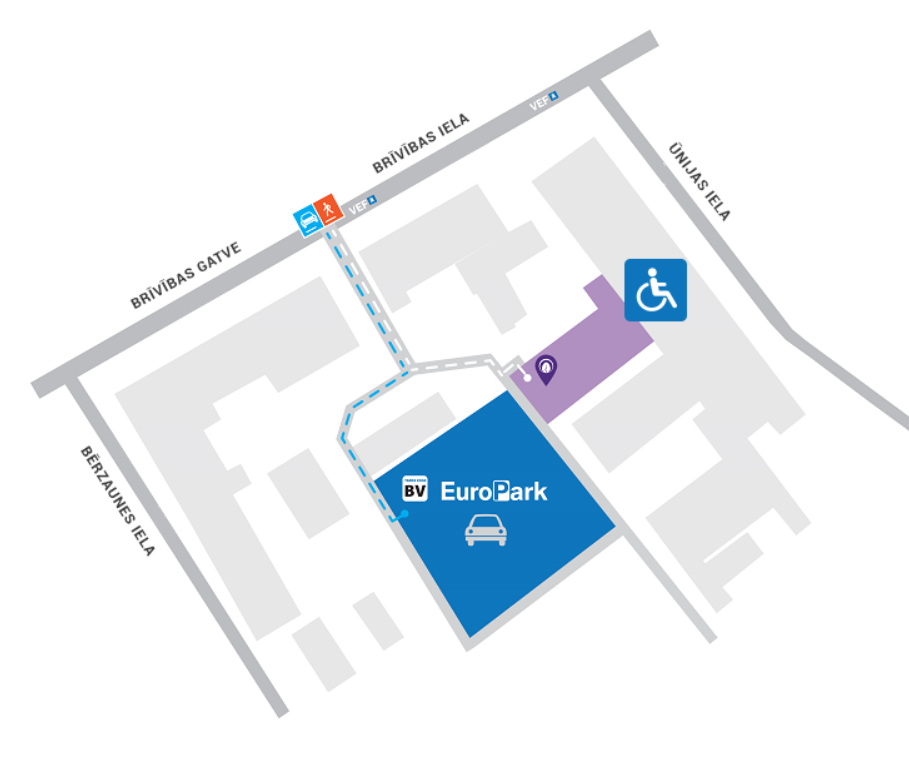
📍 Brīvības gatve 214B, Riga, Latvia
📞 +371 23 271 732
References and Further Reading
1. Dr. Bubnovsky Center. Shoulder Osteoarthritis
2. American Academy of Orthopaedic Surgeons (AAOS). Arthritis of the Shoulder
3. American Academy of Orthopaedic Surgeons (AAOS). Glenohumeral Joint Osteoarthritis — Clinical Practice Guideline
4. National Health Service (NHS). Osteoarthritis — Treatment and Support
5. American Academy of Orthopaedic Surgeons (AAOS). Shoulder Joint Replacement
This article is for informational purposes only and does not replace medical advice. Kinesitherapy programmes are tailored individually, taking into account the diagnosis, medical conditions, physical function and contraindications.