Sedentary Work and Back Pain: How Physiotherapy Helps Restore Spinal Health
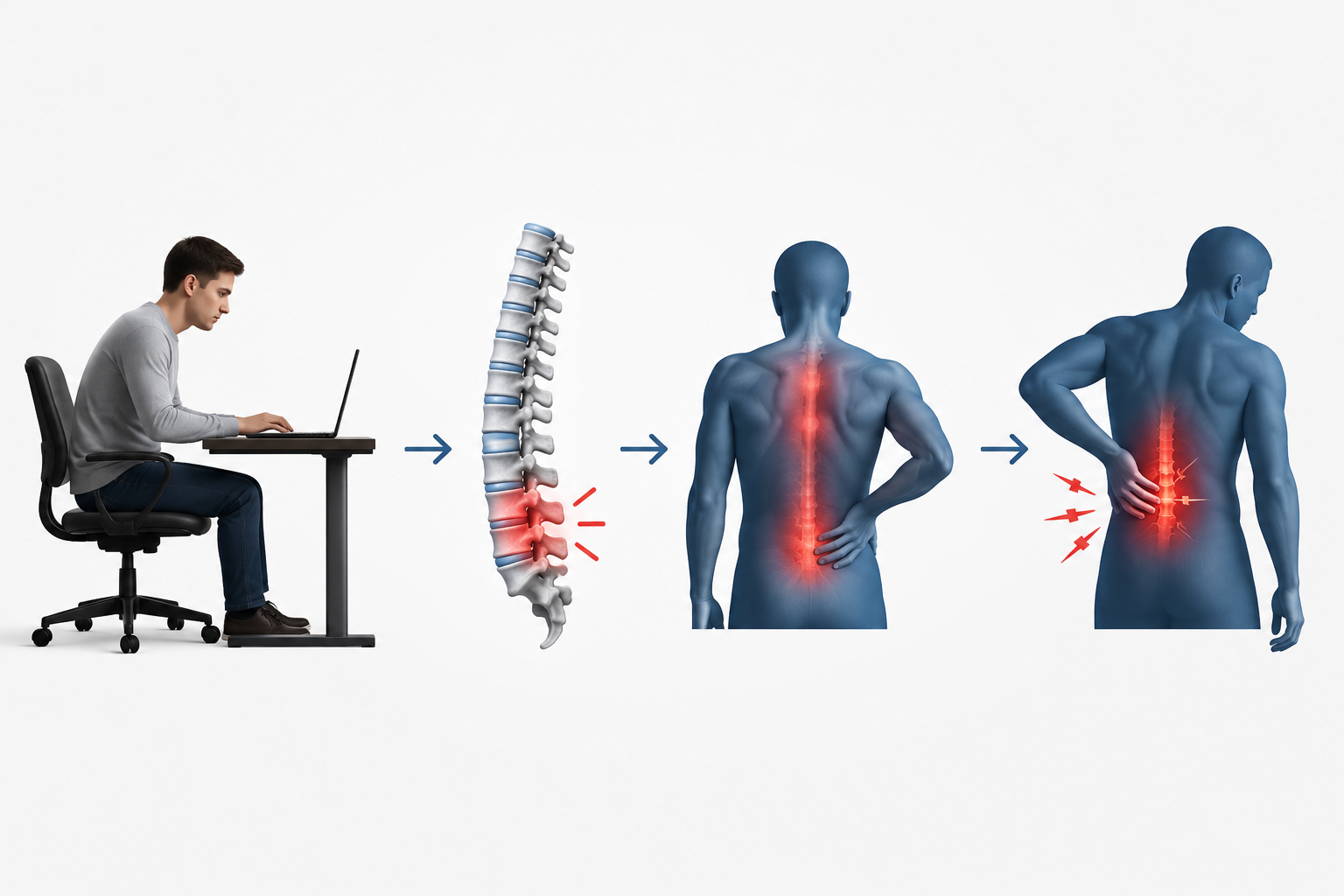
Sedentary work is one of the leading causes of back pain in modern society. More and more people in Riga spend long hours at a computer, working in an office, or driving a vehicle. Prolonged sitting places constant stress on the spine, muscles, and joints, gradually leading to discomfort and chronic back pain.
Many people initially ignore the early signs of trouble, such as mild neck tension, lower back pain, or fatigue after a workday. However, without movement and proper prevention, the problem often progresses over time.
Modern physiotherapy helps not only reduce back pain but also address its underlying causes. That is why more people seek professional physiotherapy at the first signs of discomfort.
The Bubnovsky Center in Riga helps patients restore spinal health through modern physiotherapy and kinesitherapy methods.
Why Sedentary Work Causes Back Pain
The spine is not designed to remain in a static position for extended periods. When a person spends many hours sitting, the back muscles become overloaded and gradually lose their ability to properly support the body.
Prolonged sitting can lead to:
Over time, these changes may contribute to chronic back pain and other spinal problems.
Common Symptoms of Sedentary Work-Related Back Pain
People with sedentary jobs often experience:
Many people notice that symptoms become worse by the end of the day or after long periods of sitting.
Why a Sedentary Lifestyle Is Harmful to the Spine
Today, people move much less than previous generations. Computer-based work, frequent driving, and insufficient physical activity place additional stress on the musculoskeletal system.
A sedentary lifestyle can result in:
This is why regular movement is essential for maintaining spinal health.
How Physiotherapy Helps Relieve Back Pain
Modern physiotherapy focuses on reducing pain while restoring proper muscle and spinal function.
A physiotherapist evaluates:
Based on the assessment, an individualized rehabilitation program is developed.
At the Bubnovsky Center, physiotherapy is based on safe and gradually progressive physical activity.
Why Movement Is Important for the Spine
The spine requires regular movement to remain healthy and functional.
Properly selected physical activity helps:
This is why physiotherapists carefully tailor exercises according to each patient’s condition and goals.
Why Strengthening Deep Back Muscles Matters
The deep spinal muscles play a key role in maintaining stability and distributing loads correctly throughout the body.
When these muscles become weak:
Physiotherapy helps gradually strengthen the muscular support system and reduce stress on the spine.
Why Sedentary Work Affects the Neck and Shoulders
People who spend long hours working at a computer often adopt poor posture without realizing it.
This can cause:
These problems are especially common among office workers and IT professionals.
How Stress Contributes to Back Pain
Emotional stress has a direct impact on muscle health.
During stressful periods:
Stress most commonly affects the muscles of the neck, shoulders, and lower back.
Physiotherapy can improve overall well-being through movement and breathing exercises.
How to Reduce Back Pain While Working a Sedentary Job
To reduce the risk of back pain, it is important to:
Even small but consistent changes can significantly improve spinal health.
Why Prevention Is Important
The earlier a person begins taking care of spinal health, the easier it becomes to prevent chronic problems in the future.
Regular physical activity helps:
Physiotherapy in Riga for Back Pain
Today, more residents of Riga choose physiotherapy as a safe and effective way to restore spinal health.
The Bubnovsky Center helps patients:
An individualized approach allows rehabilitation programs to be tailored according to age, lifestyle, and spinal condition.
Bubnovsky Center in Riga
The Bubnovsky Center helps residents of Riga restore spinal health, reduce back pain, and regain mobility through modern physiotherapy and kinesitherapy methods.
Book your initial consultation at bubnovsky.lv or call +371 23271732.
When purchasing a package of 12 sessions, you will receive a free initial consultation as well as two follow-up consultations with your physician after the 6th and 11th sessions to assess progress and adjust your rehabilitation program.
Sedentary work is one of the leading causes of back pain in modern society. More and more people in Riga spend long hours at a computer, working in an office, or driving a vehicle. Prolonged sitting places constant stress on the spine, muscles, and joints, gradually leading to discomfort and chronic back pain.
Many people initially ignore the early signs of trouble, such as mild neck tension, lower back pain, or fatigue after a workday. However, without movement and proper prevention, the problem often progresses over time.
Modern physiotherapy helps not only reduce back pain but also address its underlying causes. That is why more people seek professional physiotherapy at the first signs of discomfort.
The Bubnovsky Center in Riga helps patients restore spinal health through modern physiotherapy and kinesitherapy methods.
Why Sedentary Work Causes Back Pain
The spine is not designed to remain in a static position for extended periods. When a person spends many hours sitting, the back muscles become overloaded and gradually lose their ability to properly support the body.
Prolonged sitting can lead to:
- Reduced blood circulation
- Weakening of the deep spinal muscles
- Increased stress on the intervertebral discs
- Neck and shoulder tension
- Poor posture
- Reduced mobility
Over time, these changes may contribute to chronic back pain and other spinal problems.
Common Symptoms of Sedentary Work-Related Back Pain
People with sedentary jobs often experience:
- Back pain
- Lower back pain
- Neck tension
- Pain between the shoulder blades
- Headaches
- Fatigue after work
- Stiffness and reduced mobility
- Discomfort during prolonged sitting
Many people notice that symptoms become worse by the end of the day or after long periods of sitting.
Why a Sedentary Lifestyle Is Harmful to the Spine
Today, people move much less than previous generations. Computer-based work, frequent driving, and insufficient physical activity place additional stress on the musculoskeletal system.
A sedentary lifestyle can result in:
- Reduced muscle function
- Decreased spinal mobility
- Increased stress on the joints
- Greater risk of chronic pain
- Poor posture
This is why regular movement is essential for maintaining spinal health.
How Physiotherapy Helps Relieve Back Pain
Modern physiotherapy focuses on reducing pain while restoring proper muscle and spinal function.
A physiotherapist evaluates:
- Spinal mobility
- Muscle condition
- Posture
- Physical fitness level
- Muscle imbalances
- Causes of chronic tension
Based on the assessment, an individualized rehabilitation program is developed.
At the Bubnovsky Center, physiotherapy is based on safe and gradually progressive physical activity.
Why Movement Is Important for the Spine
The spine requires regular movement to remain healthy and functional.
Properly selected physical activity helps:
- Improve circulation
- Reduce muscle tension
- Strengthen back muscles
- Improve posture
- Reduce stress on the intervertebral discs
- Increase overall endurance
This is why physiotherapists carefully tailor exercises according to each patient’s condition and goals.
Why Strengthening Deep Back Muscles Matters
The deep spinal muscles play a key role in maintaining stability and distributing loads correctly throughout the body.
When these muscles become weak:
- The spine experiences excessive strain
- Back pain increases
- Posture worsens
- Pressure on the intervertebral discs rises
- The risk of chronic spinal conditions grows
Physiotherapy helps gradually strengthen the muscular support system and reduce stress on the spine.
Why Sedentary Work Affects the Neck and Shoulders
People who spend long hours working at a computer often adopt poor posture without realizing it.
This can cause:
- Neck pain
- Shoulder tension
- Headaches
- Pain between the shoulder blades
- Restricted movement
These problems are especially common among office workers and IT professionals.
How Stress Contributes to Back Pain
Emotional stress has a direct impact on muscle health.
During stressful periods:
- Muscle spasms increase
- Blood circulation decreases
- Sensitivity to pain rises
- Energy levels drop
Stress most commonly affects the muscles of the neck, shoulders, and lower back.
Physiotherapy can improve overall well-being through movement and breathing exercises.
How to Reduce Back Pain While Working a Sedentary Job
To reduce the risk of back pain, it is important to:
- Move regularly throughout the day
- Take short breaks during work
- Strengthen the back muscles
- Maintain proper posture
- Stay physically active
- Seek professional physiotherapy when symptoms arise
Even small but consistent changes can significantly improve spinal health.
Why Prevention Is Important
The earlier a person begins taking care of spinal health, the easier it becomes to prevent chronic problems in the future.
Regular physical activity helps:
- Maintain mobility
- Strengthen muscles
- Reduce back pain
- Improve posture
- Increase energy levels
- Improve quality of life
Physiotherapy in Riga for Back Pain
Today, more residents of Riga choose physiotherapy as a safe and effective way to restore spinal health.
The Bubnovsky Center helps patients:
- Reduce back pain
- Restore mobility
- Strengthen muscles
- Improve posture
- Reduce muscle tension
- Return to an active lifestyle
An individualized approach allows rehabilitation programs to be tailored according to age, lifestyle, and spinal condition.
Bubnovsky Center in Riga
The Bubnovsky Center helps residents of Riga restore spinal health, reduce back pain, and regain mobility through modern physiotherapy and kinesitherapy methods.
Book your initial consultation at bubnovsky.lv or call +371 23271732.
When purchasing a package of 12 sessions, you will receive a free initial consultation as well as two follow-up consultations with your physician after the 6th and 11th sessions to assess progress and adjust your rehabilitation program.