Osteoporosis: Causes, Symptoms and Fracture Prevention in Riga
Osteoporosis can develop silently for years without causing pain or noticeable changes in how a person feels. People continue walking, working and carrying out their daily activities without realising that their bones are becoming increasingly fragile. Sometimes, the first sign of the disease is a fracture following an ordinary fall.
Osteoporosis is a systemic skeletal disease that reduces bone strength and increases the risk of fractures. Although the term “joint osteoporosis” is sometimes used, the condition primarily affects bones, including those located near the joints.
At the Dr. Bubnovsky Centre in Riga, a doctor assesses muscle condition, joint mobility and the ability to tolerate physical activity. If exercise therapy is appropriate, an individual programme is developed to help maintain muscle strength, improve balance and support safe movement.
What Causes Osteoporosis?
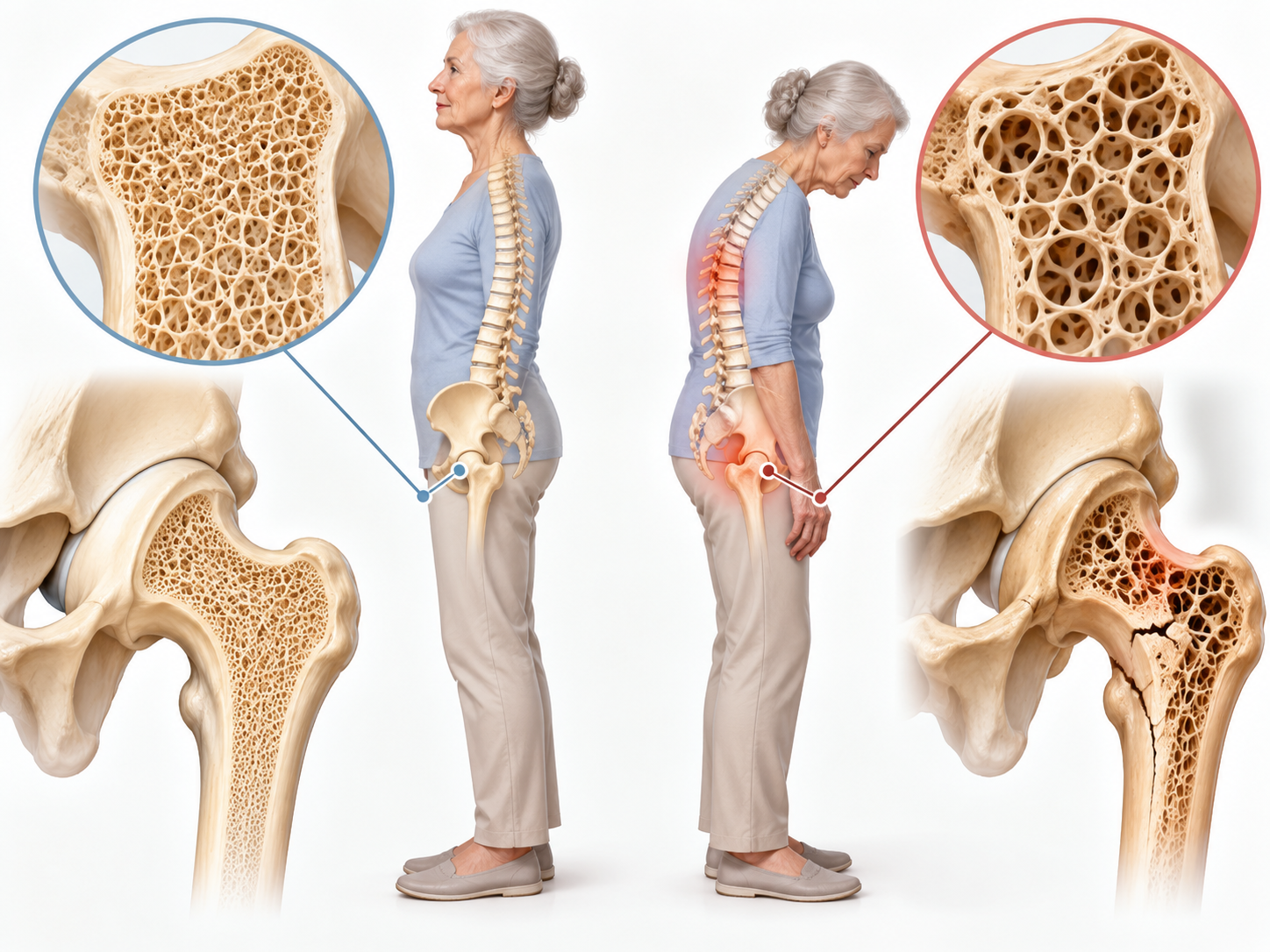
Bone tissue is constantly being renewed. As we age, the process of bone breakdown may begin to exceed the formation of new bone tissue. As a result, bone mass decreases, the internal structure of bones changes and the likelihood of fractures increases.
The main risk factors include:
- Age and hormonal changes – particularly declining oestrogen levels in women after menopause.
- Family history – osteoporosis or hip fractures among close relatives.
- Insufficient physical activity – a lack of regular exercise needed to maintain bone and muscle strength.
- Calcium and vitamin D deficiency – inadequate intake or absorption of nutrients essential for bone health.
- Chronic diseases – certain endocrine and inflammatory conditions, as well as disorders affecting nutrient absorption.
- Long-term use of certain medications – particularly systemic glucocorticoids.
Osteoporosis itself usually does not cause pain. However, its consequences may include back pain, loss of height, changes in posture and fractures resulting from minor injuries.
When Is Urgent Medical Attention Necessary?
If severe pain develops in the hip, groin, back or wrist after a fall, a possible fracture must be ruled out.
Inability to bear weight on a leg, visible limb deformity or sharp pain during movement requires urgent medical attention.
Sudden, severe back pain, particularly in someone diagnosed with osteoporosis, may indicate a vertebral compression fracture. Even without an obvious injury, this symptom requires prompt medical assessment.
If a fracture is suspected, do not attempt to mobilise the painful area or perform strength exercises until a medical examination has been completed.
Why Is Osteoporosis Dangerous?
Osteoporosis-related fractures most commonly occur in the spine, hip, forearm and upper arm.
Vertebral fractures sometimes occur without significant trauma. They may cause pain, a reduction in height and gradual rounding of the upper back.
Hip fractures are particularly dangerous for older adults. They often require surgery and prolonged rehabilitation. After such an injury, regaining the ability to walk independently can be difficult.
Therefore, preventing complications involves not only maintaining bone strength but also strengthening muscles, improving coordination and reducing the risk of falls.
How Is Osteoporosis Diagnosed?
A doctor evaluates the patient's age, previous fractures, family history, medications and existing medical conditions.
The primary method for measuring bone mineral density is dual-energy X-ray absorptiometry (DXA), commonly referred to as a bone density scan. The lumbar spine and upper part of the femur are the areas most frequently examined.
The FRAX assessment tool may be used to estimate fracture risk based on age and other risk factors. When necessary, laboratory tests may be prescribed to identify underlying causes of abnormal bone metabolism.
Based on the examination results, the doctor determines whether medication and additional fracture prevention measures are required.
How Can Kinesiotherapy Help with Osteoporosis?
Kinesiotherapy is a therapeutic approach based on movement and exercise. In people with osteoporosis, appropriate exercises help maintain physical activity, strengthen muscles and improve balance, which is particularly important for preventing falls.
At the Dr. Bubnovsky Centre, an individual programme may include:
- Strengthening the muscles of the legs, back and shoulders.
- Developing muscle strength and endurance.
- Improving balance and coordination.
- Restoring confidence in walking and everyday movements.
- Gradually increasing physical activity while considering fracture risk.
Sessions may involve multifunctional Bubnovsky exercise machines (MTB), which allow resistance to be adjusted and exercises to be tailored to individual needs. The programme may also include bodyweight exercises and appropriately selected additional weights.
A specialist monitors exercise technique, breathing and tolerance to physical activity. For patients with severe osteoporosis, previous fractures or balance problems, exercises are adapted accordingly. Certain movements involving excessive spinal bending or twisting may be contraindicated.
Regular strength training and balance exercises help maintain bone and muscle strength. However, physical activity does not replace medication when medical treatment is necessary to reduce fracture risk.
What Happens During an Initial Consultation at the Dr. Bubnovsky Centre in Riga?
During the initial consultation, a doctor specialising in physical and rehabilitation medicine discusses the patient's symptoms, previous fractures, usual physical activities and available examination results, including bone density measurements.
A functional and myofascial assessment is then performed to evaluate joint mobility, muscle condition, stability and possible movement limitations.
If the patient's condition allows, a strength assessment may be performed using exercise equipment in the training area. Based on the findings, the doctor determines whether kinesiotherapy is appropriate, which exercises can be performed safely and what level of physical activity is suitable to begin with.
If a fracture is suspected or previous examinations are insufficient, the specialist recommends additional diagnostic tests or consultation with an appropriate medical specialist.
During exercise sessions, an instructor monitors movement technique. The workload is increased gradually, and the programme is adjusted according to the patient's condition and the results of follow-up consultations.
Frequently Asked Questions
Can osteoporosis be detected through symptoms at an early stage?
Usually not. Osteoporosis often develops without noticeable symptoms. Therefore, people with risk factors should undergo appropriate examinations rather than waiting for pain or a fracture to occur.
Is it safe to exercise on gym equipment with osteoporosis?
In many cases, yes. Strength exercises can benefit muscles and bones, but the intensity and type of exercise must be selected according to bone density, previous fractures and overall health.
Can osteoporosis be stopped through exercise alone?
Physical activity helps maintain bone strength and reduce the risk of falls. However, patients with a high fracture risk usually require specific medication. Exercise alone may not be sufficient.
How long should I exercise?
Maintaining healthy bones and muscles requires regular physical activity. The duration and intensity of an exercise programme depend on the patient's condition. A doctor evaluates progress and adjusts the workload when necessary.
Book Your Initial Consultation
If muscle weakness, reduced confidence when walking or previous injuries have caused you to become less active and avoid everyday movements, consider booking a consultation at the Dr. Bubnovsky Centre in Riga.
The doctor will assess your muscle and joint condition, identify possible limitations and explain how to safely begin restoring your mobility.
Book an appointment: bubnovsky.lv or call +371 23 271 732.
When purchasing a 12-session treatment programme, the initial consultation is provided free of charge. Follow-up consultations with the treating doctor take place after the 6th and 11th sessions to evaluate progress and adjust the exercise programme.
This article is for informational purposes only and does not replace professional medical advice.
References
- NOGG — Clinical Guideline for the Prevention and Treatment of Osteoporosis
- Royal Osteoporosis Society — Osteoporosis Symptoms
- Royal Osteoporosis Society — Exercise for Bones
- Royal Osteoporosis Society — How to Exercise Safely for Bones.
- Dr. Bubnovsky Centre — Kinesiotherapy