Neck Cracking: When Is It Normal and When Should You See a Specialist?
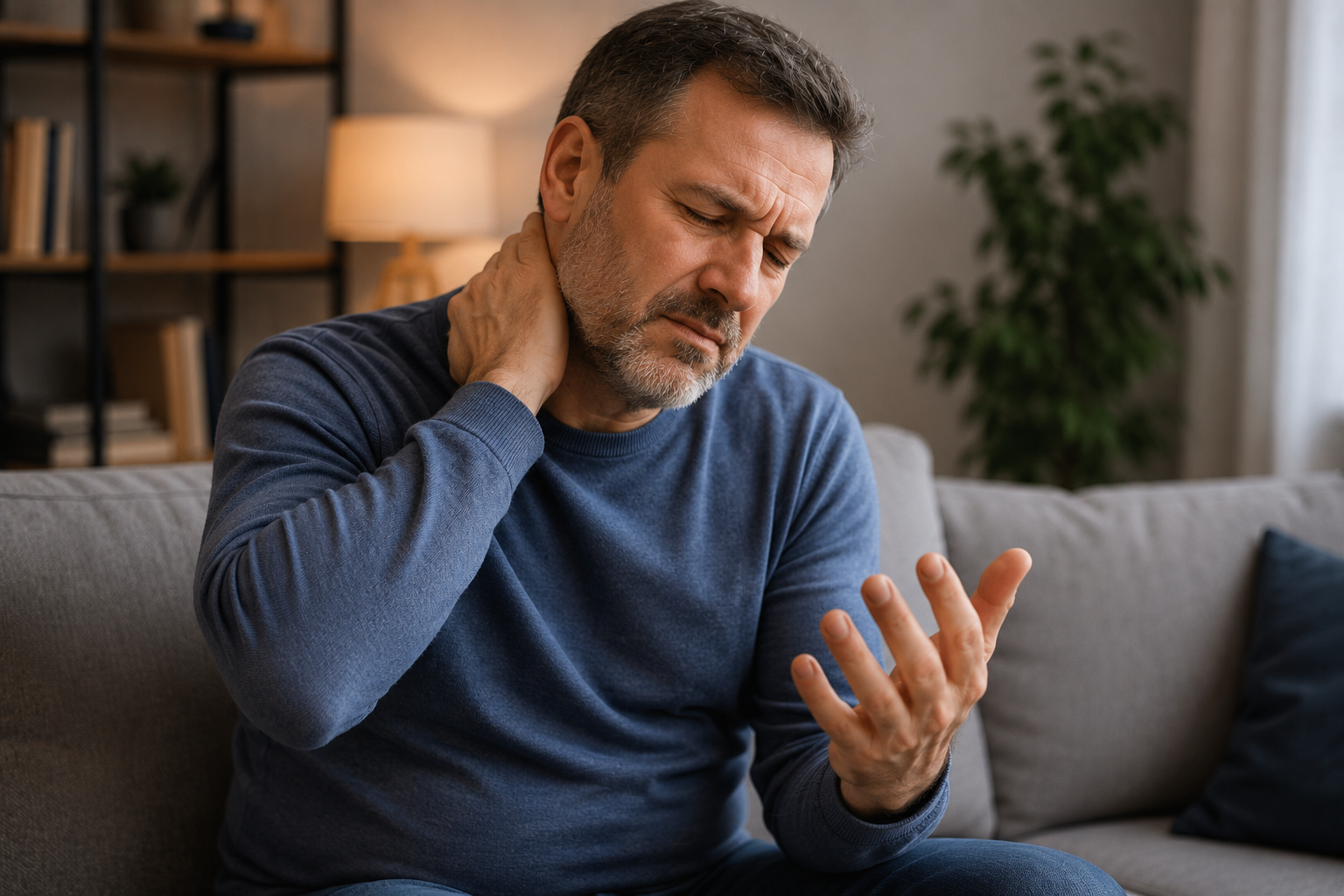
Many people notice cracking, popping, or clicking sounds in their neck when turning their head. For some, these sounds occur occasionally, while for others they accompany almost every movement. In most cases, neck cracking is harmless. However, it can sometimes be associated with dysfunction of the muscles, joints, or ligaments of the cervical spine.
To determine whether the condition requires professional attention, it is important to consider not only the presence of neck sounds but also any accompanying symptoms.
Why Does Neck Cracking Occur?
Several factors may contribute to the characteristic sounds heard during neck movement.
Sedentary Lifestyle
Long hours spent sitting at a computer and insufficient physical activity can lead to muscle tension and reduced mobility of the cervical joints.
Muscle Imbalances
Weakness in some muscles combined with excessive tension in others may alter normal movement patterns and joint mechanics.
Poor Posture
A forward head position places additional stress on the cervical spine and surrounding muscles.
Increased Joint Mobility
Some individuals naturally have greater joint flexibility, which may result in clicking or popping sounds during movement.
Age-Related Changes
Natural changes in the spine that occur with aging can also contribute to neck cracking.
When Is Neck Cracking Considered Normal?
In most cases, neck cracking does not require treatment if:
In such situations, the sounds are often related to normal joint movement and individual anatomical characteristics.
Which Symptoms Require Attention?
A specialist should be consulted if neck cracking is accompanied by:
These symptoms may indicate underlying musculoskeletal or neurological issues that require evaluation.
How to Improve Cervical Spine Health
Regular Physical Activity
Movement helps maintain healthy joint mobility, improves circulation, and supports normal muscle function.
Kinesitherapy
Individually prescribed exercises can strengthen the neck muscles and restore proper movement mechanics.
Benefits may include:
Posture Correction
Maintaining proper head and spinal alignment helps reduce excessive stress on the cervical spine.
Simple ergonomic adjustments can significantly improve comfort during daily activities.
Therapeutic Exercise
Regular exercise programs help:
Preventing Neck Problems
To support long-term cervical spine health, it is recommended to:
Consistent movement and preventive care can help reduce the risk of chronic discomfort and mobility restrictions.
The Importance of Early Assessment
Although neck cracking is often harmless, persistent symptoms should not be ignored.
Early assessment allows specialists to:
Addressing minor issues early may help prevent more significant problems in the future.
Conclusion
Neck cracking is not always a sign of disease. In many cases, it is simply a normal feature of joint movement. However, when accompanied by pain, restricted mobility, numbness, dizziness, or other symptoms, professional evaluation is recommended.
Understanding the cause of the symptoms is the first step toward maintaining healthy neck function and preventing chronic discomfort.
Cervical Spine Rehabilitation at the Bubnovsky Center
The Bubnovsky Center in Riga utilizes modern kinesitherapy and rehabilitation methods to restore cervical spine mobility, reduce pain, improve posture, and enhance overall quality of life.
Individualized rehabilitation programs are designed to help patients strengthen supporting muscles, improve movement quality, and maintain long-term spinal health.
Many people notice cracking, popping, or clicking sounds in their neck when turning their head. For some, these sounds occur occasionally, while for others they accompany almost every movement. In most cases, neck cracking is harmless. However, it can sometimes be associated with dysfunction of the muscles, joints, or ligaments of the cervical spine.
To determine whether the condition requires professional attention, it is important to consider not only the presence of neck sounds but also any accompanying symptoms.
Why Does Neck Cracking Occur?
Several factors may contribute to the characteristic sounds heard during neck movement.
Sedentary Lifestyle
Long hours spent sitting at a computer and insufficient physical activity can lead to muscle tension and reduced mobility of the cervical joints.
Muscle Imbalances
Weakness in some muscles combined with excessive tension in others may alter normal movement patterns and joint mechanics.
Poor Posture
A forward head position places additional stress on the cervical spine and surrounding muscles.
Increased Joint Mobility
Some individuals naturally have greater joint flexibility, which may result in clicking or popping sounds during movement.
Age-Related Changes
Natural changes in the spine that occur with aging can also contribute to neck cracking.
When Is Neck Cracking Considered Normal?
In most cases, neck cracking does not require treatment if:
- There is no pain
- Neck movement remains unrestricted
- There is no dizziness
- There is no numbness in the arms
- The sounds occur occasionally
- Symptoms do not worsen over time
In such situations, the sounds are often related to normal joint movement and individual anatomical characteristics.
Which Symptoms Require Attention?
A specialist should be consulted if neck cracking is accompanied by:
- Neck pain
- Frequent headaches
- Reduced mobility
- Numbness in the arms or hands
- Weakness in the upper limbs
- Dizziness
- Tension in the shoulders and upper back
These symptoms may indicate underlying musculoskeletal or neurological issues that require evaluation.
How to Improve Cervical Spine Health
Regular Physical Activity
Movement helps maintain healthy joint mobility, improves circulation, and supports normal muscle function.
Kinesitherapy
Individually prescribed exercises can strengthen the neck muscles and restore proper movement mechanics.
Benefits may include:
- Improved spinal stability
- Better posture
- Reduced muscle tension
- Enhanced mobility
- Improved functional movement
Posture Correction
Maintaining proper head and spinal alignment helps reduce excessive stress on the cervical spine.
Simple ergonomic adjustments can significantly improve comfort during daily activities.
Therapeutic Exercise
Regular exercise programs help:
- Reduce muscle tension
- Improve flexibility
- Strengthen supporting muscles
- Maintain healthy movement patterns
Preventing Neck Problems
To support long-term cervical spine health, it is recommended to:
- Take regular breaks when working at a computer
- Maintain good posture
- Perform neck mobility exercises regularly
- Strengthen the back and shoulder muscles
- Avoid staying in one position for prolonged periods
Consistent movement and preventive care can help reduce the risk of chronic discomfort and mobility restrictions.
The Importance of Early Assessment
Although neck cracking is often harmless, persistent symptoms should not be ignored.
Early assessment allows specialists to:
- Identify movement dysfunctions
- Detect muscle imbalances
- Evaluate spinal mobility
- Develop an individualized rehabilitation plan
Addressing minor issues early may help prevent more significant problems in the future.
Conclusion
Neck cracking is not always a sign of disease. In many cases, it is simply a normal feature of joint movement. However, when accompanied by pain, restricted mobility, numbness, dizziness, or other symptoms, professional evaluation is recommended.
Understanding the cause of the symptoms is the first step toward maintaining healthy neck function and preventing chronic discomfort.
Cervical Spine Rehabilitation at the Bubnovsky Center
The Bubnovsky Center in Riga utilizes modern kinesitherapy and rehabilitation methods to restore cervical spine mobility, reduce pain, improve posture, and enhance overall quality of life.
Individualized rehabilitation programs are designed to help patients strengthen supporting muscles, improve movement quality, and maintain long-term spinal health.