Lumbar Osteochondrosis: Causes of Lower Back Pain and Movement Recovery in Riga
Does your lower back hurt after sitting for a long time? Is it difficult to bend forward or straighten your back after lifting something heavy? Sometimes, pain appears suddenly, like a sharp shooting sensation, and radiates into the buttock or leg. These symptoms can make walking, working and performing everyday activities difficult.
Such symptoms may accompany degenerative changes in the lumbar spine, often referred to as osteochondrosis. However, changes visible on imaging scans are not always responsible for the pain. Effective treatment begins with identifying what is actually causing the symptoms.
At the Dr. Bubnovsky Centre in Riga, a doctor assesses lumbar mobility, muscle condition and tolerance to physical activity. If kinesiotherapy is appropriate, an individual exercise programme is developed to help restore movement and physical function.
What Causes Lumbar Osteochondrosis?
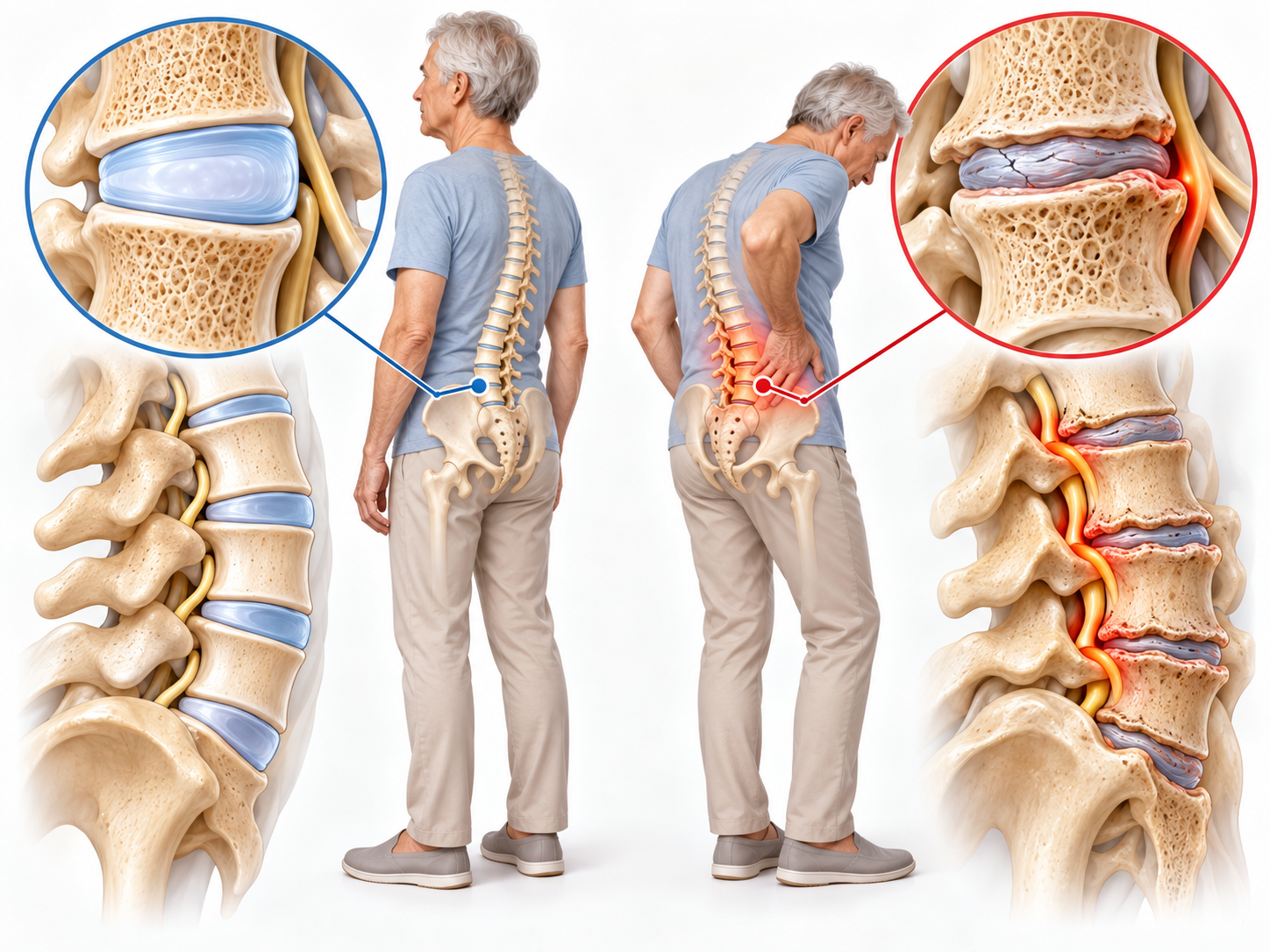
The lumbar spine is exposed to considerable physical stress every day. Over time, intervertebral discs may lose some of their water content and elasticity, leading to changes in their height and structure. These processes are known as degenerative changes.
They may be associated with ageing, genetics, previous injuries and other factors. Insufficient physical activity and poor muscular endurance do not necessarily cause disc degeneration, but they can affect the body's ability to tolerate physical loads and contribute to pain.
Lower back pain may also originate from muscles, spinal joints or irritation of nerve roots.
The most common symptoms include:
- Pain and stiffness in the lower back, especially after prolonged sitting.
- Sharp pain when bending, twisting or lifting objects.
- Muscle tension and restricted movement in the back.
- Pain radiating into the buttock or leg.
- Tingling, numbness or weakness in the leg when nerve structures are affected.
It is important to understand that degenerative changes are also common in people who experience no pain. Therefore, a diagnosis should not be based solely on MRI or X-ray findings.
When Is Urgent Medical Attention Necessary?
If lower back pain is accompanied by new or worsening weakness in the legs, urgent medical attention is required.
Particularly concerning symptoms include loss of sensation around the groin or perineum, difficulty urinating, or loss of bladder or bowel control. These symptoms may indicate serious compression of nerve structures.
Severe pain following an injury, or back pain accompanied by a high fever or significant deterioration in general health, also requires immediate medical assessment.
In these situations, exercise should not be started until a medical examination has been completed.
Why Can Lower Back Pain Radiate into the Leg?
Degenerative changes in the lumbar spine can sometimes cause irritation or compression of a nerve root. For example, this may occur with a herniated intervertebral disc.
In such cases, pain may travel from the lower back through the buttock and along the back or side of the leg, sometimes reaching the foot. This condition is commonly called sciatica or lumbosacral radiculopathy.
The pain may be accompanied by numbness, tingling and reduced muscle strength. However, not all leg pain originates from the spine.
The treatment approach depends on the severity of symptoms, neurological examination findings and the extent to which pain limits movement.
How Is the Cause of Lower Back Pain Diagnosed?
The doctor asks when the pain started, whether it is associated with an injury or physical activity, where it spreads and which movements make the symptoms worse.
During the examination, lumbar mobility, muscle strength, sensation and neurological signs are assessed. If necessary, reflexes and specific functional tests are also performed.
X-rays or magnetic resonance imaging (MRI) are recommended when medically indicated. For uncomplicated lower back pain without warning signs, MRI is not always necessary because the changes identified may not explain the patient's symptoms.
If there are signs of significant nerve root involvement or another serious condition, the doctor determines whether additional investigations are needed. This approach is consistent with NICE guidelines for the assessment and management of lower back pain.
How Can Kinesiotherapy Help?
Kinesiotherapy is a therapeutic approach based on movement and exercise. For lower back pain, appropriately selected exercises can help gradually restore mobility, strengthen muscles and improve the spine's ability to tolerate everyday physical activities.
At the Dr. Bubnovsky Centre, an individual programme may include:
- Exercises to strengthen the back, abdominal and pelvic muscles.
- Restoring mobility in the lumbar spine and hip joints.
- Gradually developing muscle strength and endurance.
- Learning appropriate movement techniques for everyday physical activities.
- Returning to normal levels of physical activity.
Sessions involve multifunctional Bubnovsky exercise machines (MTB), which allow resistance to be adjusted according to the patient's condition. Some exercises can be performed without placing significant vertical loads on the spine.
A specialist monitors exercise technique, breathing and the patient's response to physical activity. If a movement increases symptoms, the exercise is modified or the resistance is reduced.
Regular exercise is among the interventions recommended by the World Health Organization for chronic primary lower back pain. However, its effectiveness depends on the individual's condition and the selection of an appropriate exercise programme.
Kinesiotherapy cannot reverse existing degenerative changes in intervertebral discs, but it may help reduce pain, improve physical function and support a return to normal daily activities.
What Happens During an Initial Consultation at the Dr. Bubnovsky Centre in Riga?
During the initial consultation, a doctor specialising in physical and rehabilitation medicine discusses the patient's symptoms, usual physical activities and available examination results.
A functional and myofascial assessment is then performed to evaluate spinal movements, muscle condition, tissue tenderness and possible movement limitations.
If the patient's condition allows, a strength assessment is performed using exercise equipment in the training area. Based on the results, the doctor determines whether kinesiotherapy is appropriate, which exercises are suitable and what level of physical activity should be used initially.
If necessary, the specialist recommends additional examinations or consultation with another medical professional.
During exercise sessions, an instructor monitors movement technique and tolerance to physical activity. The programme is adjusted according to the patient's condition and progress.
Frequently Asked Questions
Can I exercise if I have lower back pain?
In many cases, moderate physical activity is beneficial. However, it is important to identify the cause of the pain first. If there are significant neurological symptoms, a recent injury or suspicion of a serious medical condition, exercise should not be started before a medical assessment.
Can lumbar osteochondrosis be treated without medication?
For some types of lower back pain, exercise and changes in movement habits may form the basis of recovery. However, medication is sometimes necessary to manage symptoms. Treatment decisions depend on the patient's condition and should not be based on a complete rejection of medication.
Do I need an MRI before starting exercise sessions?
Not always. A clinical examination is usually performed first. If the doctor identifies signs of nerve involvement or suspects another condition, they will determine whether MRI or other investigations are necessary.
How long does recovery take?
Recovery time depends on the cause of pain, how long symptoms have been present and the patient's physical condition. Some people notice improvements relatively quickly, while others require a longer rehabilitation period. The doctor assesses progress during follow-up consultations and adjusts the programme when necessary.
Book Your Initial Consultation
If lower back pain makes it difficult to sit for long periods, bend, walk or carry out everyday activities, consider booking a consultation at the Dr. Bubnovsky Centre in Riga.
The doctor will assess the condition of your spine and muscles, identify possible limitations and explain how to begin restoring movement safely.
Book an appointment: bubnovsky.lv or call +371 23 271 732.
When purchasing a 12-session treatment programme, the initial consultation is provided free of charge. Follow-up consultations with the treating doctor take place after the 6th and 11th sessions to assess progress and adjust the exercise programme.
This article is for informational purposes only and does not replace professional medical advice.