Lumbar Disc Herniation
Lumbar disc herniation is one of the most common diagnoses among patients seeking help for back pain. Specialists at the Bubnovsky Center have many years of experience in the non-surgical treatment of herniated discs and help patients reduce pain and restore mobility without medication, injections, or surgery.
Symptoms of Lumbar Disc Herniation
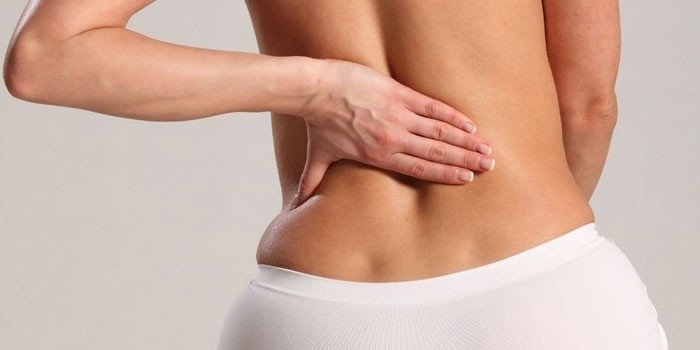
The main symptoms of lumbar disc herniation include pain and restricted mobility in the lower back.
Common signs of a herniated disc include:
Pain often radiates to other areas, including:
Many patients also experience:
In more severe cases, changes in bladder or bowel function may occur. Such symptoms require immediate medical evaluation.
Why Does a Herniated Disc Develop?
In many cases, a sedentary lifestyle and insufficient physical activity contribute to the development of lumbar disc herniation.
When a person spends long periods sitting and moves very little, the deep spinal muscles gradually lose their functional capacity.
This may lead to:
As circulation decreases, intervertebral discs may receive fewer nutrients and less hydration. Over time, they lose some of their shock-absorbing properties, become less resilient, and may begin to deform.
This process can contribute to local inflammation, pain, and limited mobility.
Why Pain Medication Does Not Solve the Problem
Traditional treatment approaches often include:
Patients with severe symptoms are sometimes referred to a neurosurgeon to discuss surgical options.
However, medications primarily help reduce symptoms temporarily and do not address the underlying functional causes of the condition.
Surgery may be necessary in certain situations, but it is not always the only solution and may involve:
For this reason, many patients seek effective conservative treatment options.
Treatment Using the Bubnovsky Method
The Bubnovsky Center uses kinesitherapy—a method based on treatment through individually prescribed movement and exercise.
The goal of the method is not only to reduce pain but also to restore proper muscle function and spinal mechanics.
The main objectives include:
By addressing multiple contributing factors, kinesitherapy aims to improve both symptoms and overall spinal function.
Individual Assessment and Diagnosis
Treatment begins with a consultation with a kinesitherapy physician.
During the initial visit, patients undergo:
Based on the findings, an individualized rehabilitation program is created according to the patient's condition, abilities, and stage of the disorder.
Training on the Bubnovsky Multifunctional Trainer (MTB)
A significant part of rehabilitation takes place in a specialized exercise facility under the supervision of instructors and kinesitherapy specialists.
Exercises are performed using the Bubnovsky Multifunctional Trainer (MTB).
Benefits of the MTB system include:
Unlike traditional exercise programs or passive treatments, the MTB system is designed to target deep stabilizing muscles that support spinal health and movement.
Treatment Results
Regular participation in a rehabilitation program may contribute to:
As muscle balance improves, spasms decrease, inflammation subsides, and pain may gradually diminish.
Many patients are able to return to daily activities with greater comfort, confidence, and freedom of movement.
Do Not Delay Treatment
If you have been diagnosed with lumbar disc herniation, it is important not to ignore persistent symptoms or assume that surgery is the only option.
The Bubnovsky Center in Riga helps patients with herniated discs, chronic back pain, numbness in the limbs, and mobility limitations. Following a comprehensive assessment, an individualized rehabilitation program is developed to address the underlying causes of dysfunction and support long-term recovery.
The earlier appropriate treatment begins, the greater the opportunity to maintain spinal health, improve mobility, and avoid unnecessary complications.
Bubnovsky Center in Riga
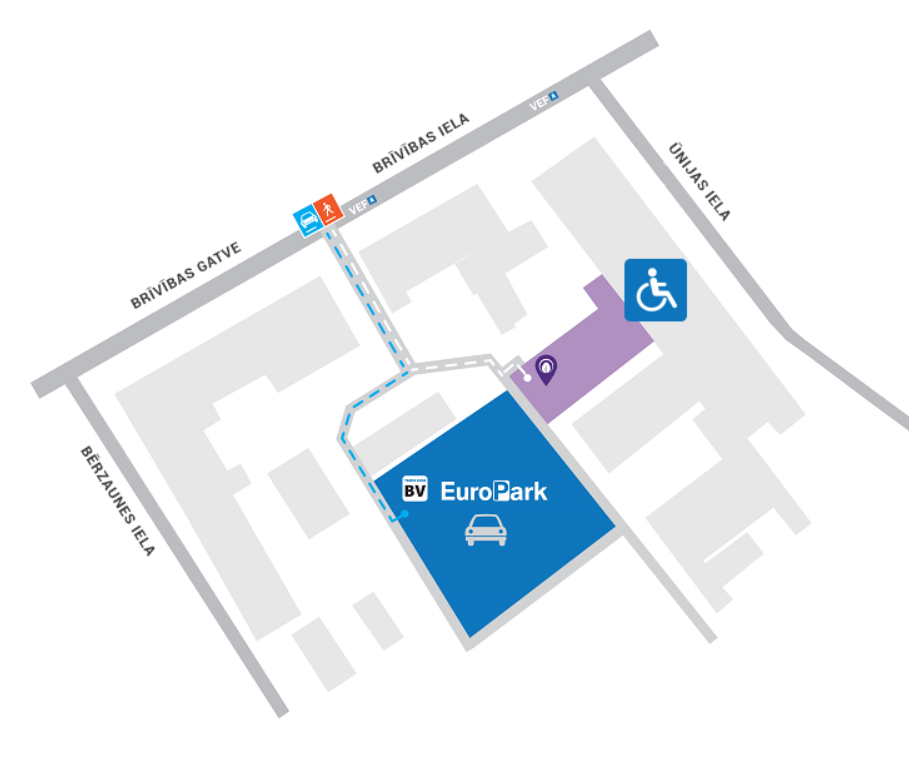
📍 Brīvības gatve 214B, Riga, Latvia
📞 +371 23 271 732
🌐 bubnovsky.lv
Book a consultation to learn how a personalized kinesitherapy program can help restore movement, improve function, and support long-term spinal health.
Lumbar disc herniation is one of the most common diagnoses among patients seeking help for back pain. Specialists at the Bubnovsky Center have many years of experience in the non-surgical treatment of herniated discs and help patients reduce pain and restore mobility without medication, injections, or surgery.
Symptoms of Lumbar Disc Herniation
The main symptoms of lumbar disc herniation include pain and restricted mobility in the lower back.
Common signs of a herniated disc include:
- Lower back pain
- Sharp shooting pain during bending or twisting movements
- Increased pain during physical activity
- Discomfort when sitting or standing for long periods
- Reduced spinal mobility
Pain often radiates to other areas, including:
- The buttock
- The thigh
- The lower leg
- The foot
Many patients also experience:
- Numbness in the toes
- Tingling sensations
- Reduced sensitivity
- Muscle weakness in the leg
- Fatigue during walking
In more severe cases, changes in bladder or bowel function may occur. Such symptoms require immediate medical evaluation.
Why Does a Herniated Disc Develop?
In many cases, a sedentary lifestyle and insufficient physical activity contribute to the development of lumbar disc herniation.
When a person spends long periods sitting and moves very little, the deep spinal muscles gradually lose their functional capacity.
This may lead to:
- Chronic muscle tension
- Spasms of the deep back muscles
- Reduced blood circulation
- Impaired metabolic processes
- Poor nourishment of spinal tissues
As circulation decreases, intervertebral discs may receive fewer nutrients and less hydration. Over time, they lose some of their shock-absorbing properties, become less resilient, and may begin to deform.
This process can contribute to local inflammation, pain, and limited mobility.
Why Pain Medication Does Not Solve the Problem
Traditional treatment approaches often include:
- Pain-relieving medications
- Anti-inflammatory drugs
- Therapeutic injections
Patients with severe symptoms are sometimes referred to a neurosurgeon to discuss surgical options.
However, medications primarily help reduce symptoms temporarily and do not address the underlying functional causes of the condition.
Surgery may be necessary in certain situations, but it is not always the only solution and may involve:
- A lengthy recovery period
- Potential complications
- Significant physical stress on the body
- Risk of symptom recurrence
For this reason, many patients seek effective conservative treatment options.
Treatment Using the Bubnovsky Method
The Bubnovsky Center uses kinesitherapy—a method based on treatment through individually prescribed movement and exercise.
The goal of the method is not only to reduce pain but also to restore proper muscle function and spinal mechanics.
The main objectives include:
- Reducing muscle spasms
- Improving circulation
- Enhancing nourishment of intervertebral discs
- Strengthening the muscular support system
- Improving spinal mobility
- Reducing inflammation
- Slowing disease progression
By addressing multiple contributing factors, kinesitherapy aims to improve both symptoms and overall spinal function.
Individual Assessment and Diagnosis
Treatment begins with a consultation with a kinesitherapy physician.
During the initial visit, patients undergo:
- Myofascial assessment
- Functional movement testing
- Evaluation of muscles and ligaments
- Review of MRI, CT scans, and other diagnostic studies
Based on the findings, an individualized rehabilitation program is created according to the patient's condition, abilities, and stage of the disorder.
Training on the Bubnovsky Multifunctional Trainer (MTB)
A significant part of rehabilitation takes place in a specialized exercise facility under the supervision of instructors and kinesitherapy specialists.
Exercises are performed using the Bubnovsky Multifunctional Trainer (MTB).
Benefits of the MTB system include:
- Activation of deep spinal muscles
- No axial compression on the spine
- Safe exercise performance
- Individually adjustable resistance
- Comfortable training conditions
Unlike traditional exercise programs or passive treatments, the MTB system is designed to target deep stabilizing muscles that support spinal health and movement.
Treatment Results
Regular participation in a rehabilitation program may contribute to:
- Reduced pain
- Improved spinal mobility
- Better posture
- Increased flexibility of muscles and ligaments
- Improved circulation
- Enhanced support of spinal structures
- Reduced risk of symptom flare-ups
As muscle balance improves, spasms decrease, inflammation subsides, and pain may gradually diminish.
Many patients are able to return to daily activities with greater comfort, confidence, and freedom of movement.
Do Not Delay Treatment
If you have been diagnosed with lumbar disc herniation, it is important not to ignore persistent symptoms or assume that surgery is the only option.
The Bubnovsky Center in Riga helps patients with herniated discs, chronic back pain, numbness in the limbs, and mobility limitations. Following a comprehensive assessment, an individualized rehabilitation program is developed to address the underlying causes of dysfunction and support long-term recovery.
The earlier appropriate treatment begins, the greater the opportunity to maintain spinal health, improve mobility, and avoid unnecessary complications.
Bubnovsky Center in Riga
📍 Brīvības gatve 214B, Riga, Latvia
📞 +371 23 271 732
🌐 bubnovsky.lv
Book a consultation to learn how a personalized kinesitherapy program can help restore movement, improve function, and support long-term spinal health.