Why Kinesitherapy Is Important for Construction Workers, Movers, and Installers
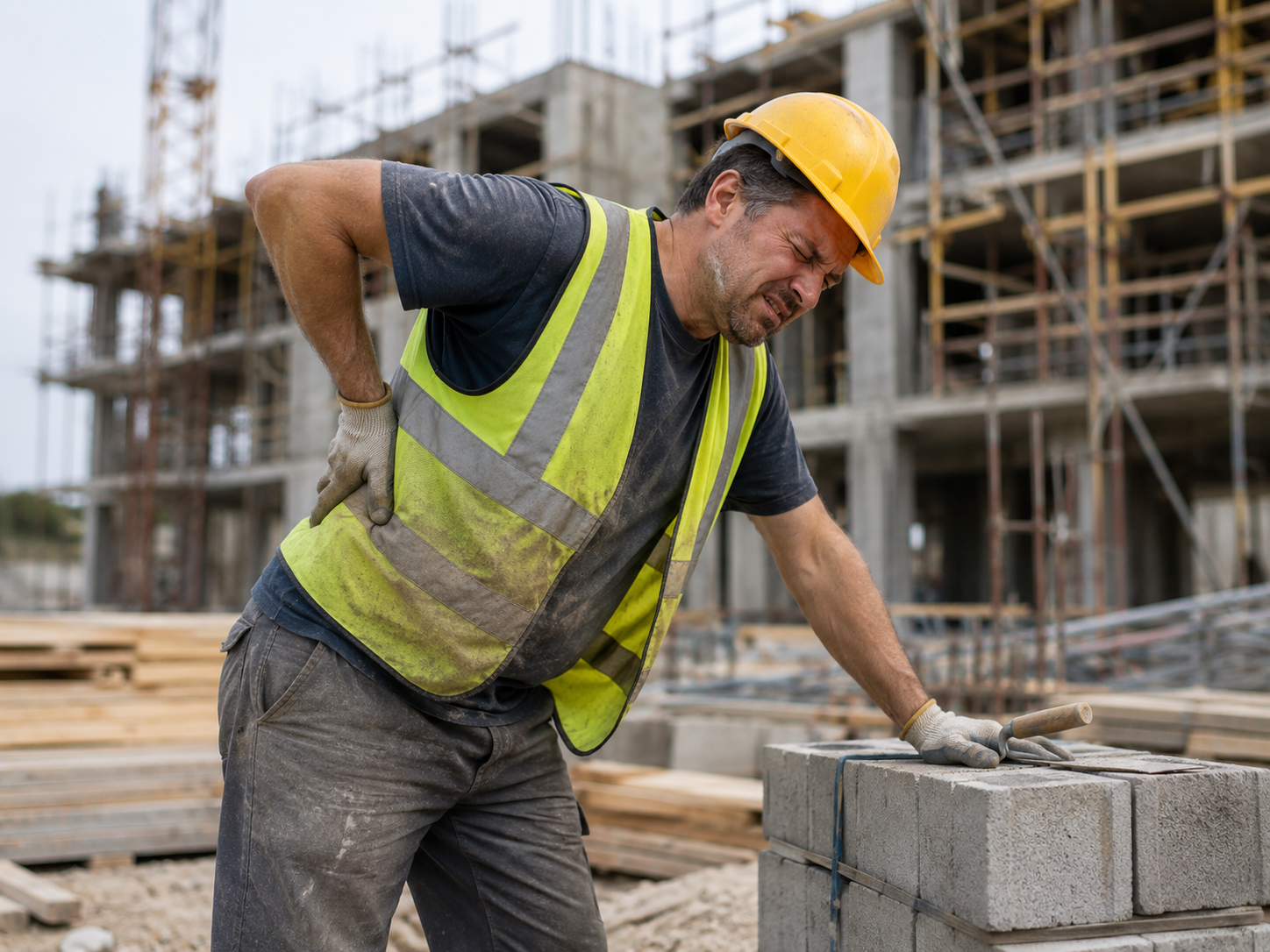
Professions that involve physical labor place significant daily stress on the spine, joints, and muscles. Heavy lifting, working in awkward positions, repetitive bending, carrying loads, and prolonged physical exertion can accelerate wear and tear on the musculoskeletal system.
The Bubnovsky Center helps construction workers, movers, and installers restore physical health, reduce pain, and improve endurance through modern kinesitherapy and physiotherapy methods.
How Physical Labor Affects the Body
Construction and installation work require strength, coordination, balance, and endurance. The greatest physical stress is typically placed on:
Frequent lifting and working in bent or awkward positions increase the risk of chronic overload and injury.
Common Problems Among Construction Workers and Movers
When high physical demands are combined with insufficient recovery, various musculoskeletal problems may develop.
The most common include:
Over time, these conditions can affect work performance, physical capacity, and overall quality of life.
How Kinesitherapy Helps
Kinesitherapy focuses on restoring proper muscle and joint function through safe, controlled, and individualized physical activity.
During treatment and rehabilitation programs:
At the Bubnovsky Center, each exercise program is individually tailored according to the patient's profession, workload, and physical condition.
Injury Prevention in Physically Demanding Jobs
Regular physical conditioning plays an essential role in reducing the risk of injuries and overuse problems.
A strong muscular support system and proper movement mechanics help:
Preventive training can help workers remain healthy and productive for many years.
Why the First Symptoms Should Not Be Ignored
Many people engaged in physical labor become accustomed to working through pain and discomfort.
However, ignoring early warning signs often leads to chronic problems that become increasingly difficult to treat.
Symptoms that should not be overlooked include:
Early intervention and preventive rehabilitation can help avoid long-term complications and preserve physical capacity.
Building Strength and Endurance for Daily Work
Physically demanding professions require more than strength alone. Proper endurance, flexibility, and movement control are equally important.
Regular kinesitherapy helps:
A well-conditioned body is better equipped to handle the demands of heavy physical work while reducing the likelihood of injury.
Long-Term Musculoskeletal Health
Protecting spinal and joint health is essential for maintaining a long and productive career in physically demanding occupations.
By combining rehabilitation, strengthening exercises, mobility training, and preventive care, workers can:
Consistent attention to musculoskeletal health can significantly improve both work performance and overall well-being.
The Bubnovsky Center in Riga
The Bubnovsky Center in Riga helps construction workers, movers, installers, and other physical labor professionals restore musculoskeletal health and reduce the effects of occupational strain through modern kinesitherapy and physiotherapy methods.
Each rehabilitation program is developed individually, helping patients reduce pain, improve mobility, strengthen muscles, and maintain long-term physical health.
Book your initial consultation at bubnovsky.lv or call +371 23271732.
When purchasing a package of 12 sessions, you will receive a free initial consultation as well as two follow-up consultations with your physician after the 6th and 11th sessions to assess progress and adjust your rehabilitation program.
Professions that involve physical labor place significant daily stress on the spine, joints, and muscles. Heavy lifting, working in awkward positions, repetitive bending, carrying loads, and prolonged physical exertion can accelerate wear and tear on the musculoskeletal system.
The Bubnovsky Center helps construction workers, movers, and installers restore physical health, reduce pain, and improve endurance through modern kinesitherapy and physiotherapy methods.
How Physical Labor Affects the Body
Construction and installation work require strength, coordination, balance, and endurance. The greatest physical stress is typically placed on:
- The spine, particularly the lower back
- The shoulder girdle
- The knee joints
- The hands and forearms
- The core and back muscles
Frequent lifting and working in bent or awkward positions increase the risk of chronic overload and injury.
Common Problems Among Construction Workers and Movers
When high physical demands are combined with insufficient recovery, various musculoskeletal problems may develop.
The most common include:
- Lower back pain
- Disc protrusions and herniated discs
- Joint inflammation
- Muscle and ligament strains
- Chronic fatigue
- Reduced mobility
Over time, these conditions can affect work performance, physical capacity, and overall quality of life.
How Kinesitherapy Helps
Kinesitherapy focuses on restoring proper muscle and joint function through safe, controlled, and individualized physical activity.
During treatment and rehabilitation programs:
- Deep spinal muscles are strengthened
- Spinal stability improves
- Muscle tension decreases
- Physical endurance increases
- Joint mobility improves
- Recovery after physical work becomes more efficient
At the Bubnovsky Center, each exercise program is individually tailored according to the patient's profession, workload, and physical condition.
Injury Prevention in Physically Demanding Jobs
Regular physical conditioning plays an essential role in reducing the risk of injuries and overuse problems.
A strong muscular support system and proper movement mechanics help:
- Reduce stress on the spine
- Improve resistance to physical strain
- Lower the risk of muscle and ligament injuries
- Enhance coordination
- Promote faster recovery after work shifts
Preventive training can help workers remain healthy and productive for many years.
Why the First Symptoms Should Not Be Ignored
Many people engaged in physical labor become accustomed to working through pain and discomfort.
However, ignoring early warning signs often leads to chronic problems that become increasingly difficult to treat.
Symptoms that should not be overlooked include:
- Persistent back pain
- Joint stiffness
- Muscle weakness
- Reduced mobility
- Pain during lifting or movement
- Frequent fatigue after work
Early intervention and preventive rehabilitation can help avoid long-term complications and preserve physical capacity.
Building Strength and Endurance for Daily Work
Physically demanding professions require more than strength alone. Proper endurance, flexibility, and movement control are equally important.
Regular kinesitherapy helps:
- Improve overall physical resilience
- Enhance movement efficiency
- Support healthy posture
- Maintain flexibility
- Reduce excessive strain on joints and muscles
- Increase energy levels throughout the workday
A well-conditioned body is better equipped to handle the demands of heavy physical work while reducing the likelihood of injury.
Long-Term Musculoskeletal Health
Protecting spinal and joint health is essential for maintaining a long and productive career in physically demanding occupations.
By combining rehabilitation, strengthening exercises, mobility training, and preventive care, workers can:
- Stay physically active longer
- Reduce the risk of chronic pain
- Improve recovery capacity
- Maintain independence and quality of life
Consistent attention to musculoskeletal health can significantly improve both work performance and overall well-being.
The Bubnovsky Center in Riga
The Bubnovsky Center in Riga helps construction workers, movers, installers, and other physical labor professionals restore musculoskeletal health and reduce the effects of occupational strain through modern kinesitherapy and physiotherapy methods.
Each rehabilitation program is developed individually, helping patients reduce pain, improve mobility, strengthen muscles, and maintain long-term physical health.
Book your initial consultation at bubnovsky.lv or call +371 23271732.
When purchasing a package of 12 sessions, you will receive a free initial consultation as well as two follow-up consultations with your physician after the 6th and 11th sessions to assess progress and adjust your rehabilitation program.