Rehabilitation After Joint Replacement Surgery
The specialists at the Dr. Bubnovsky Center have developed a specialized kinesitherapy program to help patients prepare for joint replacement surgery and complete a comprehensive rehabilitation course following endoprosthetic joint replacement.
Through targeted rehabilitation exercises, patients not only tolerate surgery more easily but also recover faster, often returning to their normal lifestyle and work within a few months.
Endoprosthetic replacement involves the implantation of artificial materials, such as blood vessels or joint prostheses, into the body. The most commonly replaced joints include:
Hip joint disorders and degenerative changes in the knee joints are among the most common musculoskeletal conditions.
Main Causes of Joint Damage
Joint replacement surgery is performed when joint damage becomes irreversible.
The most common causes include:
Problems affecting major joints often begin after injuries, excessive physical strain, or improperly treated arthritis, particularly when symptoms are relieved but proper rehabilitation is not completed.
Insufficiently treated reactive arthritis may lead to chronic inflammation, joint deformity, and persistent pain.
In cases of Grade III osteoarthritis, when severe joint deformity significantly limits mobility, joint replacement surgery may become necessary.
Main Stages of Recovery
Patient care should follow a structured rehabilitation pathway:
Preparation for Joint Replacement Surgery
During the preparation phase, specialists at the Dr. Bubnovsky Center perform:
The primary goal of preoperative preparation is to improve the condition of:
This stage is particularly important because joint replacement surgery is often associated with significant blood loss.
An individualized exercise program helps improve the body's recovery capacity and supports faster postoperative rehabilitation.
Rehabilitation After Joint Replacement
Rehabilitation begins as early as the day following surgery under the supervision of a physical therapy specialist.
After discharge from the hospital, patients can continue their recovery at the Dr. Bubnovsky Center.
The primary rehabilitation goals are:
Rehabilitation Stages
Stage One
The first phase utilizes basic rehabilitation equipment and exercises that do not require unrestricted joint movement.
The main objectives are:
Stage Two
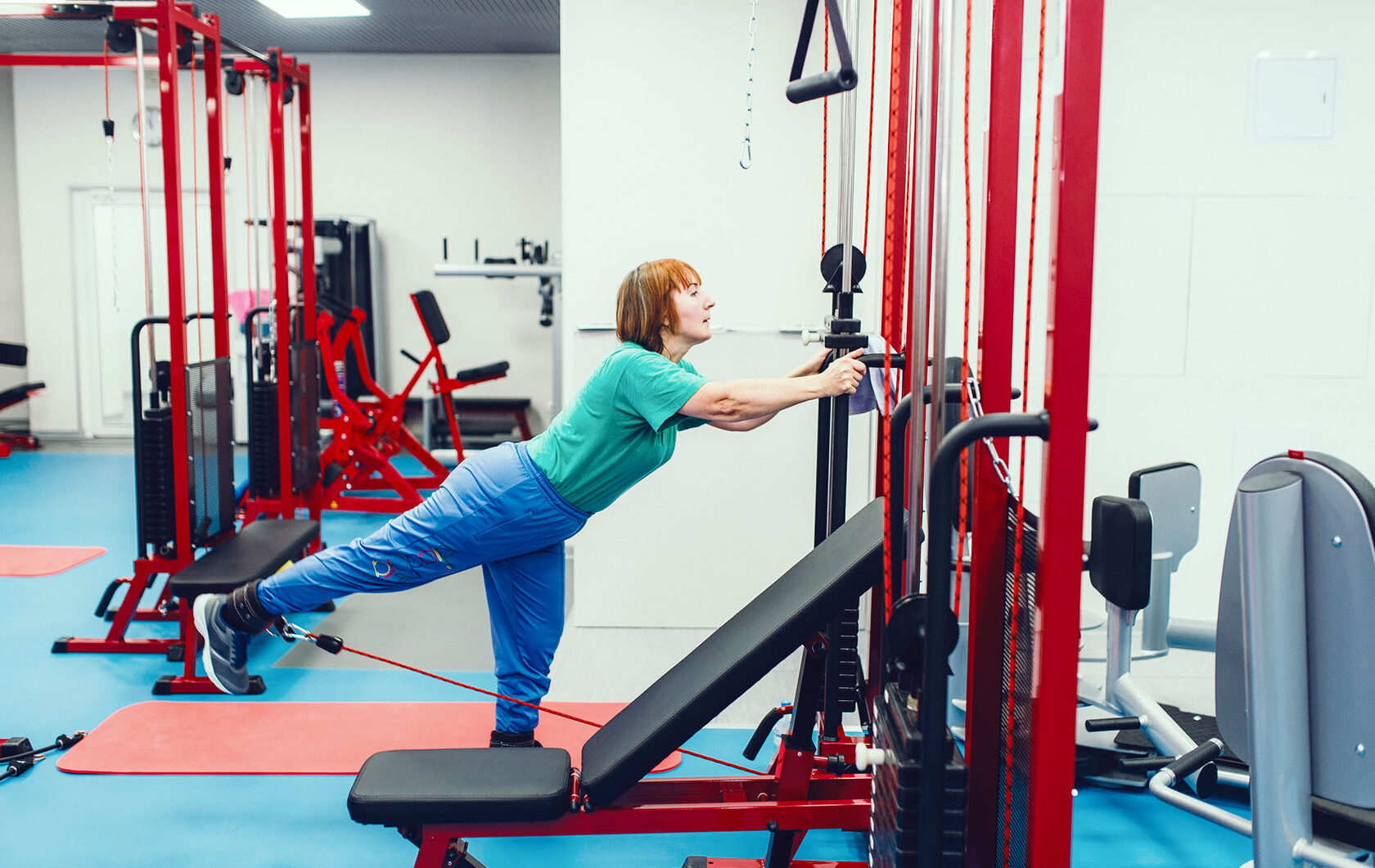
Additional exercises are introduced using the Bubnovsky Multifunctional Training Machine (MTB).
The MTB system helps:
All sessions are supervised by both an instructor and a kinesitherapy physician.
Stage Three
The final stage focuses on:
Additional recovery methods may include:
Returning to an Active Life
Comprehensive rehabilitation after joint replacement surgery helps restore mobility, strengthen muscles, and significantly improve quality of life.
The specialists at the Dr. Bubnovsky Center in Riga guide patients safely through every stage of recovery, helping them return to an active and fulfilling lifestyle.
Book your initial consultation at bubnovsky.lv or call +371 23271732.
When purchasing a package of 12 rehabilitation sessions, you will receive a free initial consultation and two follow-up consultations with your physician after the 6th and 11th sessions to evaluate progress and adjust your rehabilitation program when necessary.
The specialists at the Dr. Bubnovsky Center have developed a specialized kinesitherapy program to help patients prepare for joint replacement surgery and complete a comprehensive rehabilitation course following endoprosthetic joint replacement.
Through targeted rehabilitation exercises, patients not only tolerate surgery more easily but also recover faster, often returning to their normal lifestyle and work within a few months.
Endoprosthetic replacement involves the implantation of artificial materials, such as blood vessels or joint prostheses, into the body. The most commonly replaced joints include:
- Hip joints
- Knee joints
- Shoulder joints
Hip joint disorders and degenerative changes in the knee joints are among the most common musculoskeletal conditions.
Main Causes of Joint Damage
Joint replacement surgery is performed when joint damage becomes irreversible.
The most common causes include:
- Traumatic injuries
- Osteoarthritis
- Rheumatoid arthritis
- Complications of septic arthritis
- Hip dysplasia
- Tumors
- Femoral neck fractures
- Chronic arthrosis
- Age-related degenerative changes
- Previous infectious diseases
Problems affecting major joints often begin after injuries, excessive physical strain, or improperly treated arthritis, particularly when symptoms are relieved but proper rehabilitation is not completed.
Insufficiently treated reactive arthritis may lead to chronic inflammation, joint deformity, and persistent pain.
In cases of Grade III osteoarthritis, when severe joint deformity significantly limits mobility, joint replacement surgery may become necessary.
Main Stages of Recovery
Patient care should follow a structured rehabilitation pathway:
- Assessment and treatment planning
- Preparation for joint replacement surgery
- Early postoperative rehabilitation in the hospital
- Progressive rehabilitation after surgery
- Long-term independent physical activity following a kinesitherapist's program
Preparation for Joint Replacement Surgery
During the preparation phase, specialists at the Dr. Bubnovsky Center perform:
- Movement assessments
- Manual examinations
- Functional testing using Bubnovsky rehabilitation equipment
The primary goal of preoperative preparation is to improve the condition of:
- Muscles
- Ligaments
- Blood vessels
- Cardiovascular system
- Tissues surrounding the affected joint
This stage is particularly important because joint replacement surgery is often associated with significant blood loss.
An individualized exercise program helps improve the body's recovery capacity and supports faster postoperative rehabilitation.
Rehabilitation After Joint Replacement
Rehabilitation begins as early as the day following surgery under the supervision of a physical therapy specialist.
After discharge from the hospital, patients can continue their recovery at the Dr. Bubnovsky Center.
The primary rehabilitation goals are:
- Restoring joint mobility
- Re-establishing proper movement mechanics
- Preventing overload of other joints
- Returning patients to their normal level of activity
Rehabilitation Stages
Stage One
The first phase utilizes basic rehabilitation equipment and exercises that do not require unrestricted joint movement.
The main objectives are:
- Activating muscles
- Restoring strength
- Increasing range of motion
Stage Two
Additional exercises are introduced using the Bubnovsky Multifunctional Training Machine (MTB).
The MTB system helps:
- Deeply engage muscles
- Safely restore joint movement
- Avoid excessive axial loading
All sessions are supervised by both an instructor and a kinesitherapy physician.
Stage Three
The final stage focuses on:
- Fully restoring range of motion
- Returning patients to an active lifestyle
- Improving overall physical performance
Additional recovery methods may include:
- Joint mobility exercises
- Sauna therapy
- Cold-water therapy
- Other restorative procedures
Returning to an Active Life
Comprehensive rehabilitation after joint replacement surgery helps restore mobility, strengthen muscles, and significantly improve quality of life.
The specialists at the Dr. Bubnovsky Center in Riga guide patients safely through every stage of recovery, helping them return to an active and fulfilling lifestyle.
Book your initial consultation at bubnovsky.lv or call +371 23271732.
When purchasing a package of 12 rehabilitation sessions, you will receive a free initial consultation and two follow-up consultations with your physician after the 6th and 11th sessions to evaluate progress and adjust your rehabilitation program when necessary.