Joint Pain: How Physiotherapy Helps Restore Mobility and Improve Quality of Life
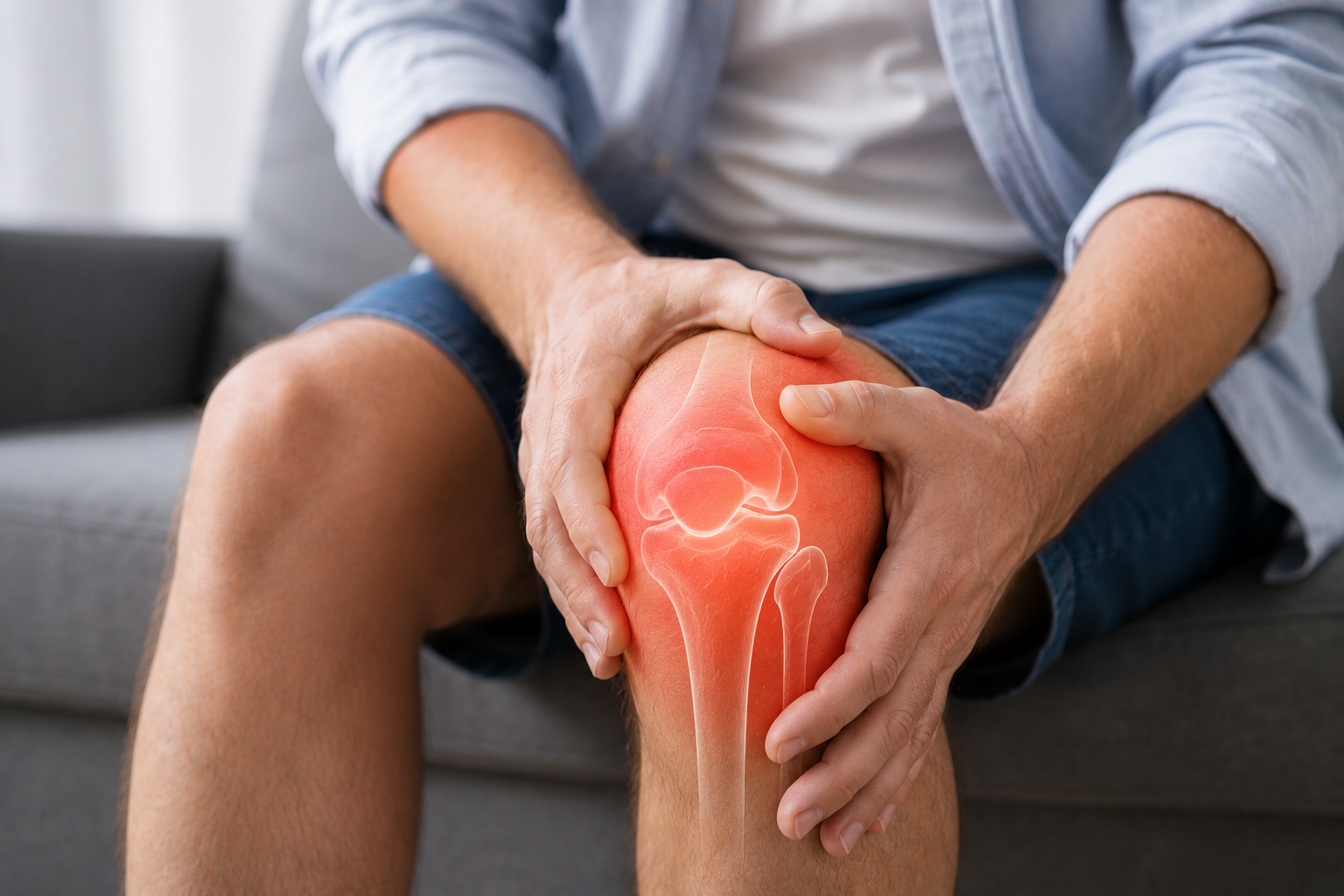
Joint pain is one of the most common health concerns affecting people of all ages. More and more residents of Riga experience discomfort in their knees, shoulders, hips, elbows, or spinal joints. Many people initially ignore the first signs of discomfort, but over time joint pain can become chronic and significantly affect daily life.
Modern lifestyles, prolonged sitting, physical overload, inactivity, and stress place additional strain on the joints and surrounding muscles. As a result, more people are turning to physiotherapists at the first signs of discomfort.
Modern physiotherapy not only helps reduce joint pain but also improves mobility, strengthens muscles, and decreases stress on the joints.
The Bubnovsky Center helps patients restore freedom of movement through modern physiotherapy and kinesitherapy methods.
Why Does Joint Pain Occur?
Joints experience significant stress every day. Both insufficient movement and excessive physical strain can gradually lead to pain and restricted mobility.
Common causes of joint pain include:
Joint pain is particularly common among office workers, drivers, athletes, construction workers, and people involved in physically demanding occupations.
Common Symptoms
Joint problems often develop gradually. Mild discomfort may initially seem insignificant but can worsen over time.
Common symptoms include:
Many symptoms become more noticeable after prolonged sitting or physical work.
Why Joint Pain Should Not Be Ignored
Many people try to live with pain and postpone seeking professional help. Without proper rehabilitation, the condition may gradually worsen.
Joint pain can lead to:
The earlier a person begins caring for their joint health, the greater the chance of preventing serious problems in the future.
How Physiotherapy Helps with Joint Pain
Modern physiotherapy aims to reduce stress on the joints and restore normal muscle function.
A physiotherapist typically evaluates:
Based on the assessment, an individualized rehabilitation program is created.
At the Bubnovsky Center, physiotherapy is based on safe, gradually progressive physical activity tailored to each patient’s condition.
Why Movement Is Important for Joint Health
Joints require regular movement to remain healthy. When physical activity is limited, circulation decreases and joint mobility may gradually decline.
Properly prescribed physical activity helps:
This is why physiotherapists select exercises individually according to each person's health condition and functional abilities.
Why Muscle Strength Matters
Muscles play a crucial role in stabilizing joints and reducing stress during movement.
When muscles become weak:
Physiotherapy helps gradually strengthen muscles and improve movement quality.
Joint Pain and a Sedentary Lifestyle
Many residents of Riga spend most of their day sitting.
Prolonged sitting may lead to:
Over time, these factors significantly increase the risk of joint-related problems.
How Stress Affects Joints and Muscles
Emotional stress affects not only the nervous system but also muscles and joints.
During periods of stress:
Tension commonly accumulates in the neck, shoulders, and lower back.
Physiotherapy can help improve overall well-being through movement-based exercises and breathing techniques.
Why Prevention Matters
The sooner a person begins caring for joint health, the easier it is to avoid chronic problems later in life.
Regular physical activity helps:
Physiotherapy in Riga for Joint Pain
Today, more and more people in Riga choose physiotherapy as a safe and effective way to restore joint health.
The Bubnovsky Center helps patients:
An individualized approach allows rehabilitation programs to be tailored according to age, lifestyle, and overall health condition.
The Bubnovsky Center in Riga
The Bubnovsky Center helps Riga residents restore joint health, reduce pain, and regain freedom of movement through modern physiotherapy and kinesitherapy methods.
Through comprehensive assessment and personalized rehabilitation programs, patients can improve mobility, strengthen supporting muscles, and enjoy a more active and comfortable life.
Joint pain is one of the most common health concerns affecting people of all ages. More and more residents of Riga experience discomfort in their knees, shoulders, hips, elbows, or spinal joints. Many people initially ignore the first signs of discomfort, but over time joint pain can become chronic and significantly affect daily life.
Modern lifestyles, prolonged sitting, physical overload, inactivity, and stress place additional strain on the joints and surrounding muscles. As a result, more people are turning to physiotherapists at the first signs of discomfort.
Modern physiotherapy not only helps reduce joint pain but also improves mobility, strengthens muscles, and decreases stress on the joints.
The Bubnovsky Center helps patients restore freedom of movement through modern physiotherapy and kinesitherapy methods.
Why Does Joint Pain Occur?
Joints experience significant stress every day. Both insufficient movement and excessive physical strain can gradually lead to pain and restricted mobility.
Common causes of joint pain include:
- Sedentary lifestyle
- Prolonged sitting
- Physical overload
- Excess body weight
- Poor posture
- Muscle weakness
- Repetitive movements at work
- Age-related changes
- Stress and chronic muscle tension
Joint pain is particularly common among office workers, drivers, athletes, construction workers, and people involved in physically demanding occupations.
Common Symptoms
Joint problems often develop gradually. Mild discomfort may initially seem insignificant but can worsen over time.
Common symptoms include:
- Joint pain
- Reduced range of motion
- Stiffness
- Swelling
- Discomfort during movement
- Joint clicking or cracking
- Muscle tension
- Fatigue after physical activity
Many symptoms become more noticeable after prolonged sitting or physical work.
Why Joint Pain Should Not Be Ignored
Many people try to live with pain and postpone seeking professional help. Without proper rehabilitation, the condition may gradually worsen.
Joint pain can lead to:
- Limited mobility
- Poor posture
- Chronic muscle tension
- Reduced physical activity
- Lower quality of life
- Chronic fatigue
The earlier a person begins caring for their joint health, the greater the chance of preventing serious problems in the future.
How Physiotherapy Helps with Joint Pain
Modern physiotherapy aims to reduce stress on the joints and restore normal muscle function.
A physiotherapist typically evaluates:
- Joint mobility
- Muscle condition
- Posture
- Range of motion
- Muscle imbalances
- Causes of chronic tension
Based on the assessment, an individualized rehabilitation program is created.
At the Bubnovsky Center, physiotherapy is based on safe, gradually progressive physical activity tailored to each patient’s condition.
Why Movement Is Important for Joint Health
Joints require regular movement to remain healthy. When physical activity is limited, circulation decreases and joint mobility may gradually decline.
Properly prescribed physical activity helps:
- Improve blood circulation
- Reduce muscle tension
- Strengthen muscles
- Improve joint mobility
- Decrease stress on the joints
- Increase physical endurance
This is why physiotherapists select exercises individually according to each person's health condition and functional abilities.
Why Muscle Strength Matters
Muscles play a crucial role in stabilizing joints and reducing stress during movement.
When muscles become weak:
- Joints experience greater strain
- Pain may increase
- Mobility can decline
- Risk of injury rises
- Chronic problems become more likely
Physiotherapy helps gradually strengthen muscles and improve movement quality.
Joint Pain and a Sedentary Lifestyle
Many residents of Riga spend most of their day sitting.
Prolonged sitting may lead to:
- Reduced circulation
- Muscle weakness
- Decreased joint mobility
- Increased stress on the spine and knees
- Greater muscle tension
Over time, these factors significantly increase the risk of joint-related problems.
How Stress Affects Joints and Muscles
Emotional stress affects not only the nervous system but also muscles and joints.
During periods of stress:
- Muscle tension increases
- Circulation worsens
- Sensitivity to pain rises
- Energy levels decrease
Tension commonly accumulates in the neck, shoulders, and lower back.
Physiotherapy can help improve overall well-being through movement-based exercises and breathing techniques.
Why Prevention Matters
The sooner a person begins caring for joint health, the easier it is to avoid chronic problems later in life.
Regular physical activity helps:
- Maintain mobility
- Strengthen muscles
- Reduce pain
- Improve posture
- Increase energy levels
- Enhance quality of life
Physiotherapy in Riga for Joint Pain
Today, more and more people in Riga choose physiotherapy as a safe and effective way to restore joint health.
The Bubnovsky Center helps patients:
- Reduce joint pain
- Restore mobility
- Strengthen muscles
- Improve posture
- Decrease muscle tension
- Return to an active lifestyle
An individualized approach allows rehabilitation programs to be tailored according to age, lifestyle, and overall health condition.
The Bubnovsky Center in Riga
The Bubnovsky Center helps Riga residents restore joint health, reduce pain, and regain freedom of movement through modern physiotherapy and kinesitherapy methods.
Through comprehensive assessment and personalized rehabilitation programs, patients can improve mobility, strengthen supporting muscles, and enjoy a more active and comfortable life.