Rehabilitation After Hip Replacement Surgery
Hip replacement surgery (total hip arthroplasty) is a procedure in which a damaged hip joint is replaced with an artificial implant.
This operation helps restore mobility, reduce pain, and allow patients to return to an active and fulfilling lifestyle.
Hip joint disorders are particularly common among people over the age of 50.
Main Causes of Hip Joint Damage
The most common causes include:
Key Stages of Recovery
Treatment and rehabilitation for hip joint conditions typically include several stages:
Preparation for Hip Replacement Surgery
If surgery is necessary, proper preparation is essential to ensure the best possible outcome.
At the Dr. Bubnovsky Center, a kinesitherapy physician:
Special attention is given to:
This preparation is important because after surgery, the healthy leg and spine temporarily experience increased stress.
Based on the assessment, an individualized preoperative exercise program is created.
The primary goal of this stage is to maximize the body's recovery potential and prepare the muscles, ligaments, and vascular system for successful rehabilitation.
Rehabilitation After Hip Joint Replacement
Rehabilitation begins almost immediately after surgery.
Within the first days, patients start performing safe exercises under specialist supervision, avoiding rotational stress on the new joint.
Additional rehabilitation methods may include:
If recovery progresses well, patients are gradually allowed to stand and walk using additional support such as crutches or a walker.
Rehabilitation at the Dr. Bubnovsky Center
Rehabilitation at the Dr. Bubnovsky Center can begin immediately after discharge from the hospital and once the postoperative wound has healed.
During the initial assessment, specialists often identify additional issues such as:
Main Goals of Rehabilitation
During recovery, it is important to:
The earlier rehabilitation begins, the faster patients can return to their normal lifestyle.
Stages of Rehabilitation
Stage One
The initial stage focuses on basic rehabilitation exercises and gentle therapeutic equipment.
Main objectives:
Exercises are performed without rotational loading of the hip joint.
Stage Two
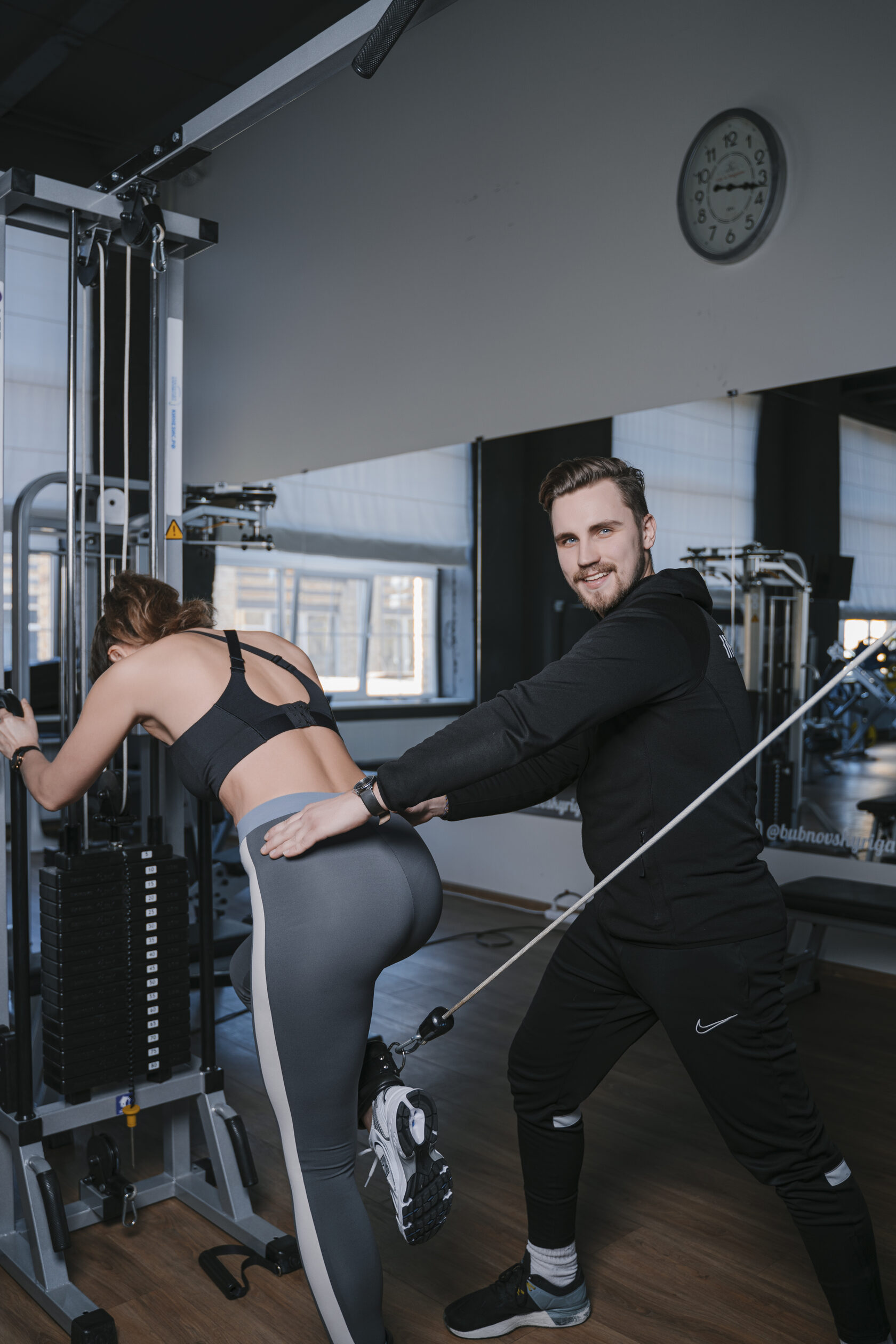
As recovery progresses, exercises using the Bubnovsky Multifunctional Training Machine (MTB) are introduced.
The MTB system helps:
Thanks to its decompression effect, exercises are performed comfortably and safely.
All sessions are supervised by both an instructor and a kinesitherapy physician.
Stage Three
The primary goal of the final stage is to restore independent walking without additional support.
The rehabilitation program may include:
Objectives of this stage:
Returning to an Active Lifestyle
Comprehensive rehabilitation after hip replacement surgery helps restore mobility, rebuild confidence in movement, and significantly improve quality of life.
The specialists at the Dr. Bubnovsky Center in Riga guide patients safely through every stage of recovery and help them return to full physical activity.
Book your initial consultation at bubnovsky.lv or call +371 23271732.
When purchasing a package of 12 rehabilitation sessions, you will receive a free initial consultation and two follow-up consultations with your physician after the 6th and 11th sessions to assess progress and adjust your rehabilitation program if necessary.
Hip replacement surgery (total hip arthroplasty) is a procedure in which a damaged hip joint is replaced with an artificial implant.
This operation helps restore mobility, reduce pain, and allow patients to return to an active and fulfilling lifestyle.
Hip joint disorders are particularly common among people over the age of 50.
Main Causes of Hip Joint Damage
The most common causes include:
- Traumatic injuries
- Osteoarthritis
- Rheumatoid arthritis
- Complications of septic arthritis
- Hip dysplasia
- Tumors
- Femoral neck fractures
- Chronic arthrosis
- Age-related degenerative changes
- Previous infectious diseases
Key Stages of Recovery
Treatment and rehabilitation for hip joint conditions typically include several stages:
- Diagnosis and treatment planning
- Preparation for surgery
- Early postoperative rehabilitation
- Progressive recovery after surgery
- Prevention of complications
- Return to normal physical activity
Preparation for Hip Replacement Surgery
If surgery is necessary, proper preparation is essential to ensure the best possible outcome.
At the Dr. Bubnovsky Center, a kinesitherapy physician:
- Reviews diagnostic test results
- Evaluates the musculoskeletal system
- Assesses the patient's movement patterns and physical activity
- Determines the body's functional capabilities
Special attention is given to:
- Back and lower back muscles
- The condition of the healthy leg
- Cardiovascular health
- Blood vessels and ligament structures
This preparation is important because after surgery, the healthy leg and spine temporarily experience increased stress.
Based on the assessment, an individualized preoperative exercise program is created.
The primary goal of this stage is to maximize the body's recovery potential and prepare the muscles, ligaments, and vascular system for successful rehabilitation.
Rehabilitation After Hip Joint Replacement
Rehabilitation begins almost immediately after surgery.
Within the first days, patients start performing safe exercises under specialist supervision, avoiding rotational stress on the new joint.
Additional rehabilitation methods may include:
- Gentle therapeutic massage
- Physiotherapy
- Breathing exercises
If recovery progresses well, patients are gradually allowed to stand and walk using additional support such as crutches or a walker.
Rehabilitation at the Dr. Bubnovsky Center
Rehabilitation at the Dr. Bubnovsky Center can begin immediately after discharge from the hospital and once the postoperative wound has healed.
During the initial assessment, specialists often identify additional issues such as:
- Weakness of the back and lower back muscles
- Weakness of the leg muscles
- Gait abnormalities
- Fear of movement
- Spinal disorders
- Disc protrusions and herniated discs
- Limited joint mobility
- Lower back pain
Main Goals of Rehabilitation
During recovery, it is important to:
- Restore joint mobility
- Re-establish proper movement patterns
- Normalize walking mechanics
- Correct pelvic imbalance
- Reduce the risk of prosthetic joint subluxation
- Prevent overload of other joints
The earlier rehabilitation begins, the faster patients can return to their normal lifestyle.
Stages of Rehabilitation
Stage One
The initial stage focuses on basic rehabilitation exercises and gentle therapeutic equipment.
Main objectives:
- Muscle activation
- Increasing range of motion
- Safe restoration of mobility
Exercises are performed without rotational loading of the hip joint.
Stage Two
As recovery progresses, exercises using the Bubnovsky Multifunctional Training Machine (MTB) are introduced.
The MTB system helps:
- Deeply engage muscle groups
- Safely restore joint function
- Strengthen the muscular support system
- Recover rotational movement capabilities
Thanks to its decompression effect, exercises are performed comfortably and safely.
All sessions are supervised by both an instructor and a kinesitherapy physician.
Stage Three
The primary goal of the final stage is to restore independent walking without additional support.
The rehabilitation program may include:
- Gait training
- Mirror-based posture exercises
- Joint mobility exercises
- Sauna therapy
- Cold-water therapy
Objectives of this stage:
- Eliminate limping
- Restore proper posture
- Re-establish natural movement patterns
Returning to an Active Lifestyle
Comprehensive rehabilitation after hip replacement surgery helps restore mobility, rebuild confidence in movement, and significantly improve quality of life.
The specialists at the Dr. Bubnovsky Center in Riga guide patients safely through every stage of recovery and help them return to full physical activity.
Book your initial consultation at bubnovsky.lv or call +371 23271732.
When purchasing a package of 12 rehabilitation sessions, you will receive a free initial consultation and two follow-up consultations with your physician after the 6th and 11th sessions to assess progress and adjust your rehabilitation program if necessary.