Herniated Intervertebral Disc
A herniated disc can often be treated without surgery. The physicians at the Dr. Bubnovsky Center use a unique treatment method and have extensive experience in non-surgical treatment of herniated discs, pain relief without medication, and restoring full spinal mobility.
People suffering from a herniated disc may experience persistent back pain, sharp shooting pain during sudden movements, numbness in the fingers or toes, headaches, dizziness, and limited mobility.
Why Does a Herniated Disc Develop?
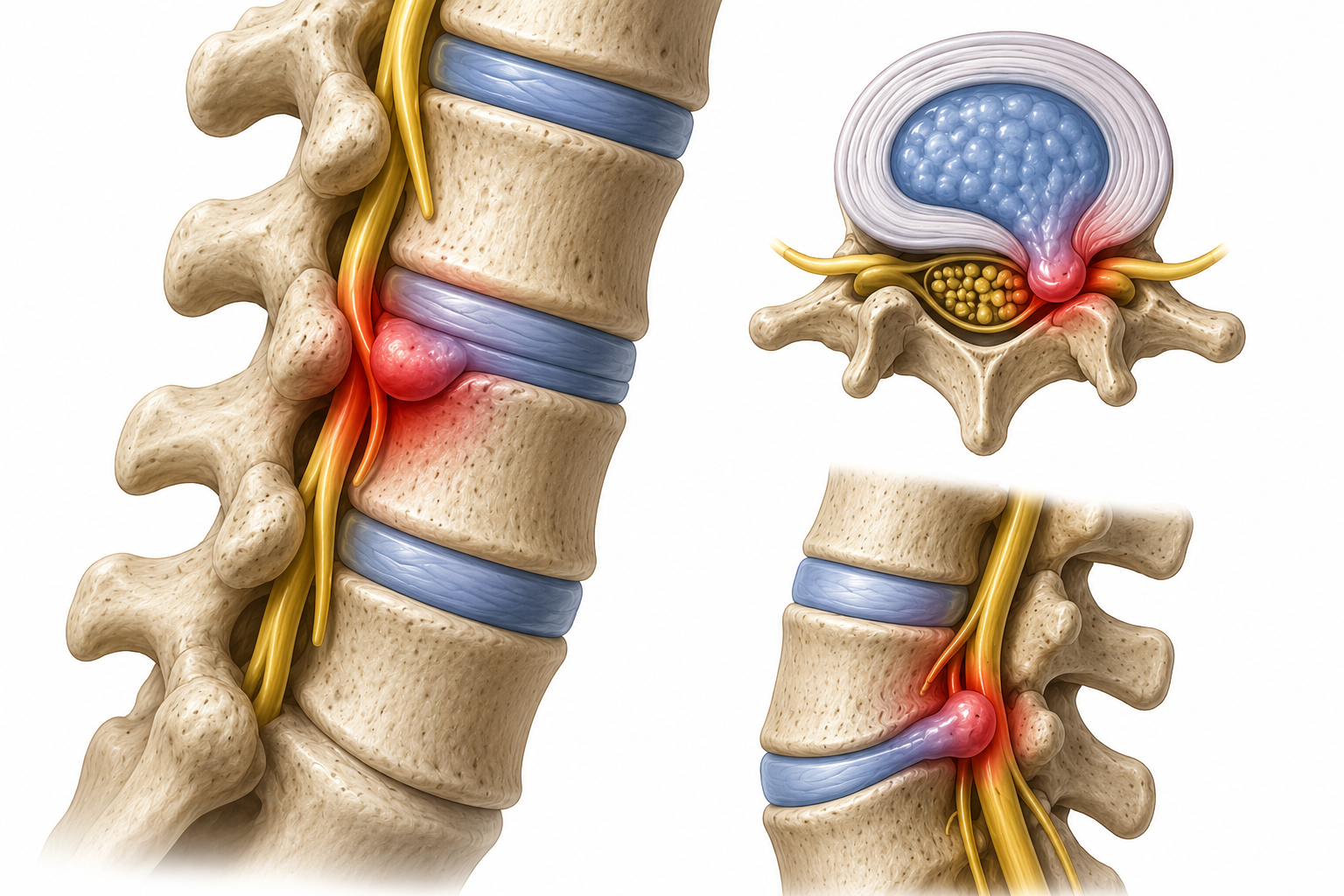
The main cause of a herniated intervertebral disc is impaired nutrition of the spinal discs, which gradually leads to degeneration and deterioration of the disc structure.
This occurs due to spasms and dysfunction of the deep muscles that support the spine.
Muscle spasms often develop in people who:
Over time, spasmodic muscles lose their elasticity, blood and lymph circulation deteriorate, and the nutrition of spinal tissues becomes impaired. Intervertebral discs gradually lose their shock-absorbing properties, become weaker, and start to degenerate.
As a result, inflammation develops, disc protrusions appear, and eventually a herniated disc may form.
Is Surgery Necessary?
Just a few years ago, spinal surgery was often considered the only solution for patients diagnosed with a herniated disc.
However, spinal surgery is always associated with certain risks:
Today, in many cases, effective conservative treatment is possible without surgical intervention.
Herniated Disc Treatment According to the Bubnovsky Method
The unique method developed by Dr. Sergei Bubnovsky more than 20 years ago is based on kinesitherapy — treatment through properly guided movement.
The main goals of treatment are:
The method focuses not only on symptom relief but also on addressing the root cause of the problem.
Diagnostic Evaluation Before Treatment
Before starting the rehabilitation program, specialists at the Center perform a comprehensive examination.
A kinesitherapist conducts:
Based on the findings, an individualized rehabilitation program is created.
Each patient receives:
Training on the Bubnovsky Multifunctional Machine
Most rehabilitation sessions take place in the Center’s exercise facility using the Bubnovsky Multifunctional Training Machine (MTB).
This specialized equipment allows patients to:
Unlike massage or traditional physical therapy alone, the MTB enables targeted work on the muscles responsible for supporting the spine and nourishing the intervertebral discs.
Thanks to its unique design, exercises can be performed comfortably without additional pressure on the spine or joints.
This helps reduce pain and minimize discomfort during rehabilitation sessions.
Benefits of Kinesitherapy
Regular training according to the Bubnovsky Method helps:
Many patients report noticeable pain relief and improved well-being within the first few weeks of treatment.
Do Not Delay Treatment for a Herniated Disc
If you have been diagnosed with a herniated intervertebral disc, it does not automatically mean that surgery is required. In many cases, timely conservative treatment can significantly reduce pain, restore mobility, and help you return to a full and active life without surgical intervention.
At the Dr. Bubnovsky Center in Riga, we help patients suffering from herniated discs, chronic back pain, neck pain, and lower back pain. Our kinesitherapy approach focuses on eliminating the underlying cause of the condition by restoring the function of the deep spinal muscles, improving circulation, and enhancing nutrition of the intervertebral discs.
Every patient undergoes a myofascial assessment and receives a personalized exercise program tailored to their age, physical condition, and specific diagnosis.
Do not tolerate pain and do not wait until the problem starts limiting your daily activities. The earlier appropriate treatment begins, the greater the chance of avoiding surgery and preserving the health of your spine.
Schedule a Consultation at the Dr. Bubnovsky Center in Riga
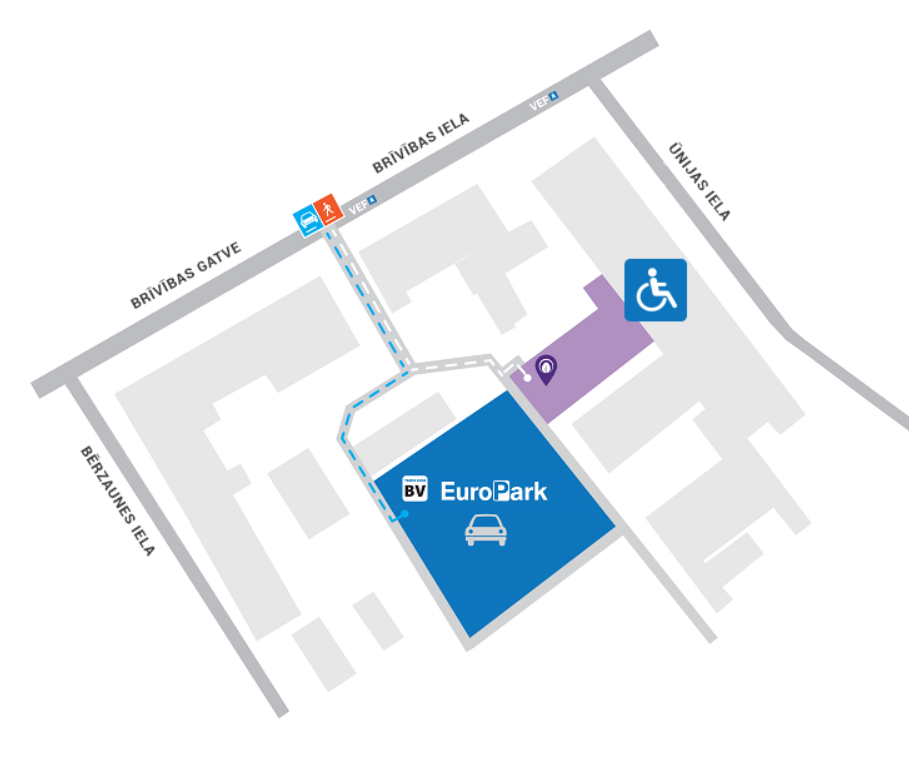
📍 Brīvības gatve 214B, Riga, Latvia
📞 +371 23 271 732
🌐 www.bubnovsky.lv
We will help identify the cause of your pain, develop a safe rehabilitation program, and restore your freedom of movement without surgery or long-term use of pain medications.
A herniated disc can often be treated without surgery. The physicians at the Dr. Bubnovsky Center use a unique treatment method and have extensive experience in non-surgical treatment of herniated discs, pain relief without medication, and restoring full spinal mobility.
People suffering from a herniated disc may experience persistent back pain, sharp shooting pain during sudden movements, numbness in the fingers or toes, headaches, dizziness, and limited mobility.
Why Does a Herniated Disc Develop?
The main cause of a herniated intervertebral disc is impaired nutrition of the spinal discs, which gradually leads to degeneration and deterioration of the disc structure.
This occurs due to spasms and dysfunction of the deep muscles that support the spine.
Muscle spasms often develop in people who:
- lead a sedentary lifestyle;
- spend long hours working at a computer;
- remain in static positions for extended periods;
- experience constant physical or emotional stress.
Over time, spasmodic muscles lose their elasticity, blood and lymph circulation deteriorate, and the nutrition of spinal tissues becomes impaired. Intervertebral discs gradually lose their shock-absorbing properties, become weaker, and start to degenerate.
As a result, inflammation develops, disc protrusions appear, and eventually a herniated disc may form.
Is Surgery Necessary?
Just a few years ago, spinal surgery was often considered the only solution for patients diagnosed with a herniated disc.
However, spinal surgery is always associated with certain risks:
- tissue trauma;
- a lengthy recovery period;
- risk of recurrence;
- postoperative complications.
Today, in many cases, effective conservative treatment is possible without surgical intervention.
Herniated Disc Treatment According to the Bubnovsky Method
The unique method developed by Dr. Sergei Bubnovsky more than 20 years ago is based on kinesitherapy — treatment through properly guided movement.
The main goals of treatment are:
- relieving muscle spasms;
- reducing pain;
- restoring spinal mobility;
- improving blood circulation;
- enhancing nutrition of the intervertebral discs;
- preventing further progression of the condition.
The method focuses not only on symptom relief but also on addressing the root cause of the problem.
Diagnostic Evaluation Before Treatment
Before starting the rehabilitation program, specialists at the Center perform a comprehensive examination.
A kinesitherapist conducts:
- myofascial assessment;
- functional movement testing;
- evaluation of muscles and ligaments;
- analysis of MRI, CT scans, and other diagnostic results.
Based on the findings, an individualized rehabilitation program is created.
Each patient receives:
- a personalized exercise program;
- an optimal level of physical load;
- a safe training regimen;
- an individual recovery plan.
Training on the Bubnovsky Multifunctional Machine
Most rehabilitation sessions take place in the Center’s exercise facility using the Bubnovsky Multifunctional Training Machine (MTB).
This specialized equipment allows patients to:
- safely activate deep spinal muscles;
- restore muscular balance;
- improve blood supply to tissues;
- perform exercises without axial compression of the spine.
Unlike massage or traditional physical therapy alone, the MTB enables targeted work on the muscles responsible for supporting the spine and nourishing the intervertebral discs.
Thanks to its unique design, exercises can be performed comfortably without additional pressure on the spine or joints.
This helps reduce pain and minimize discomfort during rehabilitation sessions.
Benefits of Kinesitherapy
Regular training according to the Bubnovsky Method helps:
- reduce back and neck pain;
- restore spinal mobility;
- improve posture;
- normalize circulation;
- strengthen the muscular support system;
- decrease the risk of flare-ups;
- improve overall quality of life.
Many patients report noticeable pain relief and improved well-being within the first few weeks of treatment.
Do Not Delay Treatment for a Herniated Disc
If you have been diagnosed with a herniated intervertebral disc, it does not automatically mean that surgery is required. In many cases, timely conservative treatment can significantly reduce pain, restore mobility, and help you return to a full and active life without surgical intervention.
At the Dr. Bubnovsky Center in Riga, we help patients suffering from herniated discs, chronic back pain, neck pain, and lower back pain. Our kinesitherapy approach focuses on eliminating the underlying cause of the condition by restoring the function of the deep spinal muscles, improving circulation, and enhancing nutrition of the intervertebral discs.
Every patient undergoes a myofascial assessment and receives a personalized exercise program tailored to their age, physical condition, and specific diagnosis.
Do not tolerate pain and do not wait until the problem starts limiting your daily activities. The earlier appropriate treatment begins, the greater the chance of avoiding surgery and preserving the health of your spine.
Schedule a Consultation at the Dr. Bubnovsky Center in Riga
📍 Brīvības gatve 214B, Riga, Latvia
📞 +371 23 271 732
🌐 www.bubnovsky.lv
We will help identify the cause of your pain, develop a safe rehabilitation program, and restore your freedom of movement without surgery or long-term use of pain medications.