Herniated Disc Symptoms: When Should You See a Doctor?
A herniated disc is one of the most common causes of chronic back pain and lower back pain. However, the condition does not always present in the same way. Some people experience severe symptoms, while others may have a herniated disc that develops with little or no noticeable discomfort for a long time.
Understanding the most common symptoms can help you seek professional care early and begin treatment before complications develop.
What Happens During a Herniated Disc?
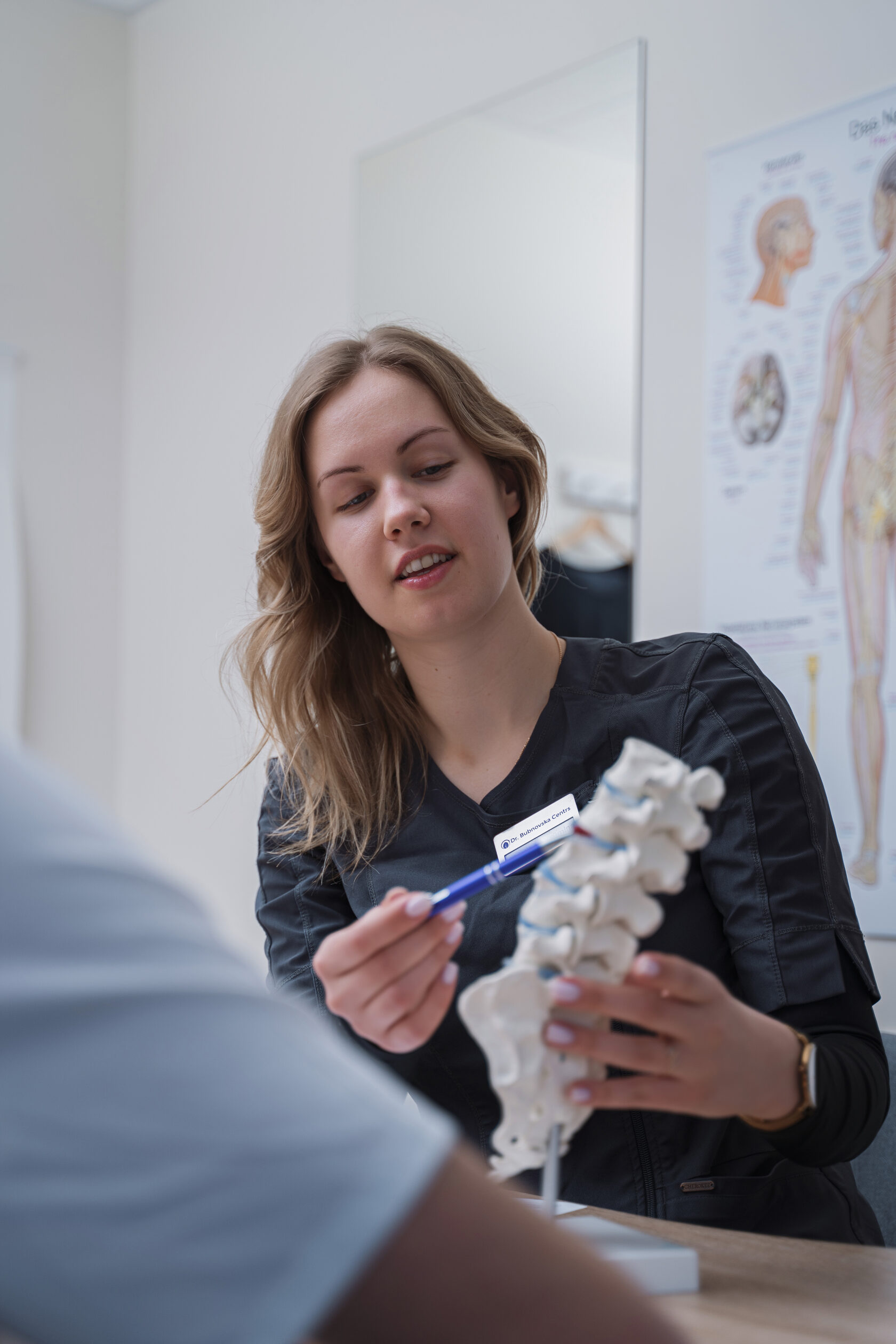
Intervertebral discs are made up of a tough outer layer and a softer inner core that functions as a shock absorber for the spine.
When a disc becomes damaged or undergoes degenerative changes, part of it may protrude beyond its normal position. This condition is known as a herniated disc.
Symptoms typically occur when the herniated disc irritates or compresses nearby nerve structures.
Common Symptoms of a Herniated Disc
Back or Lower Back Pain
The most common symptom is pain in the affected area of the spine. The discomfort may worsen with movement, bending, lifting, or physical activity.
Pain Radiating Into the Arm or Leg
When a herniated disc places pressure on a nerve root, pain can travel along the course of the affected nerve into an arm or leg.
Numbness and Tingling
Many patients report tingling sensations, “pins and needles,” or reduced sensation in the arms, hands, legs, or feet.
Muscle Weakness
Long-term nerve compression may lead to weakness in the affected limb and a reduction in physical performance.
Reduced Mobility
Pain and muscle tension often limit the normal range of motion of the spine and make daily activities more difficult.
Which Symptoms Require Immediate Attention?
It is important to seek professional evaluation as soon as possible if you experience:
These symptoms may indicate significant nerve involvement and require timely assessment.
Can a Herniated Disc Exist Without Symptoms?
Yes.
In some cases, a herniated disc is discovered incidentally during MRI or other diagnostic imaging studies. This is why the presence of a disc herniation on a scan does not always mean that it is causing symptoms.
For this reason, treatment decisions should be based not only on imaging findings but also on the patient's symptoms and functional condition.
What Should You Do If Symptoms Appear?
If you experience pain, numbness, tingling, or other symptoms associated with a herniated disc, it is recommended to consult a specialist.
Early diagnosis allows healthcare professionals to identify the source of the symptoms and develop an appropriate treatment strategy before the condition progresses.
In many cases, conservative treatment methods are used successfully, including:
Modern Rehabilitation for Herniated Discs
The primary goal of rehabilitation is not only to reduce pain but also to improve spinal function, strengthen supporting muscles, and restore mobility.
Individualized rehabilitation programs may help:
Conclusion
The symptoms of a herniated disc can vary widely, ranging from mild discomfort to severe pain, numbness, and restricted movement. Seeking professional evaluation at the first signs of symptoms can help identify the cause and provide the most effective path toward recovery.
Herniated Disc Rehabilitation at the Bubnovsky Center
The Bubnovsky Center uses modern rehabilitation methods and individualized kinesitherapy programs for patients with spinal disorders.
Through comprehensive assessment and personalized treatment plans, specialists help patients reduce pain, restore mobility, strengthen muscles, and return to an active lifestyle while supporting long-term spinal health.
A herniated disc is one of the most common causes of chronic back pain and lower back pain. However, the condition does not always present in the same way. Some people experience severe symptoms, while others may have a herniated disc that develops with little or no noticeable discomfort for a long time.
Understanding the most common symptoms can help you seek professional care early and begin treatment before complications develop.
What Happens During a Herniated Disc?
Intervertebral discs are made up of a tough outer layer and a softer inner core that functions as a shock absorber for the spine.
When a disc becomes damaged or undergoes degenerative changes, part of it may protrude beyond its normal position. This condition is known as a herniated disc.
Symptoms typically occur when the herniated disc irritates or compresses nearby nerve structures.
Common Symptoms of a Herniated Disc
Back or Lower Back Pain
The most common symptom is pain in the affected area of the spine. The discomfort may worsen with movement, bending, lifting, or physical activity.
Pain Radiating Into the Arm or Leg
When a herniated disc places pressure on a nerve root, pain can travel along the course of the affected nerve into an arm or leg.
Numbness and Tingling
Many patients report tingling sensations, “pins and needles,” or reduced sensation in the arms, hands, legs, or feet.
Muscle Weakness
Long-term nerve compression may lead to weakness in the affected limb and a reduction in physical performance.
Reduced Mobility
Pain and muscle tension often limit the normal range of motion of the spine and make daily activities more difficult.
Which Symptoms Require Immediate Attention?
It is important to seek professional evaluation as soon as possible if you experience:
- Significant weakness in the arms or legs
- Rapidly increasing pain
- Severe sensory disturbances
- Loss of coordination
- Major limitations in mobility
These symptoms may indicate significant nerve involvement and require timely assessment.
Can a Herniated Disc Exist Without Symptoms?
Yes.
In some cases, a herniated disc is discovered incidentally during MRI or other diagnostic imaging studies. This is why the presence of a disc herniation on a scan does not always mean that it is causing symptoms.
For this reason, treatment decisions should be based not only on imaging findings but also on the patient's symptoms and functional condition.
What Should You Do If Symptoms Appear?
If you experience pain, numbness, tingling, or other symptoms associated with a herniated disc, it is recommended to consult a specialist.
Early diagnosis allows healthcare professionals to identify the source of the symptoms and develop an appropriate treatment strategy before the condition progresses.
In many cases, conservative treatment methods are used successfully, including:
- Kinesitherapy
- Therapeutic exercise
- Physiotherapy
- Spinal rehabilitation programs
Modern Rehabilitation for Herniated Discs
The primary goal of rehabilitation is not only to reduce pain but also to improve spinal function, strengthen supporting muscles, and restore mobility.
Individualized rehabilitation programs may help:
- Reduce pressure on affected spinal structures
- Improve circulation
- Strengthen the muscular support system
- Increase flexibility and mobility
- Support long-term spinal health
Conclusion
The symptoms of a herniated disc can vary widely, ranging from mild discomfort to severe pain, numbness, and restricted movement. Seeking professional evaluation at the first signs of symptoms can help identify the cause and provide the most effective path toward recovery.
Herniated Disc Rehabilitation at the Bubnovsky Center
The Bubnovsky Center uses modern rehabilitation methods and individualized kinesitherapy programs for patients with spinal disorders.
Through comprehensive assessment and personalized treatment plans, specialists help patients reduce pain, restore mobility, strengthen muscles, and return to an active lifestyle while supporting long-term spinal health.