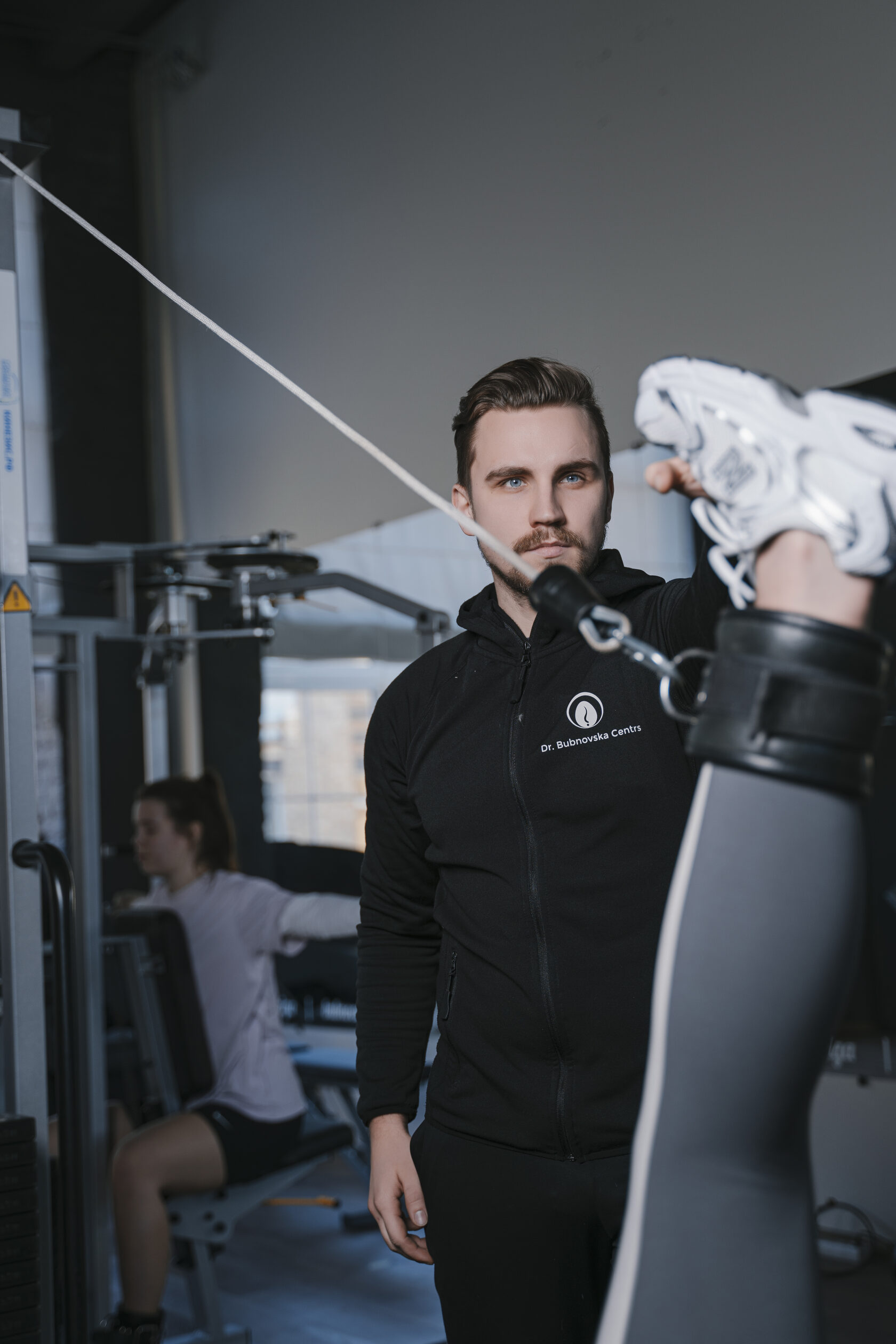
How to Keep Your Joints Healthy After 40
Many people begin to notice changes in their joints after the age of 40. Morning stiffness, discomfort after physical activity, or reduced flexibility can become more common. While these changes are not always signs of disease, they are a reminder that joint health requires more attention as we age.
Taking care of your joints early can help maintain mobility, independence, and an active lifestyle for years to come.
Why Do Joints Change With Age?
As we get older, the body's natural repair processes slow down. Joint cartilage gradually loses some of its elasticity, while muscles and ligaments may become weaker if they are not regularly exercised.
Several factors can accelerate these changes, including:
Although ageing is inevitable, many age-related joint problems can be delayed or prevented through healthy lifestyle habits.
Early Signs of Joint Problems
It is important to pay attention to symptoms that may indicate increased stress on the joints:
Early intervention often helps prevent more serious mobility issues in the future.
How to Maintain Healthy Joints After 40
Stay Physically Active
Movement is essential for joint health. Regular activity improves circulation and helps deliver nutrients to cartilage and surrounding tissues.
Simple activities such as walking, swimming, cycling, and mobility exercises can support long-term joint function.
Strengthen the Supporting Muscles
Strong muscles help reduce stress on the joints and improve stability.
A well-designed exercise programme can strengthen the muscles around the knees, hips, shoulders, and spine, helping to protect joints during daily activities.
Maintain a Healthy Weight
Excess body weight places additional pressure on weight-bearing joints, particularly the knees, hips, and lower back.
Even modest weight loss can significantly reduce joint stress and improve mobility.
Avoid Prolonged Sitting
Long periods of sitting can contribute to stiffness and reduced joint mobility.
If you work at a desk, try to stand up, stretch, and move around every 30–60 minutes.
Pay Attention to Posture
Good posture helps distribute loads evenly across the body and reduces unnecessary strain on joints and the spine.
The Role of Physiotherapy and Kinesitherapy
Physiotherapy and kinesitherapy can play an important role in maintaining joint health after 40.
Individually tailored exercise programmes help:
Regular supervised exercise can also help people remain active despite previous injuries or chronic musculoskeletal conditions.
When Should You See a Specialist?
Professional assessment is recommended if you experience:
The earlier a problem is identified, the more options are available to maintain mobility and prevent further deterioration.
Healthy Joints for an Active Future
Joint health after 40 depends largely on lifestyle choices. Regular movement, strength training, weight management, and early preventive care can help reduce the risk of osteoarthritis and other musculoskeletal conditions.
At the Dr. Bubnovsky Center in Riga, personalised kinesitherapy and rehabilitation programmes help patients improve mobility, strengthen muscles, and maintain healthy joints at every stage of life.
Many people begin to notice changes in their joints after the age of 40. Morning stiffness, discomfort after physical activity, or reduced flexibility can become more common. While these changes are not always signs of disease, they are a reminder that joint health requires more attention as we age.
Taking care of your joints early can help maintain mobility, independence, and an active lifestyle for years to come.
Why Do Joints Change With Age?
As we get older, the body's natural repair processes slow down. Joint cartilage gradually loses some of its elasticity, while muscles and ligaments may become weaker if they are not regularly exercised.
Several factors can accelerate these changes, including:
- Physical inactivity
- Excess body weight
- Prolonged sitting
- Previous injuries
- Repetitive joint stress
- Chronic stress
- Poor posture
Although ageing is inevitable, many age-related joint problems can be delayed or prevented through healthy lifestyle habits.
Early Signs of Joint Problems
It is important to pay attention to symptoms that may indicate increased stress on the joints:
- Morning stiffness
- Pain after walking or exercise
- Discomfort when climbing stairs
- Reduced flexibility
- Clicking or cracking sounds in joints
- Fatigue during physical activity
Early intervention often helps prevent more serious mobility issues in the future.
How to Maintain Healthy Joints After 40
Stay Physically Active
Movement is essential for joint health. Regular activity improves circulation and helps deliver nutrients to cartilage and surrounding tissues.
Simple activities such as walking, swimming, cycling, and mobility exercises can support long-term joint function.
Strengthen the Supporting Muscles
Strong muscles help reduce stress on the joints and improve stability.
A well-designed exercise programme can strengthen the muscles around the knees, hips, shoulders, and spine, helping to protect joints during daily activities.
Maintain a Healthy Weight
Excess body weight places additional pressure on weight-bearing joints, particularly the knees, hips, and lower back.
Even modest weight loss can significantly reduce joint stress and improve mobility.
Avoid Prolonged Sitting
Long periods of sitting can contribute to stiffness and reduced joint mobility.
If you work at a desk, try to stand up, stretch, and move around every 30–60 minutes.
Pay Attention to Posture
Good posture helps distribute loads evenly across the body and reduces unnecessary strain on joints and the spine.
The Role of Physiotherapy and Kinesitherapy
Physiotherapy and kinesitherapy can play an important role in maintaining joint health after 40.
Individually tailored exercise programmes help:
- Improve joint mobility
- Strengthen muscles and ligaments
- Enhance balance and coordination
- Improve circulation
- Reduce the risk of age-related joint degeneration
Regular supervised exercise can also help people remain active despite previous injuries or chronic musculoskeletal conditions.
When Should You See a Specialist?
Professional assessment is recommended if you experience:
- Recurring joint pain
- Reduced range of motion
- Stiffness that does not improve
- Difficulty performing daily activities
- Progressive worsening of symptoms
The earlier a problem is identified, the more options are available to maintain mobility and prevent further deterioration.
Healthy Joints for an Active Future
Joint health after 40 depends largely on lifestyle choices. Regular movement, strength training, weight management, and early preventive care can help reduce the risk of osteoarthritis and other musculoskeletal conditions.
At the Dr. Bubnovsky Center in Riga, personalised kinesitherapy and rehabilitation programmes help patients improve mobility, strengthen muscles, and maintain healthy joints at every stage of life.