Headaches
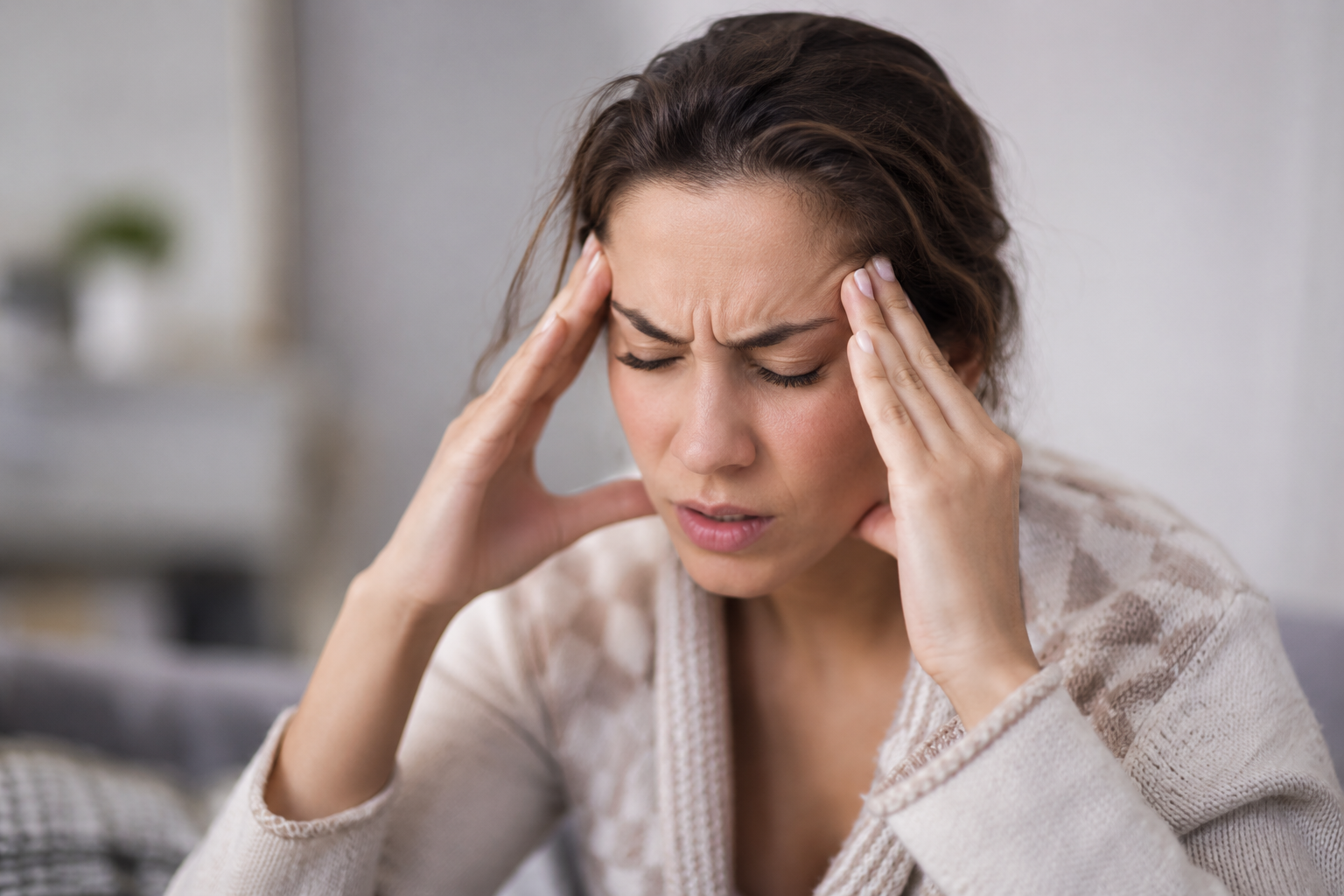
Headaches are one of the most common conditions experienced by people of all ages. They may be sharp, throbbing, pressing, or bursting in nature, occurring occasionally or becoming chronic.
Pain may be localized:
The causes of headaches vary significantly, making it essential to identify the underlying source of the problem in order to choose the most effective treatment.
Types of Headaches
Depending on the underlying cause, several major types of headaches can be distinguished.
Headaches Associated with Blood Pressure Fluctuations
This type of headache is usually highly intense and may be accompanied by:
It often occurs during episodes of high blood pressure or sudden fluctuations in blood pressure.
Tension Headaches
Tension headaches are among the most common forms of headache.
They are characterized by:
This type of headache most commonly develops in people who spend long periods in static positions and experience constant tension in the neck, shoulder, and upper back muscles.
People at increased risk include:
Cluster Headaches
Cluster headaches are considered one of the most severe forms of headache pain.
Typical characteristics include:
Cluster headaches are most common in middle-aged men.
Migraine
Migraine is characterized by severe throbbing pain, usually affecting one side of the head.
Common symptoms include:
Migraines most frequently affect women between the ages of 25 and 35.
Other Causes of Headaches
Headaches may not always be related to vascular or muscular disorders.
Other possible causes include:
For this reason, individuals who experience frequent or severe headaches should undergo a comprehensive medical evaluation.
Why Painkillers Alone Are Not Enough
Many people become accustomed to headaches and regularly take pain medications without attempting to determine the underlying cause.
However, pain is a protective signal from the body indicating that something is wrong.
Painkillers and muscle relaxants:
As a result, the underlying condition may continue to progress.
The Role of Neck Muscles in Headaches
One of the common causes of chronic headaches is impaired blood flow to the brain associated with dysfunction of the neck and shoulder muscles.
When muscles remain tense for long periods:
These changes can contribute to headaches of varying intensity.
This problem is especially common among people with sedentary lifestyles and those who spend many hours working at a computer.
Kinesitherapy for Headaches
Headaches associated with:
may respond well to kinesitherapy based on the Bubnovsky Method.
The primary goal of treatment is to eliminate the cause of the headache rather than simply masking its symptoms.
Diagnostic Evaluation
Before treatment begins, a kinesitherapist performs a comprehensive examination that includes:
Patients are encouraged to provide results of:
Based on the findings, an individualized rehabilitation program is developed.
How Therapeutic Exercises Work
Properly selected exercises help:
This creates favorable conditions for the body's natural recovery processes.
Training on the Bubnovsky Multifunctional Machine
Most rehabilitation sessions are conducted using the Bubnovsky Multifunctional Training Machine (MTB).
Its design allows patients to:
The exercises are performed by overcoming a counterweight system, making the sessions both safe and comfortable.
Additional Recovery Methods
Joint Floor Exercises
This exercise program is performed on a mat and is designed to:
Sauna Therapy
Sauna therapy may help:
Cold Water Therapy and Cryotherapy
These methods help:
Headache Prevention
To reduce the risk of headaches, it is recommended to:
Conclusion
A headache is not a disease in itself but rather a symptom that may indicate a variety of underlying health issues. Regular use of painkillers addresses only the manifestation of the problem, not its cause.
Comprehensive diagnostics, early identification of risk factors, and a properly designed rehabilitation program can help reduce the frequency and intensity of headaches, improve cerebral blood flow, and significantly enhance quality of life.
Do Not Ignore Headaches — Address the Cause
If headaches are becoming frequent, it is important not to rely solely on pain medications. Identifying the source of the pain and developing an appropriate recovery strategy is essential.
At the Dr. Bubnovsky Center in Riga, we help patients suffering from headaches associated with muscle tension, circulatory disorders, cervical spine problems, and the consequences of a sedentary lifestyle. Following a consultation and myofascial assessment, each patient receives an individualized rehabilitation program.
Our goal is to help reduce pain, improve mobility of the cervical spine, restore healthy circulation, and bring comfort back to everyday life.
Schedule Your Consultation Today
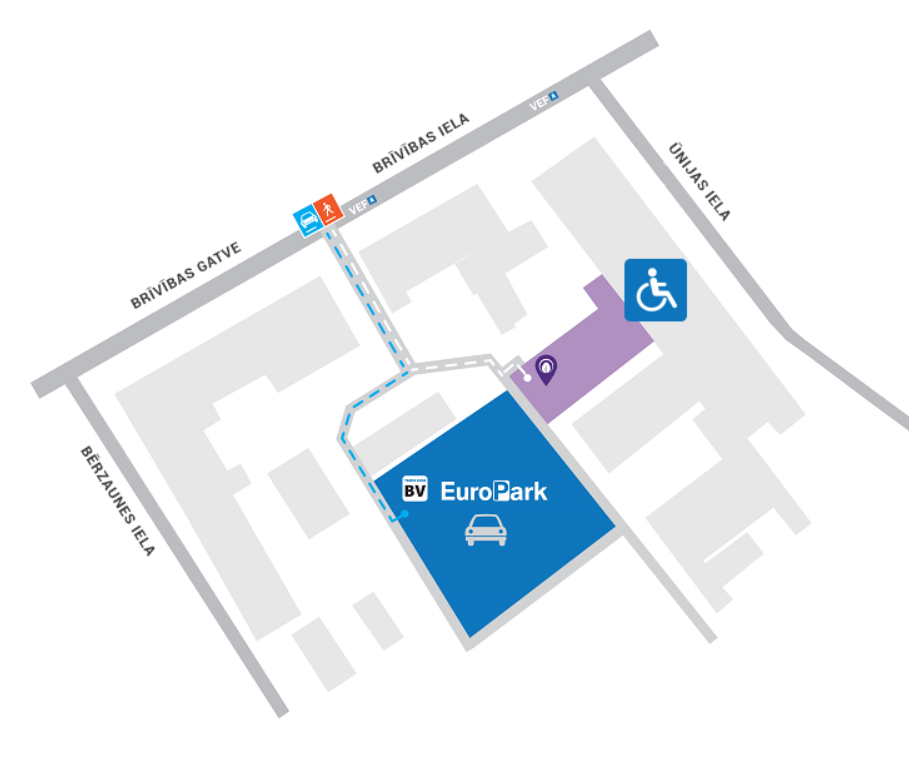
📍 Dr. Bubnovsky Center in Riga
Brīvības gatve 214B, Riga, Latvia
📞 Phone: +371 23 271 732
🌐 Website: www.bubnovsky.lv
Our specialists are ready to help identify the cause of your headaches and guide you toward effective recovery, better health, and improved quality of life.
Headaches are one of the most common conditions experienced by people of all ages. They may be sharp, throbbing, pressing, or bursting in nature, occurring occasionally or becoming chronic.
Pain may be localized:
- in the forehead;
- in the temples;
- in the back of the head;
- in the crown area;
- throughout the entire head.
The causes of headaches vary significantly, making it essential to identify the underlying source of the problem in order to choose the most effective treatment.
Types of Headaches
Depending on the underlying cause, several major types of headaches can be distinguished.
Headaches Associated with Blood Pressure Fluctuations
This type of headache is usually highly intense and may be accompanied by:
- nausea;
- dizziness;
- sensitivity to bright light;
- a feeling of pressure or fullness in the head.
It often occurs during episodes of high blood pressure or sudden fluctuations in blood pressure.
Tension Headaches
Tension headaches are among the most common forms of headache.
They are characterized by:
- recurrent symptoms;
- duration ranging from several hours to several days;
- a sensation of tightness or pressure around the head;
- pain located in the neck, occipital, frontal, or parietal regions.
This type of headache most commonly develops in people who spend long periods in static positions and experience constant tension in the neck, shoulder, and upper back muscles.
People at increased risk include:
- drivers;
- office workers;
- dentists;
- laboratory technicians;
- university students;
- school students.
Cluster Headaches
Cluster headaches are considered one of the most severe forms of headache pain.
Typical characteristics include:
- sharp, pulsating pain;
- prolonged attacks;
- pain around the eye or forehead;
- usually affecting only one side of the head.
Cluster headaches are most common in middle-aged men.
Migraine
Migraine is characterized by severe throbbing pain, usually affecting one side of the head.
Common symptoms include:
- attacks lasting from several hours to several days;
- weakness;
- nausea;
- sensitivity to bright light;
- intolerance to loud sounds.
Migraines most frequently affect women between the ages of 25 and 35.
Other Causes of Headaches
Headaches may not always be related to vascular or muscular disorders.
Other possible causes include:
- head and neck injuries;
- infectious diseases;
- inflammatory conditions;
- tumors;
- neurological disorders.
For this reason, individuals who experience frequent or severe headaches should undergo a comprehensive medical evaluation.
Why Painkillers Alone Are Not Enough
Many people become accustomed to headaches and regularly take pain medications without attempting to determine the underlying cause.
However, pain is a protective signal from the body indicating that something is wrong.
Painkillers and muscle relaxants:
- reduce pain perception;
- temporarily improve well-being;
- do not eliminate the root cause of the problem.
As a result, the underlying condition may continue to progress.
The Role of Neck Muscles in Headaches
One of the common causes of chronic headaches is impaired blood flow to the brain associated with dysfunction of the neck and shoulder muscles.
When muscles remain tense for long periods:
- microcirculation deteriorates;
- deep neck muscles become spasmodic;
- oxygen delivery to tissues decreases;
- venous blood flow is impaired.
These changes can contribute to headaches of varying intensity.
This problem is especially common among people with sedentary lifestyles and those who spend many hours working at a computer.
Kinesitherapy for Headaches
Headaches associated with:
- muscle tension;
- circulatory disorders;
- hypertension-related symptoms;
- dysfunction of the autonomic nervous system
may respond well to kinesitherapy based on the Bubnovsky Method.
The primary goal of treatment is to eliminate the cause of the headache rather than simply masking its symptoms.
Diagnostic Evaluation
Before treatment begins, a kinesitherapist performs a comprehensive examination that includes:
- myofascial assessment;
- evaluation of the neck and shoulder muscles;
- functional testing;
- review of existing diagnostic studies.
Patients are encouraged to provide results of:
- Magnetic Resonance Imaging (MRI);
- Computed Tomography (CT);
- Electroencephalography (EEG), if available.
Based on the findings, an individualized rehabilitation program is developed.
How Therapeutic Exercises Work
Properly selected exercises help:
- activate deep neck muscles;
- improve blood supply to the brain;
- normalize microcirculation;
- increase oxygen delivery to tissues;
- reduce muscle spasms;
- decrease headache intensity.
This creates favorable conditions for the body's natural recovery processes.
Training on the Bubnovsky Multifunctional Machine
Most rehabilitation sessions are conducted using the Bubnovsky Multifunctional Training Machine (MTB).
Its design allows patients to:
- perform movements without spinal compression;
- safely activate muscles;
- receive individually adjusted levels of resistance;
- avoid excessive stress on joints and the spine.
The exercises are performed by overcoming a counterweight system, making the sessions both safe and comfortable.
Additional Recovery Methods
Joint Floor Exercises
This exercise program is performed on a mat and is designed to:
- improve mobility;
- increase flexibility;
- strengthen the muscular support system.
Sauna Therapy
Sauna therapy may help:
- improve circulation;
- relax muscles;
- accelerate recovery processes.
Cold Water Therapy and Cryotherapy
These methods help:
- train blood vessels;
- reduce muscle tension;
- improve the body's adaptive capabilities.
Headache Prevention
To reduce the risk of headaches, it is recommended to:
- maintain adequate physical activity;
- regularly perform exercises for the neck and shoulders;
- monitor blood pressure;
- maintain a healthy work-life balance;
- avoid staying in the same position for prolonged periods;
- organize an ergonomic workspace;
- get sufficient sleep;
- seek medical attention when concerning symptoms arise.
Conclusion
A headache is not a disease in itself but rather a symptom that may indicate a variety of underlying health issues. Regular use of painkillers addresses only the manifestation of the problem, not its cause.
Comprehensive diagnostics, early identification of risk factors, and a properly designed rehabilitation program can help reduce the frequency and intensity of headaches, improve cerebral blood flow, and significantly enhance quality of life.
Do Not Ignore Headaches — Address the Cause
If headaches are becoming frequent, it is important not to rely solely on pain medications. Identifying the source of the pain and developing an appropriate recovery strategy is essential.
At the Dr. Bubnovsky Center in Riga, we help patients suffering from headaches associated with muscle tension, circulatory disorders, cervical spine problems, and the consequences of a sedentary lifestyle. Following a consultation and myofascial assessment, each patient receives an individualized rehabilitation program.
Our goal is to help reduce pain, improve mobility of the cervical spine, restore healthy circulation, and bring comfort back to everyday life.
Schedule Your Consultation Today
📍 Dr. Bubnovsky Center in Riga
Brīvības gatve 214B, Riga, Latvia
📞 Phone: +371 23 271 732
🌐 Website: www.bubnovsky.lv
Our specialists are ready to help identify the cause of your headaches and guide you toward effective recovery, better health, and improved quality of life.