Gout Prevention
Gout is a metabolic disorder that may have a hereditary predisposition. The condition develops when uric acid salts accumulate in the body and form crystals within joints and surrounding tissues.
The first gout attack often occurs suddenly, frequently during the night, and many people may not realize that the disease has been developing.
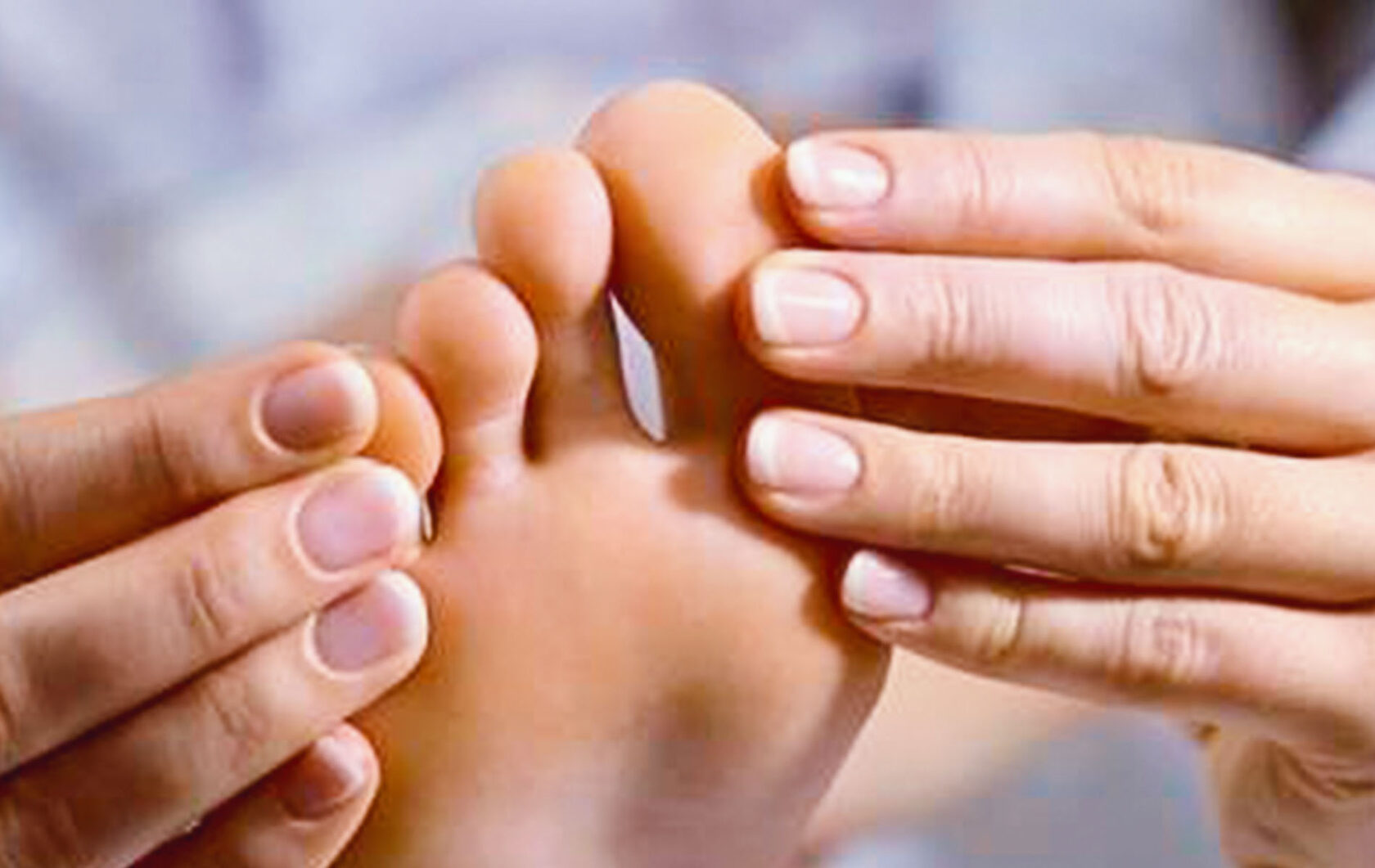
One of the earliest signs is pain in the joint of the big toe. If symptoms such as sudden joint pain appear, it is important to consult a healthcare professional and begin appropriate treatment as early as possible.
The symptoms of gout can resemble those of osteoarthritis or rheumatic diseases, although the underlying causes are entirely different.
Gout most commonly develops in adulthood and is often associated with:
Preventing Gout
The main goals of gout prevention include:
A specially designed exercise program can play an important role in prevention.
If gout has already been diagnosed, exercises should only be performed after consultation with a physician. Physical activity is generally not recommended during acute gout attacks.
Preventive Exercise Program
A preventive exercise program is often structured over a period of approximately three weeks.
Week One
The focus is on:
Weeks Two and Three
The focus shifts toward:
Dietary Recommendations
Nutrition plays a crucial role in preventing gout.
Recommended dietary measures include:
Adequate hydration helps the body eliminate excess uric acid more effectively.
Physical Activity and Gout Prevention
Regular moderate exercise helps:
Breathing exercises may also help reduce tension and improve overall well-being.
Special attention should be given to the joints of the fingers and toes, as these are among the most commonly affected areas in gout.
Exercises for Fingers and Hands
Recommended exercises include:
All movements should be performed gently and without significant pain.
Exercises for the Elbow Joints
Helpful exercises include:
Exercises for Feet and Toes
Recommended activities include:
Exercises for the Knee Joints
Beneficial exercises include:
All exercises should be performed smoothly, without sudden movements or excessive strain.
Gout Prevention at the Dr. Bubnovsky Center in Riga
The specialists at the Dr. Bubnovsky Center help patients improve joint mobility, strengthen muscles, and support healthy metabolic function through modern physiotherapy and kinesitherapy methods.
Book your initial consultation at bubnovsky.lv or call +371 23271732.
When purchasing a package of 12 rehabilitation sessions, you will receive a free initial consultation as well as two follow-up consultations with your physician after the 6th and 11th sessions to assess progress and adjust your prevention or rehabilitation program if necessary.
Gout is a metabolic disorder that may have a hereditary predisposition. The condition develops when uric acid salts accumulate in the body and form crystals within joints and surrounding tissues.
The first gout attack often occurs suddenly, frequently during the night, and many people may not realize that the disease has been developing.
One of the earliest signs is pain in the joint of the big toe. If symptoms such as sudden joint pain appear, it is important to consult a healthcare professional and begin appropriate treatment as early as possible.
The symptoms of gout can resemble those of osteoarthritis or rheumatic diseases, although the underlying causes are entirely different.
Gout most commonly develops in adulthood and is often associated with:
- Poor dietary habits
- Excessive alcohol consumption
- Physical inactivity
- Metabolic disorders
Preventing Gout
The main goals of gout prevention include:
- Increasing joint mobility to improve metabolic processes and support the elimination of uric acid salts.
- Reducing stress and promoting overall relaxation.
- Improving dietary habits and eliminating alcohol consumption.
A specially designed exercise program can play an important role in prevention.
If gout has already been diagnosed, exercises should only be performed after consultation with a physician. Physical activity is generally not recommended during acute gout attacks.
Preventive Exercise Program
A preventive exercise program is often structured over a period of approximately three weeks.
Week One
The focus is on:
- Improving joint mobility
- Increasing flexibility of the fingers and toes
- Enhancing movement in the hands and feet
Weeks Two and Three
The focus shifts toward:
- Strengthening muscles
- Strengthening ligaments
- Improving joint stability
Dietary Recommendations
Nutrition plays a crucial role in preventing gout.
Recommended dietary measures include:
- Eating more fresh fruits and vegetables
- Including dairy products in the diet
- Drinking adequate amounts of water
- Limiting salt intake
- Reducing or eliminating red meat consumption
- Limiting animal fats
- Avoiding alcohol completely
Adequate hydration helps the body eliminate excess uric acid more effectively.
Physical Activity and Gout Prevention
Regular moderate exercise helps:
- Improve blood circulation
- Strengthen the cardiovascular system
- Support healthy metabolism
- Reduce the risk of complications
Breathing exercises may also help reduce tension and improve overall well-being.
Special attention should be given to the joints of the fingers and toes, as these are among the most commonly affected areas in gout.
Exercises for Fingers and Hands
Recommended exercises include:
- Wrist movements from side to side
- Opening and closing the fingers
- Finger spreading exercises
- Gradual fist-clenching exercises
- Finger stretching
- Touching each finger with the thumb
- Hand exercises performed in warm water
All movements should be performed gently and without significant pain.
Exercises for the Elbow Joints
Helpful exercises include:
- Gentle forward and backward arm movements
- Wrist rotations with bent elbows
- Light forearm mobility exercises
Exercises for Feet and Toes
Recommended activities include:
- Ankle rotations
- Toe flexion and extension exercises
- Toe stretching
- Foot massage
- Ankle mobility exercises
Exercises for the Knee Joints
Beneficial exercises include:
- The bicycle exercise
- Alternating leg extensions
- Gentle leg stretching exercises
All exercises should be performed smoothly, without sudden movements or excessive strain.
Gout Prevention at the Dr. Bubnovsky Center in Riga
The specialists at the Dr. Bubnovsky Center help patients improve joint mobility, strengthen muscles, and support healthy metabolic function through modern physiotherapy and kinesitherapy methods.
Book your initial consultation at bubnovsky.lv or call +371 23271732.
When purchasing a package of 12 rehabilitation sessions, you will receive a free initial consultation as well as two follow-up consultations with your physician after the 6th and 11th sessions to assess progress and adjust your prevention or rehabilitation program if necessary.