Elbow Pain: Causes and Treatment Methods
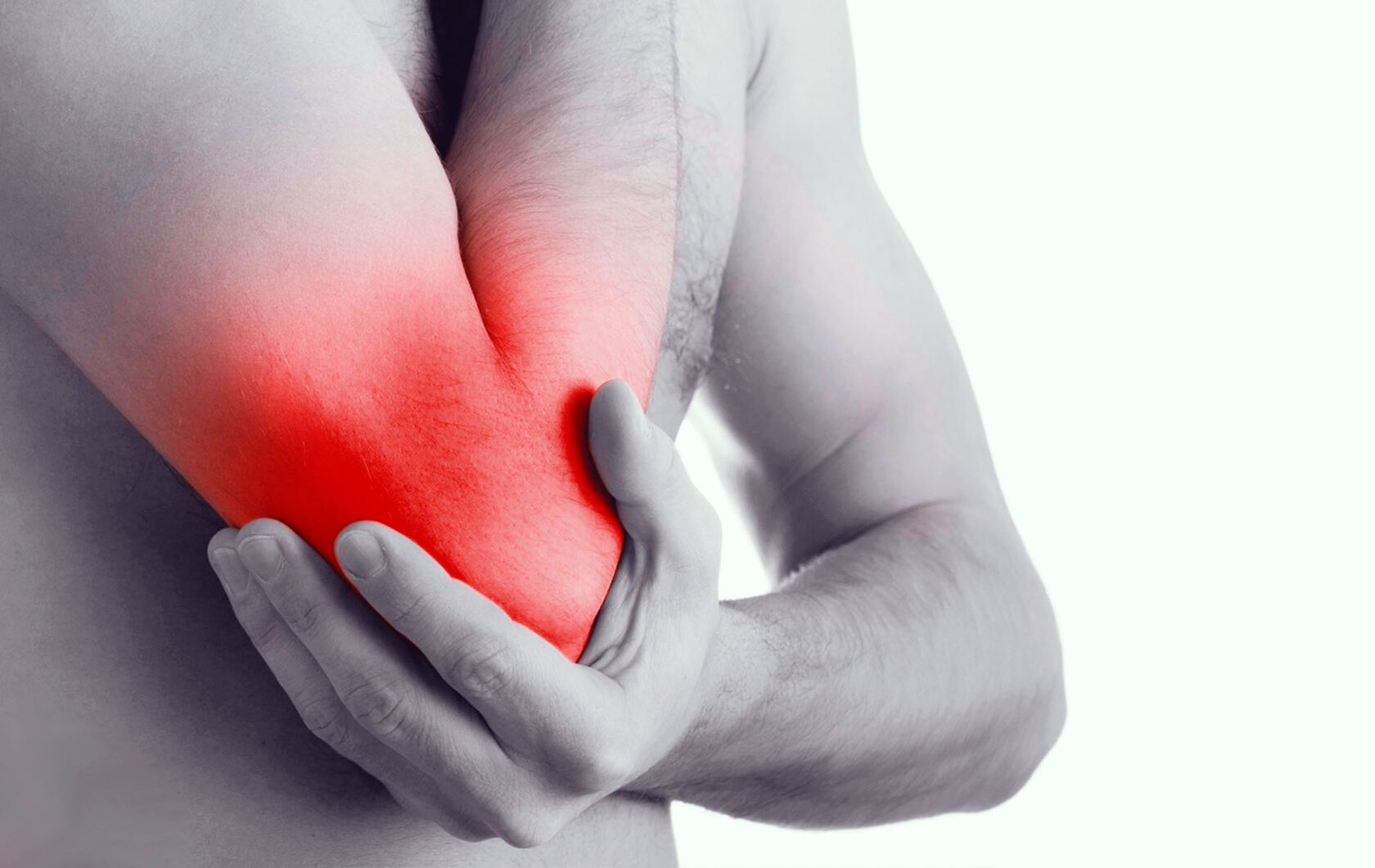
Elbow pain is a common problem that can occur at any age. The high frequency of elbow-related complaints is largely due to the complex structure of the joint and the constant demands placed on the upper limbs during daily activities.
The elbow joint is involved in almost every movement of the arm — whether lifting objects, working, exercising, or simply leaning on the hand. As a result, any disruption in elbow function can significantly affect quality of life.
Anatomy of the Elbow Joint
The elbow is a complex joint formed by the connection of three bones:
These bones are enclosed within a shared joint capsule and function together as a single mechanism that allows bending, straightening, and rotational movements of the forearm.
Because of this complex anatomy, even minor damage to joint structures can lead to significant pain and restricted movement.
Common Causes of Elbow Pain
Elbow pain may result from a wide range of conditions, from minor injuries to chronic joint disorders.
Injuries
Some of the most common causes include:
After an injury, patients may experience:
In cases of ligament tears, even small movements can trigger severe pain.
Medical Conditions That Cause Elbow Pain
Pain in the elbow may also be associated with various musculoskeletal disorders, including:
Elbow Arthritis
People with elbow arthritis often report:
Inflammation may affect not only the elbow but also:
Arthritis is most commonly diagnosed in adults over the age of 65.
Risk Factors for Arthritis
Several factors increase the likelihood of developing arthritis:
Without timely treatment, arthritis can lead to significant joint dysfunction and disability.
Epicondylitis: The Most Common Cause of Elbow Pain
One of the most frequent causes of elbow pain is epicondylitis.
Symptoms typically occur:
The condition most often affects the tendons and muscles attached to the outer part of the humerus.
Over time, epicondylitis may contribute to:
Tennis Elbow
Lateral epicondylitis is commonly known as "tennis elbow."
However, the condition is not limited to athletes.
High-risk groups include:
Common symptoms include:
Without treatment, symptoms often become progressively worse.
Pain During Elbow Flexion and Extension
Pain when bending or straightening the elbow is particularly common among people who repeatedly perform similar arm movements, such as:
Symptoms usually develop gradually and become more pronounced over time.
Why the Right Elbow Is More Commonly Affected
For most people, the right arm is dominant and therefore experiences greater physical stress.
Studies show that approximately 65–70% of overuse-related elbow injuries and cases of epicondylitis affect the right elbow.
Among left-handed individuals, similar problems are more commonly observed on the left side.
Diagnosis
Successful treatment begins with identifying the exact cause of pain.
Clinical Examination
A specialist evaluates:
X-Ray Examination
X-rays can help identify:
Magnetic Resonance Imaging (MRI)
MRI is useful for assessing:
Treatment of Elbow Pain
Treatment depends on the underlying cause of the condition.
Acute Injuries
Patients should consult a trauma specialist.
Additional investigations may include:
Chronic Elbow Pain
For long-term symptoms, consultation with a kinesitherapy physician or orthopedic specialist is recommended.
Following assessment, an individualized treatment plan is developed.
Conservative Treatment
In most cases, non-surgical treatment is recommended and may include:
The primary goals are to:
Kinesitherapy According to the Bubnovsky Method
At the Bubnovsky Centers, treatment is based on the principles of kinesitherapy — restoring joint function through properly selected physical exercises.
Before treatment begins, patients undergo:
Based on these findings, an individualized rehabilitation program is created.
Main Goals of Kinesitherapy
Regular training sessions help reduce pain, improve arm function, and lower the risk of complications.
Preventing Elbow Pain
To maintain healthy elbow joints, it is recommended to:
The earlier the cause of pain is identified and treated, the greater the likelihood of fully restoring elbow function and maintaining an active lifestyle.
Elbow Rehabilitation at the Bubnovsky Center in Riga
The Bubnovsky Center in Riga provides individualized rehabilitation programs for patients with elbow pain, sports injuries, tendon disorders, and chronic joint conditions.
Through comprehensive assessment and movement-based therapy, specialists help patients restore mobility, reduce pain, strengthen supporting muscles, and return to their normal daily activities safely and effectively.
Elbow pain is a common problem that can occur at any age. The high frequency of elbow-related complaints is largely due to the complex structure of the joint and the constant demands placed on the upper limbs during daily activities.
The elbow joint is involved in almost every movement of the arm — whether lifting objects, working, exercising, or simply leaning on the hand. As a result, any disruption in elbow function can significantly affect quality of life.
Anatomy of the Elbow Joint
The elbow is a complex joint formed by the connection of three bones:
- Humerus
- Ulna
- Radius
These bones are enclosed within a shared joint capsule and function together as a single mechanism that allows bending, straightening, and rotational movements of the forearm.
Because of this complex anatomy, even minor damage to joint structures can lead to significant pain and restricted movement.
Common Causes of Elbow Pain
Elbow pain may result from a wide range of conditions, from minor injuries to chronic joint disorders.
Injuries
Some of the most common causes include:
- Bruises and contusions
- Ligament sprains
- Sports injuries
- Joint overuse
- Heavy lifting
After an injury, patients may experience:
- Pain
- Swelling
- Limited range of motion
- Joint stiffness
In cases of ligament tears, even small movements can trigger severe pain.
Medical Conditions That Cause Elbow Pain
Pain in the elbow may also be associated with various musculoskeletal disorders, including:
- Bursitis
- Synovial chondromatosis
- Tendonitis
- Epicondylitis
- Osteoarthritis
- Chondrocalcinosis
- Rheumatoid arthritis
- Gout
- Post-traumatic joint complications
- Improper bone healing after fractures
Elbow Arthritis
People with elbow arthritis often report:
- Persistent aching pain
- Morning stiffness
- Increased symptoms during cold weather or weather changes
Inflammation may affect not only the elbow but also:
- The hands
- The wrists
- Other joints of the upper extremities
Arthritis is most commonly diagnosed in adults over the age of 65.
Risk Factors for Arthritis
Several factors increase the likelihood of developing arthritis:
- Metabolic disorders
- Vitamin and mineral deficiencies
- Diabetes mellitus
- Allergic diseases
- Gout
- Gastrointestinal disorders
- Certain oncological conditions
Without timely treatment, arthritis can lead to significant joint dysfunction and disability.
Epicondylitis: The Most Common Cause of Elbow Pain
One of the most frequent causes of elbow pain is epicondylitis.
Symptoms typically occur:
- During physical activity
- While rotating the forearm
- When lifting objects
- During sports participation
The condition most often affects the tendons and muscles attached to the outer part of the humerus.
Over time, epicondylitis may contribute to:
- Tendon inflammation
- Periostitis
- Bursitis
Tennis Elbow
Lateral epicondylitis is commonly known as "tennis elbow."
However, the condition is not limited to athletes.
High-risk groups include:
- Men between 30 and 50 years of age
- Manual laborers
- Workers performing repetitive arm movements
- Amateur and professional athletes
Common symptoms include:
- Pain on the outer side of the elbow
- Burning sensations
- Reduced grip strength
- Restricted movement
Without treatment, symptoms often become progressively worse.
Pain During Elbow Flexion and Extension
Pain when bending or straightening the elbow is particularly common among people who repeatedly perform similar arm movements, such as:
- Computer users
- Massage therapists
- Tennis and golf players
- Individuals performing repetitive manual tasks
Symptoms usually develop gradually and become more pronounced over time.
Why the Right Elbow Is More Commonly Affected
For most people, the right arm is dominant and therefore experiences greater physical stress.
Studies show that approximately 65–70% of overuse-related elbow injuries and cases of epicondylitis affect the right elbow.
Among left-handed individuals, similar problems are more commonly observed on the left side.
Diagnosis
Successful treatment begins with identifying the exact cause of pain.
Clinical Examination
A specialist evaluates:
- Range of motion
- Pain location
- Muscle and ligament condition
- Presence of swelling or deformity
X-Ray Examination
X-rays can help identify:
- Fractures
- Osteoarthritis
- Joint deformities
- Post-traumatic changes
Magnetic Resonance Imaging (MRI)
MRI is useful for assessing:
- Ligaments
- Tendons
- Cartilage
- Joint capsule structures
Treatment of Elbow Pain
Treatment depends on the underlying cause of the condition.
Acute Injuries
Patients should consult a trauma specialist.
Additional investigations may include:
- X-rays
- MRI scans
- Other diagnostic procedures
Chronic Elbow Pain
For long-term symptoms, consultation with a kinesitherapy physician or orthopedic specialist is recommended.
Following assessment, an individualized treatment plan is developed.
Conservative Treatment
In most cases, non-surgical treatment is recommended and may include:
- Anti-inflammatory medications
- Pain-relieving therapies
- Physiotherapy
- Therapeutic exercise
- Rehabilitation procedures
The primary goals are to:
- Reduce pain
- Slow disease progression
- Preserve joint function
- Avoid surgery whenever possible
Kinesitherapy According to the Bubnovsky Method
At the Bubnovsky Centers, treatment is based on the principles of kinesitherapy — restoring joint function through properly selected physical exercises.
Before treatment begins, patients undergo:
- Myofascial assessment
- Functional testing
- Review of imaging and diagnostic results
Based on these findings, an individualized rehabilitation program is created.
Main Goals of Kinesitherapy
- Correcting muscle imbalances
- Improving blood circulation
- Restoring joint mobility
- Strengthening muscles and ligaments
- Preventing further tissue damage
Regular training sessions help reduce pain, improve arm function, and lower the risk of complications.
Preventing Elbow Pain
To maintain healthy elbow joints, it is recommended to:
- Avoid excessive strain
- Warm up before exercise
- Strengthen the arm muscles
- Take breaks during repetitive work
- Treat injuries promptly
- Maintain regular physical activity
The earlier the cause of pain is identified and treated, the greater the likelihood of fully restoring elbow function and maintaining an active lifestyle.
Elbow Rehabilitation at the Bubnovsky Center in Riga
The Bubnovsky Center in Riga provides individualized rehabilitation programs for patients with elbow pain, sports injuries, tendon disorders, and chronic joint conditions.
Through comprehensive assessment and movement-based therapy, specialists help patients restore mobility, reduce pain, strengthen supporting muscles, and return to their normal daily activities safely and effectively.