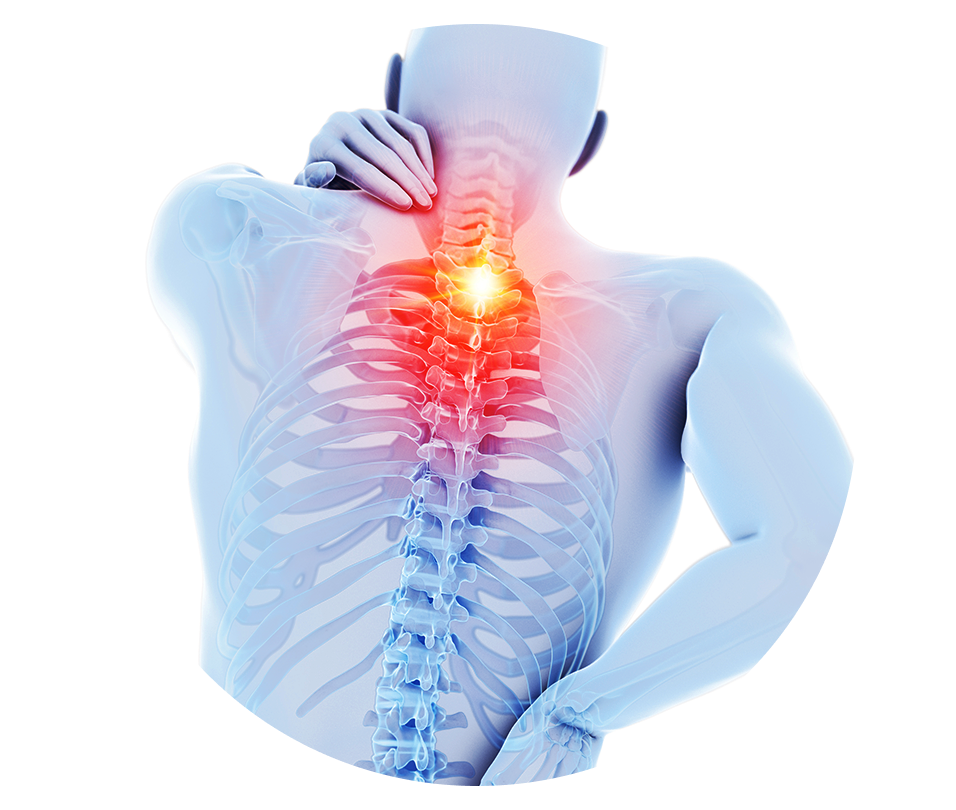
Thoracic Spine Osteochondrosis Treatment Program Using the Bubnovsky Method
Restore Mobility, Reduce Pain, and Prevent Complications Without Surgery
Treatment of thoracic osteochondrosis in Riga: a three-module rehabilitation program at the Bubnovsky Center. The program focuses on pain relief, restoration of spinal mobility, and prevention of complications using modern rehabilitation methods.
Thoracic Spine Osteochondrosis Treatment Program
How Thoracic Osteochondrosis Is Treated at the Bubnovsky Center
Thoracic osteochondrosis is a degenerative-dystrophic condition of the spine in which changes occur in the intervertebral discs, joints, and ligament structures.
Compared to cervical and lumbar osteochondrosis, the thoracic region is affected less frequently due to its lower mobility. However, symptoms can be equally severe:
- pain between the shoulder blades
- stiffness
- difficulty breathing
- intercostal neuralgia
- dysfunction of internal organs
Degenerative-Dystrophic Spinal Disease
This is a chronic condition in which spinal structures gradually deteriorate due to:
- impaired metabolism
- reduced blood circulation
- excessive mechanical load
Key processes:
Degeneration – gradual wear and destruction of spinal tissues (discs, cartilage, vertebrae)
Dystrophy – impaired nutrition of tissues leading to weakening and loss of function
Consequences:
- reduced disc height and elasticity
- formation of osteophytes
- weakening of muscles and ligaments
- chronic pain and neurological symptoms
Main Causes of Thoracic Osteochondrosis
- sedentary lifestyle
- poor posture
- spinal injuries
- age-related changes
- muscle imbalance
Why Kinesitherapy and the Bubnovsky Method Are Effective
At the Bubnovsky Center, we use kinesitherapy—treatment through movement.
Bubnovsky Method:
- eliminates pain without medication
- restores disc nutrition
- strengthens muscles
Dikul Method Principles:
- gradual load progression
- individualized approach
- restoration of neuromuscular connection
Osteochondrosis as a General Term
Behind this diagnosis may be hidden:
- disc protrusion
- intervertebral hernia
- spondylosis
- spondyloarthrosis
- spondylolisthesis
- fibrotic degeneration
- spinal canal stenosis
- osteoporosis
- myofascial pain syndrome
- facet joint dysfunction
👉 Important:
“Osteochondrosis” is a collective term, not a precise diagnosis.
Why Precise Diagnosis Matters
Each condition requires a different treatment approach.
At the Bubnovsky Center, we perform detailed diagnostics and select an individualized program for each patient.
How the Thoracic Spine Affects Internal Organs
The thoracic spine is closely connected to organ systems:
- T1–T4 → heart and lungs
- T5–T9 → gastrointestinal tract
- T10–T12 → kidneys and intestines
Even slight vertebral dysfunction may cause:
- chronic pain
- organ dysfunction
- reduced effectiveness of medication
Treatment Program Structure
Module 1: Decompression and Pain Relief
Goals:
- reduce nerve compression
- relieve muscle spasms
- restore mobility
Methods:
- decompression hanging exercises
- myofascial release
- breathing techniques
- spinal traction
Monitoring:
- pain assessment
- mobility testing
- muscle evaluation
Module 2: Muscle Balance Restoration
Goals:
- strengthen deep stabilizing muscles
- correct muscular imbalance
Methods:
- asymmetrical resistance exercises
- stabilization training
- breathing exercises
- kinesiotaping
Monitoring:
- electromyography
- posture analysis
- breathing control
Module 3: Stabilization and Prevention
Goals:
- consolidate results
- prevent recurrence
Methods:
- functional movement training
- biofeedback systems
- complex rehabilitation exercises
Results:
- pain reduction
- improved mobility
- stable spinal function
Training Features
- individualized programs
- small group sessions
- modern rehabilitation technologies
- continuous progress monitoring
Get Rid of Back Pain
The three-stage program at the Bubnovsky Center targets the root cause of thoracic osteochondrosis—not just symptoms.
Why the Method Works
- physiological approach
- comprehensive system-based treatment
- measurable results
Treatment Structure
- Module 1 → pain reduction
- Module 2 → recovery
- Module 3 → stabilization
Why Choose Us
- individualized approach
- modern equipment
- experienced specialists
- long-term results
Don’t Delay Treatment
The earlier you start, the faster and more effective the recovery process will be.