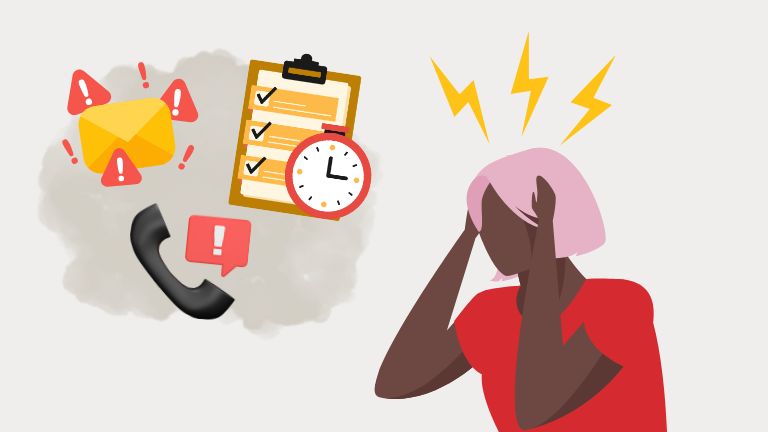
Treatment of Chronic Fatigue and Stress
In our center in Riga, we use kinesitherapy and functional rehabilitation methods based on the approach of the Dr. Bubnovsky Center.
A comprehensive strategy helps eliminate not only symptoms but also the root causes of the condition: pelvic imbalance, muscle dysfunction, spasms, postural disorders, and breathing dysfunction.
Individual programs on functional training equipment with biofeedback help restore energy, performance, and overall quality of life.
Treatment of Chronic Fatigue and Stress at the Dr. Bubnovsky Center (Riga)
Why stress and fatigue lead to health problems
Chronic fatigue is a condition where tiredness does not go away after rest and is accompanied by reduced concentration, body pain, and sleep disturbances.
Main causes:
- Chronic stress and nervous system overload
- Sedentary lifestyle
- Muscle spasms and postural disorders
- Long-term static load
Over time, the body loses its ability to compensate for tension, and stable functional disorders develop.
The connection between stress and physical condition
Stress affects the body through muscular and neurohormonal mechanisms:
- diaphragm spasm → shallow breathing
- pelvic imbalance → spinal overload
- cervical blocks → headaches and migraines
A self-reinforcing cycle develops:
stress → spasm → pain → even more stress
Stages of chronic fatigue development
Mild stage
- reduced energy
- quick fatigue
Moderate stage
- headaches
- muscle tension
- sleep disturbances
Severe (chronic) stage
- constant fatigue
- reduced performance
- postural disorders and body pain
Main mechanisms of development
- hormonal imbalance (cortisol dysregulation)
- muscle spasms in the neck and diaphragm
- pelvic tilt and biomechanical dysfunction
Protect Your Health
Do not ignore early symptoms.
Chronic fatigue always has a physical basis that requires a comprehensive approach.
Patient Story: How We Restored Energy and Body Function
“I felt like I was living in a fog…”
Female patient, 45 years old. Complaints: chronic fatigue, migraines, intestinal spasms, neck and back pain.
Condition at presentation:
- pronounced muscle asymmetry
- pelvic tilt
- limited neck mobility
- constant fatigue even after sleep
Comprehensive diagnostics revealed:
- muscle imbalance (overload of the neck and weak gluteal muscles)
- shallow breathing (diaphragm not functioning fully)
- impaired pelvic and spinal biomechanics
Recovery strategy
Stage 1 — tension release (6 weeks)
- spinal decompression
- diaphragm work
- muscle spasm relief
Stage 2 — balance restoration (8 weeks)
- strengthening gluteal and deep stabilizing muscles
- pelvic correction
- cervical spine rehabilitation
Stage 3 — stabilization (6 weeks)
- functional training
- motor pattern reinforcement
- relapse prevention
Results
- reduction of chronic fatigue
- improved sleep quality
- restored mobility
- improved overall well-being
Why rest alone does not help chronic fatigue
Passive rest does not eliminate:
- muscle blocks
- pelvic misalignment
- breathing dysfunction
Without movement, the body remains in a state of chronic tension.
Restore your energy and health
At the Dr. Bubnovsky Center in Riga, we work with the cause of the condition, not only the symptoms.
Individual programs help restore:
- energy
- sleep
- performance
- quality of life
Book your consultation
Don’t wait until fatigue becomes chronic and affects your health and performance.